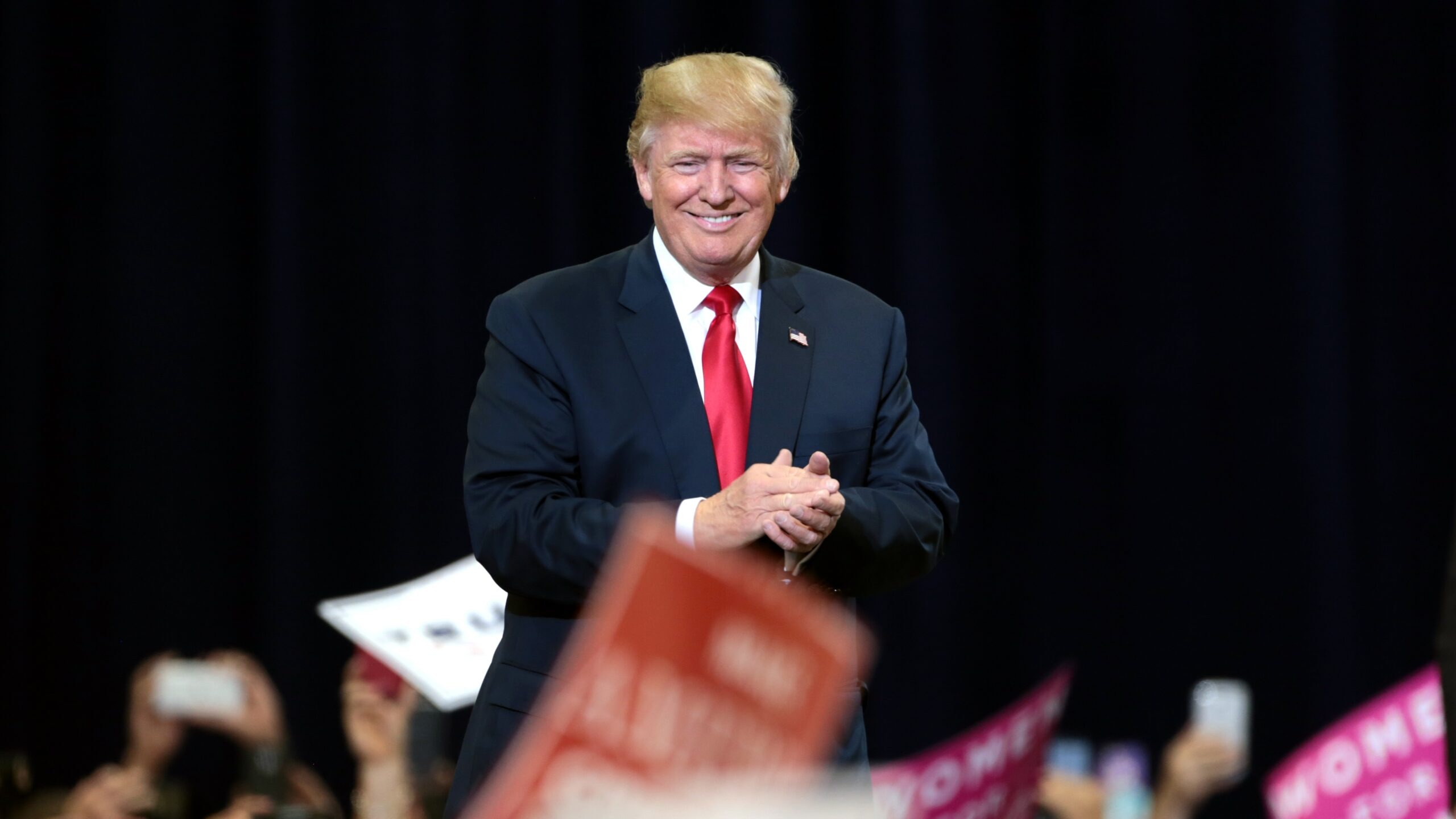
President Donald Trump blew up what remained of U.S.-Iran ceasefire talks in early May 2026, posting on Truth Social that Tehran’s latest counter-proposal was “TOTALLY UNACCEPTABLE!” Oil markets reacted within hours. Brent crude, the global benchmark, surged roughly 4% to around $105 a barrel, and the national average price of regular gasoline climbed above $4.52 per gallon, according to AAA, just as millions of Americans began planning summer road trips.
The rejection came as Trump was preparing to fly to China for a separate round of high-stakes diplomacy. The Associated Press reported that ceasefire negotiations had already been stalling for weeks before the public rebuke, with neither side willing to budge on core demands. Trump’s post appeared to close the door on the current round entirely.
Why the Strait of Hormuz is back in focus
Hours before Trump went public, the U.S. Treasury’s Office of Foreign Assets Control released a sanctions advisory that, according to U.S. government summaries, accuses Iran of demanding toll payments from commercial vessels seeking safe passage through the Strait of Hormuz. (The specific OFAC document number and its full contents have not been independently verified for this article; readers should consult the linked advisory directly.) The narrow waterway between Iran and Oman handles roughly 20% of the world’s traded oil, making it the single most important chokepoint in global energy markets.
OFAC warned that shipping companies, insurers, and banks face legal exposure if they comply with Iranian toll demands that conflict with existing U.S. sanctions. In practical terms, the cost and legal complexity of moving crude through the region are rising even without a military confrontation. For oil traders already pricing in the risk of a broader standoff, the advisory was accelerant on an already burning market.
“We are watching a slow-motion supply disruption,” said Tom Kloza, global head of energy analysis at OPIS, in comments reported by the Associated Press. “Every tanker operator is recalculating the cost of transiting Hormuz, and those costs land at the pump within days.”
What drivers are paying right now
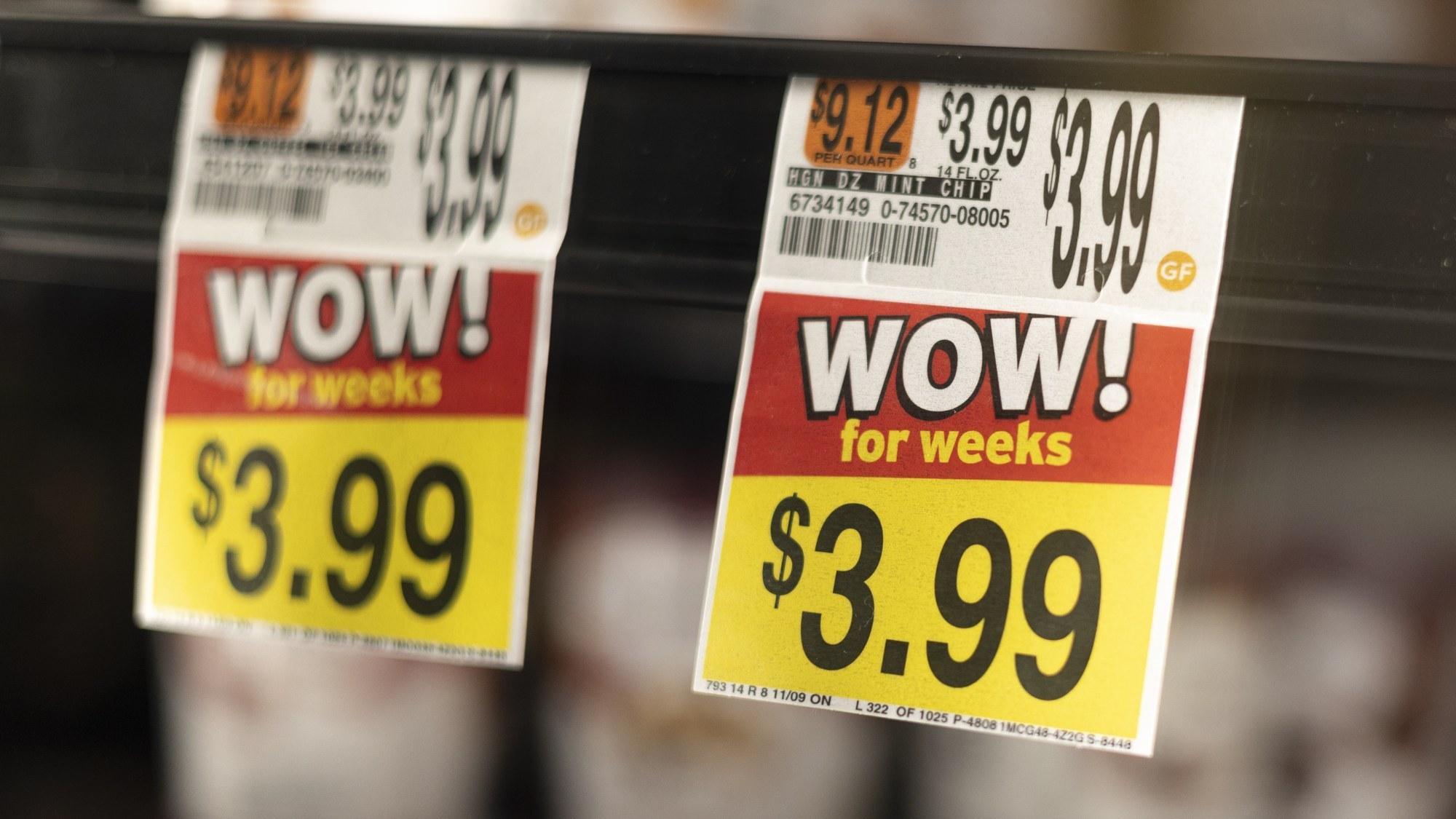
The U.S. Energy Information Administration’s weekly retail survey recorded a national average of $4.452 per gallon for regular gasoline in the week ending May 4. By the following Monday, AAA’s daily tracker showed the average had crossed $4.52. That kind of speed illustrates how quickly wholesale crude volatility reaches the pump: refiners adjust their pricing almost in real time, and station owners follow within a day or two.
The last time Americans paid this much for gas was during the 2022 energy crisis, when prices briefly topped $5 a gallon nationwide after Russia’s invasion of Ukraine. The current spike has not reached that level, but the upward trajectory has economists and consumer advocates on alert. Elevated fuel costs do not stay at the gas station; they ripple into grocery prices, shipping rates, and airfare.
Trump floats a gas tax holiday
Facing growing public frustration, Trump pledged to push Congress to suspend the federal gasoline tax of 18.4 cents per gallon. The savings per fill-up would be modest, roughly $2.50 on a 14-gallon tank, and the trade-off is significant: the gas tax is the primary funding source for the Highway Trust Fund, which finances road and bridge construction nationwide. Suspending it without a replacement revenue stream would force Congress to either cut infrastructure spending or backfill the fund from general revenues.
The idea has a bipartisan history of going nowhere. John McCain and Hillary Clinton both proposed federal gas tax holidays during the 2008 presidential campaign, and several states temporarily suspended their own fuel taxes during the 2022 price surge. In each case, economists questioned whether the savings actually reached consumers or were absorbed by refiners and station owners who kept margins steady.
As of mid-May 2026, no bill had been introduced in either chamber, and no committee chairs had publicly endorsed the proposal. Until legislation moves, the gas tax suspension remains a political gesture, not a policy.
Big gaps in what we actually know
Neither Washington nor Tehran has published the text of Iran’s counter-proposal or the original U.S.-backed ceasefire framework. Without those documents, it is impossible to judge how far apart the two sides really are. Trump’s “totally unacceptable” framing sets a confrontational tone, but the substance behind it remains opaque.
Iran’s own position has been almost entirely filtered through U.S. government summaries and Trump’s public statements. No official Iranian documents, press conferences, or detailed state media accounts have surfaced in Western reporting, which means assessments of Tehran’s red lines rely heavily on one-sided sourcing. That does not make the U.S. descriptions inaccurate, but it limits the ability to identify potential off-ramps or compromises that might be in play behind closed doors.
The $105-per-barrel figure widely cited in markets is consistent with the direction traders would move given heightened Hormuz risk, but it likely reflects the Brent crude front-month contract rather than West Texas Intermediate, the U.S. domestic benchmark. Readers should treat it as approximate until settlement data is confirmed.
What could push prices higher or pull them back through June 2026
Geopolitical shocks in the Persian Gulf have a long history of landing directly in American wallets, and this episode is following the familiar pattern: diplomatic breakdown, market spike, pump-price surge. The open question is how long it lasts.
If ceasefire talks resume and produce even a partial agreement, oil markets could cool quickly. Brent crude dropped more than $10 a barrel in a single week after the 2019 Saudi Aramco drone attacks once it became clear that production would be restored faster than expected. A credible diplomatic signal could trigger a similar reversal.
If the standoff deepens, or if Iran follows through on restricting Hormuz traffic, prices could climb further. OPEC+ production decisions will matter enormously: Saudi Arabia and the UAE hold the most significant spare capacity, and any signal that they are willing to increase output would help cap prices. The status of the U.S. Strategic Petroleum Reserve, already drawn down significantly since 2022, limits the White House’s ability to intervene directly in supply.
The most reliable tracking tools remain the EIA’s weekly price surveys, AAA’s daily gas price tracker, and OFAC advisories on sanctions enforcement. Those will tell the story as it unfolds, week by week, gallon by gallon.