Americans checking their brokerage accounts on Monday, May 19, saw the S&P 500 close at an all-time high of 7,412.84, according to market data from S&P Global. Americans filling their gas tanks saw something very different: a national average of $4.52 per gallon, the highest pump price since fuel briefly topped $5 in the summer of 2022. The two numbers tell the story of an economy being pulled in opposite directions by the same force: the collapse of U.S.-Iran ceasefire negotiations and the continued disruption of tanker traffic through the Strait of Hormuz, the narrow waterway that normally carries roughly 20 percent of the world’s traded oil.
A record close with an asterisk
The S&P 500’s new high extended a rally that has shrugged off months of geopolitical turbulence. Equity investors appear to be betting that corporate earnings can absorb higher energy costs, at least for now. But the rally sits on top of a fuel market flashing red.
The U.S. Energy Information Administration’s most recent weekly survey showed regular gasoline averaging $4.452 nationally, and AAA’s daily tracker has since ticked above $4.50. For context, the all-time record was $5.016 on June 14, 2022. The current price is not there yet, but the trajectory has drivers, trucking companies, and economists watching closely.
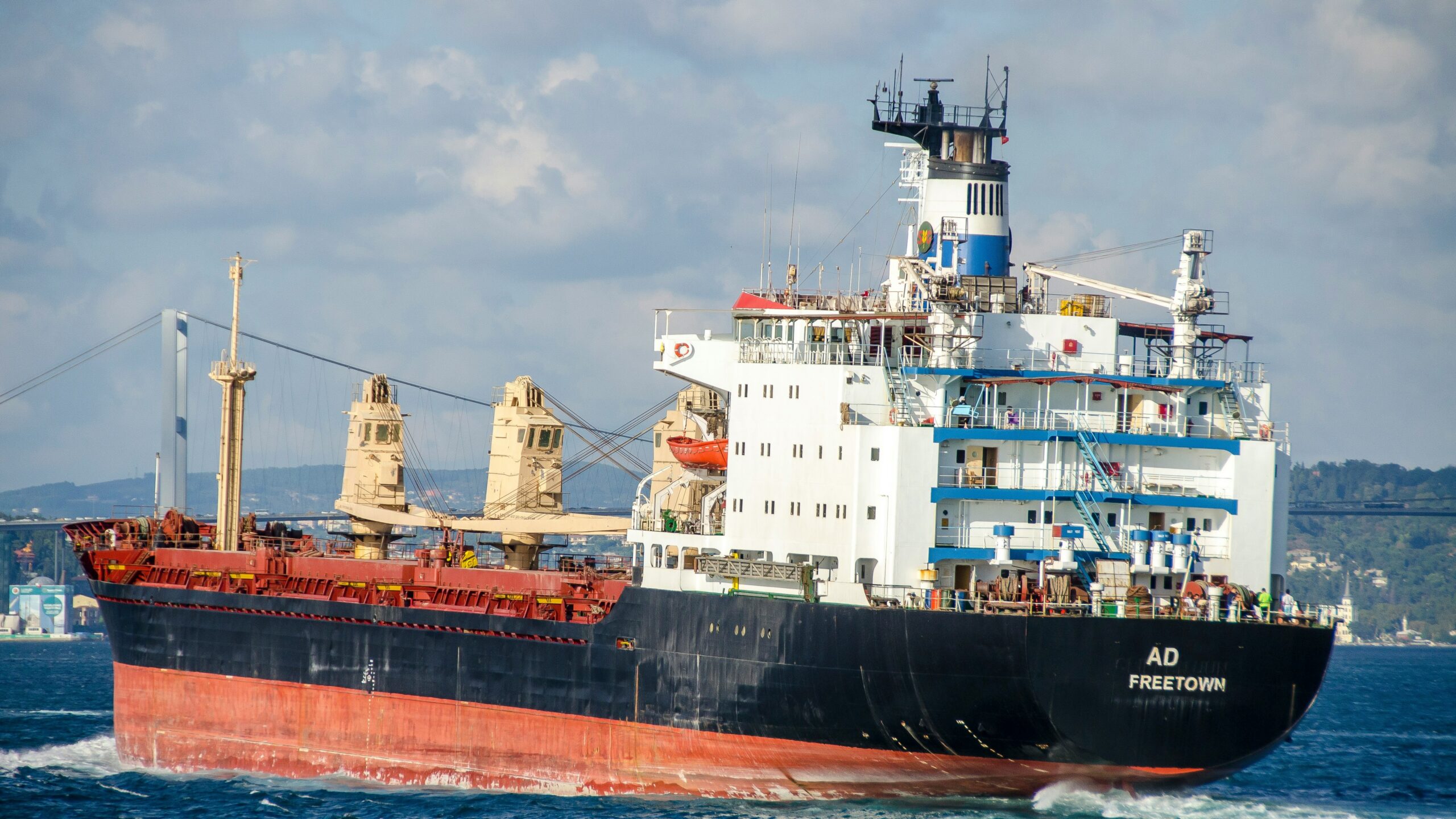
Oil benchmarks have climbed in tandem. Brent crude futures traded above $105 a barrel during Monday’s session on the Intercontinental Exchange, while West Texas Intermediate tracked a similar range. Both benchmarks have gained sharply since tanker traffic through the Strait of Hormuz was effectively halted in late April, tightening the global supply of seaborne crude and sending shipping insurance premiums higher.
How the ceasefire fell apart
The diplomatic unraveling followed a pattern that has become grimly familiar: a brief pause, a flurry of proposals, and a public breakdown.
In early April, European leaders issued a joint statement documenting a two-week truce between Washington and Tehran and urging both sides to use the window for substantive negotiations. That window closed without a deal. Iran subsequently delivered a formal counterproposal through Pakistani intermediaries. President Trump rejected it publicly. The Associated Press reported that he dismissed Tehran’s terms as unacceptable. In more recent remarks, Trump described the broader effort to halt hostilities as being “on life support,” a characterization that has dampened expectations for any near-term breakthrough.
One gap worth noting: Iran’s own detailed account of its proposal has not surfaced in any primary English-language document. Western reporting relies almost entirely on descriptions from the U.S. side, which makes it difficult to assess whether Tehran viewed its offer as a genuine concession, an opening bid, or a calculated move to shift blame if talks collapsed entirely. That asymmetry matters, because it shapes how each side frames the failure and whether a path back to the table exists.
Why gas prices moved so fast
The mechanics are straightforward. The Strait of Hormuz is a 21-mile-wide chokepoint between Iran and Oman. When tanker traffic through it is disrupted, global crude supplies tighten almost immediately, and refiners pay more for every barrel they process. Those higher input costs reach retail gas stations within days, not weeks. Drivers feel it before diplomats fix it.
The current national average above $4.50 suggests that much of the initial supply shock has already been priced in at the pump. But further spikes remain possible if the closure persists, if insurance costs for tankers in the Persian Gulf continue to climb, or if traders begin pricing in a disruption that lasts through the summer driving season.
Two factors limit the available cushion. OPEC+ has not announced any emergency production increase to offset the lost Hormuz volumes. And the U.S. Strategic Petroleum Reserve, which the government drew down heavily in 2022 to combat that year’s price spike, remains at its lowest levels in decades, according to EIA inventory data. The Trump administration has been working to rebuild those reserves rather than tap them, a strategy that makes political sense when prices are stable but becomes harder to defend when voters are paying $4.52 a gallon.
The gas tax holiday proposal and its limits
Facing political pressure over pump prices, Trump has floated a temporary suspension of the 18.4-cent-per-gallon federal gasoline tax. The idea is not new. Presidents from both parties have considered or endorsed versions of a gas tax holiday during price spikes. Congress has never passed one.
The proposal faces the same obstacles it always has. The federal gas tax funds the Highway Trust Fund, which finances road and bridge construction nationwide. Suspending it without a revenue offset would either increase the deficit or force cuts to infrastructure spending at a time when states are already competing for project dollars.
Economists have also long questioned whether the full savings would reach consumers. Research from the 2022 debate, including analysis from the Penn Wharton Budget Model, found that wholesalers and retailers can absorb a portion of any tax cut rather than passing it through, meaning drivers might see only part of the 18.4-cent reduction reflected at the pump.
As of late May 2026, there is no publicly available bill text, no announced vote schedule, and no clear indication of bipartisan support. Until Congress acts, the proposal remains a political signal, not a policy that can lower anyone’s fuel bill.
Three developments that will decide whether Wall Street and the gas station converge or diverge
Whether this split between Wall Street and Main Street widens or narrows in the weeks ahead depends on three developments.
The Strait of Hormuz. Any credible move toward reopening tanker traffic, whether through diplomacy, a new ceasefire framework, or a multilateral naval escort arrangement, would likely send oil prices lower and ease pressure at the pump within days. Conversely, any military escalation near the strait could push Brent well past $110 and drag the national gas average toward the 2022 record.
The diplomatic track. The next concrete signal will be whether Pakistan or another intermediary can broker a return to direct or indirect talks between Washington and Tehran. Without that, the “life support” framing Trump used may become a post-mortem.
The domestic policy response. If gas prices push past $4.75 or approach $5, pressure on Congress to act on the gas tax or authorize a Strategic Petroleum Reserve release will intensify. The political calendar adds urgency: midterm positioning is already underway, and few incumbents want to face voters while pump prices are still climbing.
For now, the S&P 500’s record close is real, and so is the $4.52 national average. They describe the same economy, just seen from the trading floor and the gas station, two places where the distance between prosperity and pain has rarely felt wider.