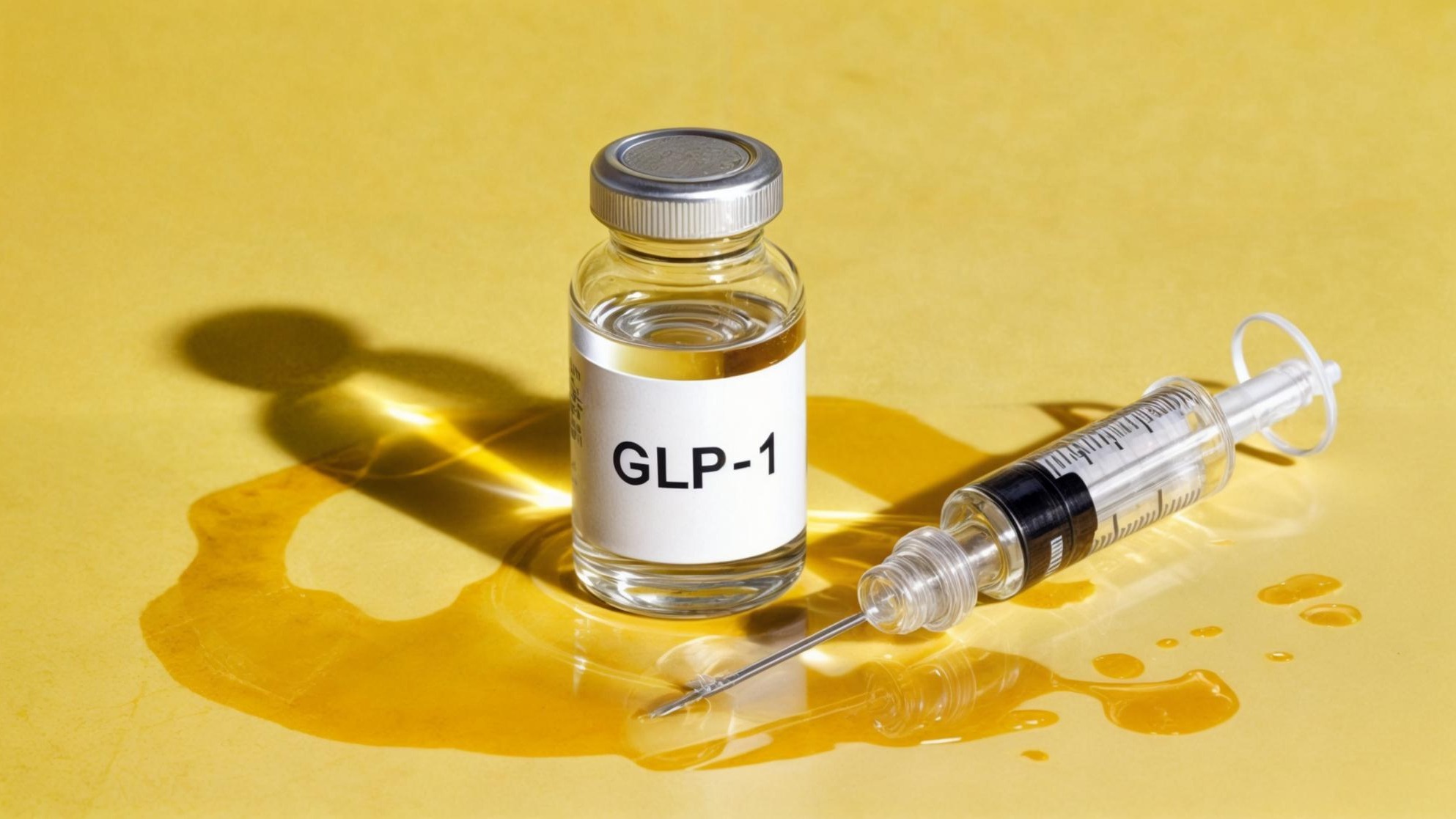
Right now, a Medicare enrollee with heart disease and obesity who fills a monthly prescription for Wegovy pays roughly $1,349 at list price. Zepbound, the other blockbuster GLP-1 drug, lists at about $1,060. For seniors on fixed incomes, those numbers have made clinically proven medications functionally unavailable. That changes on July 1.
A new CMS demonstration called the Medicare GLP-1 Bridge will cap the monthly copay for qualifying GLP-1 medications at a flat $50 for eligible Part D beneficiaries. The program runs through December 31, 2027, and covers two specific, FDA-approved uses: reducing cardiovascular risk (Wegovy) and treating moderate-to-severe obstructive sleep apnea (Zepbound). Beneficiaries who use these drugs solely for weight loss will not qualify.
For the more than 50 million Americans enrolled in Medicare Part D, according to CMS enrollment data, the Bridge represents the most significant expansion of GLP-1 access since these drugs reached the market. But major questions remain about which plans will participate, whether supply can keep up, and what happens when the demonstration expires.
How the $50 copay actually works
GLP-1 receptor agonists, the drug class that includes semaglutide (Wegovy) and tirzepatide (Zepbound), mimic a gut hormone that regulates appetite and blood sugar. Originally developed for type 2 diabetes, they have since shown powerful effects on weight, cardiovascular risk, and breathing disorders during sleep. Their list prices, however, have kept them out of reach for many seniors who need them most.
Under the Bridge, manufacturers supply the drugs to participating Part D plans at a negotiated net price of about $245 per month, far below retail. Beneficiaries pay $50 out of pocket regardless of where they fall in the standard Part D benefit phases. That flat copay holds whether a patient is in the deductible phase, the coverage gap, or approaching the catastrophic threshold.
Two FDA decisions provide the clinical foundation for the program. In March 2024, the agency approved Wegovy specifically to reduce the risk of cardiovascular death, heart attack, and stroke in adults with established cardiovascular disease and obesity or overweight. In December 2024, the FDA cleared Zepbound for moderate-to-severe obstructive sleep apnea in adults with obesity. Those approvals gave CMS a regulatory basis to treat these GLP-1 prescriptions as medically necessary rather than elective, a distinction that had stalled Medicare coverage for years.
One important piece of context: the Inflation Reduction Act’s $2,000 annual out-of-pocket cap for Part D already took effect in 2025. Without the Bridge, a senior filling Wegovy at list price would blow through that cap in under two months, after which catastrophic coverage would kick in but still leave cost-sharing obligations. The Bridge’s $50 flat fee operates outside the standard benefit structure entirely, meaning seniors pay less each month and preserve their annual cap for other medications.
Participation is voluntary for Part D plans. Plans that opt in must honor the $50 copay and process claims through the pricing arrangements CMS negotiated with Novo Nordisk (Wegovy) and Eli Lilly (Zepbound). CMS frames the Bridge as a test of whether dramatically lower copays improve medication adherence and reduce costly hospitalizations for heart events and sleep apnea complications.
What seniors need to qualify
Eligibility hinges on clinical criteria, not simply a desire to lose weight. To fill a Bridge prescription for Wegovy, a beneficiary must have an established diagnosis of cardiovascular disease along with obesity or overweight, matching the FDA’s approved indication. For Zepbound, the qualifying diagnosis is moderate-to-severe obstructive sleep apnea in the presence of obesity.
Prior authorization applies. A prescribing physician will need to document that the patient meets the FDA-approved criteria, and the Part D plan will review the claim before approving it. As of late May 2026, CMS has not published data on expected denial rates or detailed how the appeals process will work for beneficiaries who are turned down. Several advocacy groups, including the Medicare Rights Center, have flagged that gap as a concern heading into the July launch.
Seniors who currently take GLP-1 drugs off-label for weight management alone should not expect Bridge pricing. The demonstration is explicitly tied to the two FDA-cleared indications, and claims that fall outside those diagnoses will not receive the $50 copay.
It is also worth noting that many seniors have turned to compounded versions of semaglutide and tirzepatide as a cheaper workaround. The Bridge does not cover compounded drugs. Only the brand-name products from Novo Nordisk and Eli Lilly are included, which means beneficiaries using compounded alternatives would need to switch to the branded versions and go through prior authorization to access Bridge pricing.
Beneficiaries already using other coverage pathways
Some seniors currently access GLP-1 medications through manufacturer savings cards, such as Eli Lilly’s Zepbound savings program, or through state pharmaceutical assistance programs (SPAPs) that supplement Part D coverage. CMS has not issued specific guidance on how the Bridge interacts with these existing pathways. Beneficiaries enrolled in an SPAP or using a manufacturer card should contact both their Part D plan and the assistance program to determine whether Bridge pricing replaces, stacks with, or conflicts with their current arrangement. In general, manufacturer copay cards have not historically been permitted to reduce cost-sharing in Medicare Part D, so the Bridge may represent the first time many of these seniors see a copay below their current effective price.
Unresolved questions that could shape the rollout
Plan participation rates. Because the Bridge is voluntary, not every Part D plan will join. CMS has not published a list of participating plans or projected what share of the market will opt in. Beneficiaries may need to check with their plan directly or wait for CMS to release a participation directory closer to July 1.
Supply constraints. Wegovy and Zepbound have both experienced intermittent shortages over the past two years as demand surged. Neither Novo Nordisk nor Eli Lilly has made public commitments about production volumes specific to the Bridge period. If enrollment spikes faster than manufacturers anticipated, limited supply could undermine the program even where the pricing works as designed.
Dual-eligible coordination. For the roughly 12 million Americans who qualify for both Medicare and Medicaid, according to estimates from the Medicare-Medicaid Coordination Office, CMS has not fully detailed how cost-sharing will be split between the two programs under the Bridge. Which payer is primary, and how the $50 copay interacts with Medicaid’s own cost-sharing rules, remains unclear in publicly available documents as of late May 2026.
Interaction with the Part D benefit structure. CMS states that the $50 copay stays flat across benefit phases, but the agency also describes the Bridge as operating outside the standard Part D benefit. Both statements appear in the same program materials. The practical question for beneficiaries: does their Bridge spending count toward the $2,000 annual out-of-pocket maximum? Until CMS issues explicit guidance, pharmacists and plan administrators will be working without a clear answer.
Political and legal durability. Some members of Congress have questioned whether CMS has the statutory authority to run a demonstration of this scope without explicit legislative approval. If legal challenges or a shift in administration priorities intervene, the Bridge could be shortened or restructured before its scheduled December 2027 end date.
The broader policy experiment behind the Bridge
CMS is not treating the Bridge as a standalone initiative. In its program materials, the agency connects it to the BALANCE model, a separate demonstration that ties drug payments more directly to patient health outcomes rather than prescription volume. By anchoring GLP-1 access to hard clinical endpoints like heart attacks, strokes, and sleep apnea severity, the Bridge functions as an early proving ground for that value-based approach to pharmaceutical spending.
If the Bridge shows that a $50 copay leads to higher adherence and fewer emergency hospitalizations, CMS would have data to argue for permanent coverage changes or expanded demonstrations covering additional drug classes. If it fails to move the needle on outcomes, or if costs balloon beyond projections, the agency will face pressure to let the program expire quietly at the end of 2027.
What eligible seniors should do before July 1
The launch is five weeks away, and several steps can prevent delays on day one. Beneficiaries who think they qualify should confirm with their prescribing physician that their diagnosis meets the FDA-approved criteria for either Wegovy or Zepbound. They should also contact their Part D plan to ask whether it intends to participate in the Bridge and what prior-authorization paperwork will be required.
CMS has indicated that additional technical details, including plan participation lists and claims-processing instructions, will be released in June 2026. Those documents will determine whether the $50 promise translates into a smooth pharmacy experience or a billing mess on opening day.
For millions of Medicare enrollees managing serious heart conditions or severe sleep apnea, the Bridge offers something that has been financially out of reach: access to medications that large-scale clinical trials have shown reduce the risk of death and disability, at a price that does not force a choice between treatment and groceries. Whether the program delivers depends on decisions that CMS, insurers, and drug manufacturers still need to finalize in the next 38 days.