Anyone who paid with a card at Trader Joe’s between 2018 and 2025 can claim about $102 from its $7.4 million FACTA settlement — but the filing window closes June 9
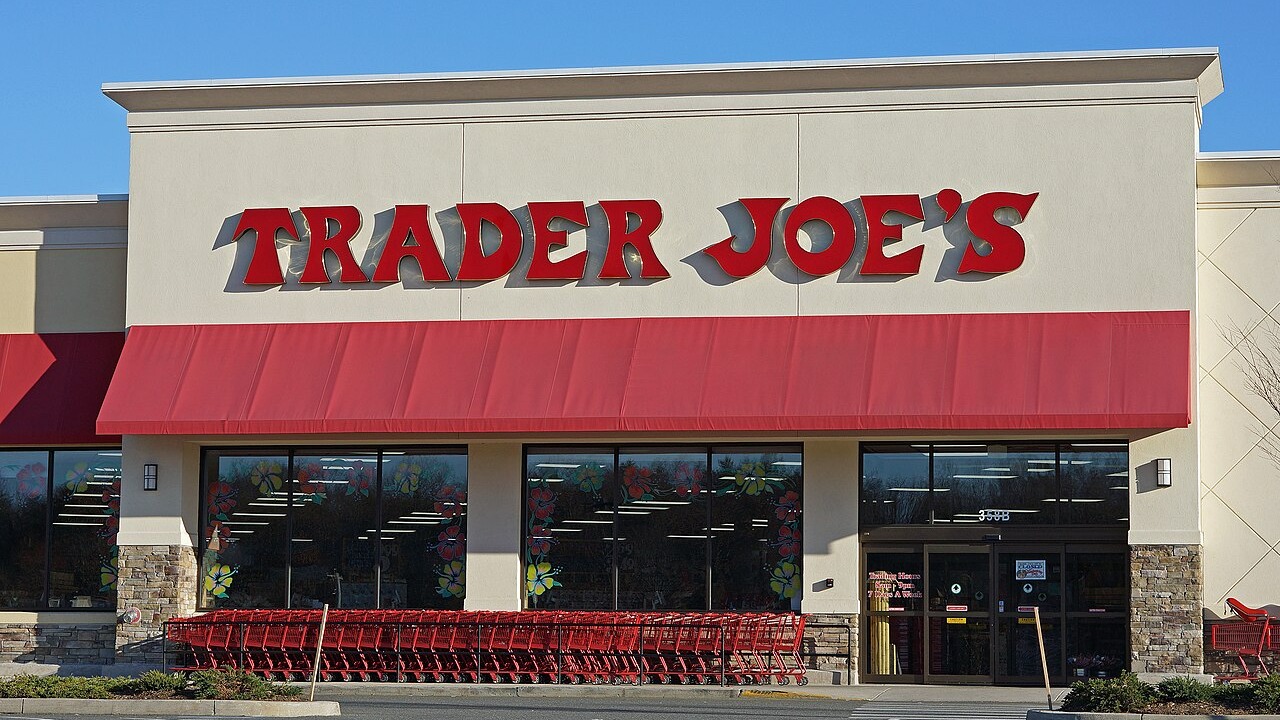
Trader Joe’s has agreed to pay $7.4 million to settle a federal class action lawsuit that accused the grocery chain of printing credit and debit card information on customer receipts in violation of federal law. If you swiped or inserted a card at any Trader Joe’s location between 2018 and early 2025, you may be eligible to collect an estimated $102 from the settlement fund. The exact start and end dates of the covered period are defined in the court-approved settlement agreement; public summaries describe the window as 2018 through early 2025, but claimants should consult the official settlement notice for precise dates. The catch: the claims deadline is June 9, and late filings will not be accepted.
What the lawsuit alleged
The case, Gardiner v. Trader Joe’s Company, was filed in the U.S. District Court for the Central District of California. At its core is the Fair and Accurate Credit Transactions Act (FACTA), a federal law Congress passed to curb identity theft at the point of sale. Section 1681c(g) of the U.S. Code bars any business that accepts credit or debit cards from printing more than the last five digits of the card number, or the card’s expiration date, on electronically generated receipts given to customers.
Plaintiffs alleged that Trader Joe’s printed receipts that failed to properly truncate card details, potentially leaving shoppers’ payment information exposed. Trader Joe’s did not admit wrongdoing as part of the settlement, which is standard practice in class action litigation. Publicly available court filings in the case do not cite any documented instances of identity theft resulting from the receipts, though this observation is based on those public filings rather than a comprehensive review of every document in the record.
How much claimants could receive
The estimated per-person payout of roughly $102 is a projection derived from the total settlement fund size and anticipated claim volume. This figure appears in the settlement notice posted on the claims administrator’s website at gardinervsettlement.com. That figure is not locked in. If relatively few people file, individual shares could climb higher. A surge of last-minute claims before June 9 would push each share lower. Final distribution amounts are typically calculated after the filing window closes and the claims administrator tallies valid submissions.
It is also worth noting that not all of the $7.4 million will go directly to claimants. As with most class action settlements, a portion covers court-approved attorney fees, administrative costs, and service awards to the named plaintiffs. The $7.4 million figure and the allocation of those funds are detailed in the court’s final approval order for the settlement. The $102 estimate already accounts for those deductions based on projected participation.
Eligible claimants generally include anyone who made a credit or debit card purchase at a Trader Joe’s store during the covered period and received a receipt that did not comply with FACTA’s truncation requirements. The precise eligibility criteria are defined in the settlement agreement approved by the court.
How to file before the deadline
Claims can be submitted through the official settlement website at www.gardinervsettlement.com. The form typically asks for basic identifying information and confirmation that you made card purchases at Trader Joe’s during the relevant period. You do not need to dig up old receipts to file, though having them could support your claim.
A few things to keep in mind before you submit:
- Confirm you are on the right site. Before entering any personal details, verify you are on the legitimate claims administrator’s page. You can cross-reference the case name, Gardiner v. Trader Joe’s Company, through court records on PACER or through established class action tracking sites like TopClassActions.com.
- Ignore unsolicited messages promising payouts. Scammers routinely impersonate class action settlements to harvest personal data. No legitimate claims administrator will ask for your full Social Security number or bank login credentials.
- Do not wait until June 9. Late submissions are almost always rejected outright. If you think you qualify, file now. The form takes only a few minutes.
Why FACTA receipt lawsuits keep targeting grocery chains
Trader Joe’s is far from the first major retailer to face a FACTA receipt lawsuit. Grocery stores process enormous volumes of card transactions daily. A single software misconfiguration at the register level can generate thousands of non-compliant receipts in a matter of hours, and that transaction volume is what turns a seemingly minor technical error into multimillion-dollar legal exposure.
FACTA functions as a strict-liability statute in practice. Plaintiffs do not need to prove that anyone actually suffered identity theft. They only need to demonstrate that receipts violated the truncation rules. That low threshold, paired with the sheer number of transactions at national chains, has made grocery retailers frequent targets for this type of litigation.
For shoppers, the pattern is a practical reminder: if a receipt displays more than the last four or five digits of your card number, or shows an expiration date, do not toss it in the trash. Shred it or dispose of it securely. That habit costs nothing and removes a potential vector for fraud, regardless of whether the retailer’s systems are compliant.
What Trader Joe’s shoppers should do before June 9
Receipt formatting is not the kind of issue most people think about while bagging groceries, but FACTA violations carry statutory damages that scale quickly across thousands of daily transactions. That is how a back-office oversight at a popular grocery chain becomes a $7.4 million settlement.
If you paid with a credit or debit card at any Trader Joe’s location between 2018 and early 2025, check whether you qualify at gardinervsettlement.com and file your claim before the June 9 deadline. The process takes minutes. Payments are expected to be distributed after the claims window closes and the administrator processes all valid submissions, though no specific payout date has been announced as of late May 2026.