Drivers in Louisiana and Nevada absorbed the steepest auto insurance increases in the country this year, with premiums jumping 124 percent and 108 percent respectively. Across the nation, rates are projected to keep climbing in 35 states through 2026, while 15 states are expected to see some relief. Louisiana is already acting on that relief: state regulators approved personal auto rate decreases for Progressive affecting more than 470,000 policyholders, a move that could signal whether early regulatory intervention after costly hurricane seasons can stabilize claim costs faster than a wait-and-see approach.
Louisiana rate cuts test whether early action slows rising premiums
The tension behind these numbers is straightforward. States battered by hurricanes and rising repair costs have seen insurers push through enormous rate hikes to cover losses. Louisiana, which sits at the top of that list, is now trying to reverse the trend through direct regulatory action. The state insurance department approved an average 6.6 percent personal auto rate decrease for Progressive Security, covering more than 270,000 policyholders. A separate filing for Progressive Paloverde brought an average 4 percent decrease for nearly 200,000 additional policyholders. Both cuts took effect in early 2026, and they followed a prior Progressive rate decrease approved in July 2025.
The question this raises is whether states that move quickly to approve decreases after major loss events will see faster stabilization in their claim-cost ratios than states that leave rates elevated. If Louisiana’s loss ratios improve in the quarters ahead, it would suggest that regulatory pressure on insurers to pass savings back to drivers can break the cycle of compounding premium increases. If loss ratios stay volatile, the decreases may prove short-lived, and further hikes could follow.
For the roughly 470,000 Louisiana policyholders directly affected, the immediate impact is measurable. A 6.6 percent cut on a $3,000 annual premium saves about $198 a year. A 4 percent cut saves around $120. Those are real dollars in a state where auto insurance costs have more than doubled in a single year. But they also represent a fraction of the 124 percent increase that preceded them, leaving drivers still paying far more than they did two years ago.
Flood-damaged vehicles and repair costs behind the 35-state increase
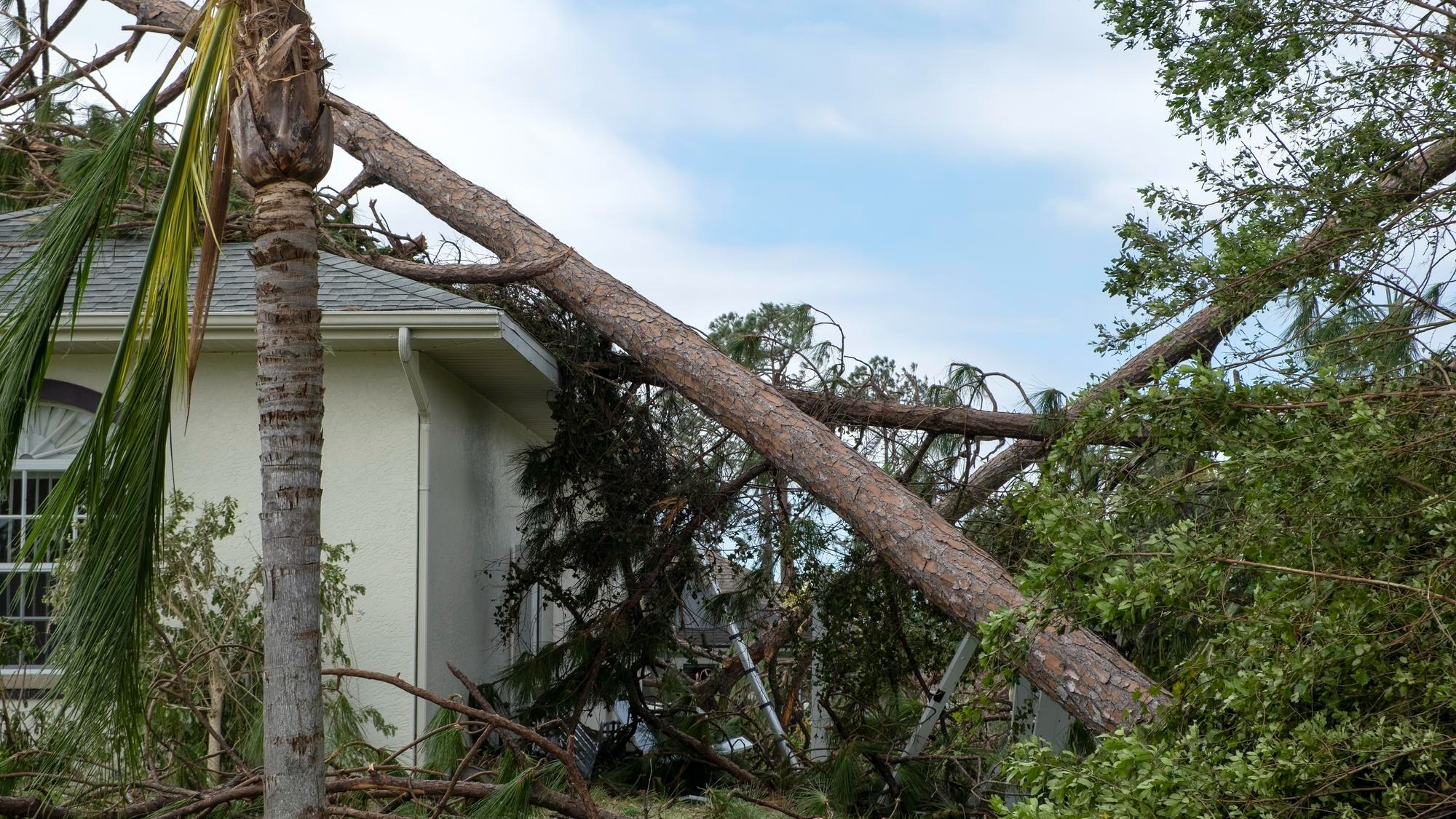
The forces driving premiums higher in 35 states are not abstract. CARFAX reported that about 347,000 vehicles suffered flood damage during the 2024 hurricane season. Each of those vehicles represents a claim, a total loss, or a repair bill that feeds directly into insurer loss calculations. When loss costs rise, insurers file for higher rates, and state regulators in most jurisdictions approve those filings.
The 347,000 figure captures only flood damage from hurricanes, not the full scope of weather-related auto losses. Hail, wind-blown debris, and storm-surge damage add to the total. Repair costs have also climbed because newer vehicles carry more sensors, cameras, and advanced driver-assistance components that are expensive to replace. A cracked bumper on a late-model car can involve recalibrating radar units and replacing embedded electronics, pushing repair bills far above what similar damage cost a decade ago.
Those higher repair bills show up directly in comprehensive and collision claims. When storms destroy vehicles outright, insurers often face total-loss payouts that exceed the vehicles’ depreciated values because used-car prices have been elevated in many markets. The combination of more frequent severe-weather events and more expensive vehicles to fix or replace has pushed loss ratios higher, forcing insurers to seek double-digit rate hikes in many states just to keep pace.
Why some states may see relief while others do not
While 35 states are expected to see continued increases, 15 are projected to get some premium relief over the next two years. Several factors help explain the split. States with fewer catastrophic weather events and more stable repair markets have seen slower growth in claim costs, giving regulators more room to resist steep filings or to encourage modest decreases when loss experience improves.
Crash frequency also matters. Where vehicle miles traveled have leveled off, or where safety initiatives have reduced serious crashes, insurers may be able to moderate rate increases. States that track and publish detailed collision trends, such as those using tools similar to Maryland’s crash data dashboards, give regulators and carriers better insight into whether rising premiums are driven by more crashes, more expensive crashes, or both.
By contrast, states with rapid population growth, congested urban corridors, or persistent risky driving behaviors may see higher crash counts and more severe claims. Layered on top of weather-related losses, that can create a feedback loop in which each year’s rate filings build on the last, leaving drivers facing cumulative increases that far outpace inflation or wage growth.
What Louisiana’s experiment could mean for drivers elsewhere
Louisiana’s move to approve targeted decreases after a period of extreme volatility amounts to a live test of whether regulators can bend the cost curve without undermining insurer solvency. If claim costs stabilize and carriers remain profitable under the new rates, other hurricane-prone states may feel more confident pressing for similar givebacks once the worst losses have worked through the system.
For drivers, the stakes are immediate. In high-cost states, auto insurance can rival a monthly car payment, forcing households to choose between maintaining full coverage and cutting back to minimum limits or dropping optional protections altogether. Even relatively small percentage cuts can free up money for repairs, fuel, or other essentials, especially in regions where wages have not kept up with insurance costs.
Whether Louisiana’s early action becomes a model or a cautionary tale will depend on how future storms, vehicle prices, and driving patterns interact. For now, the state’s 470,000 Progressive customers are seeing rare downward movement in their premiums, even as millions of drivers elsewhere brace for additional hikes. The coming renewal cycles will reveal whether that divergence is temporary-or the first sign that aggressive regulation can slow, if not reverse, the nation’s steep climb in auto insurance costs.