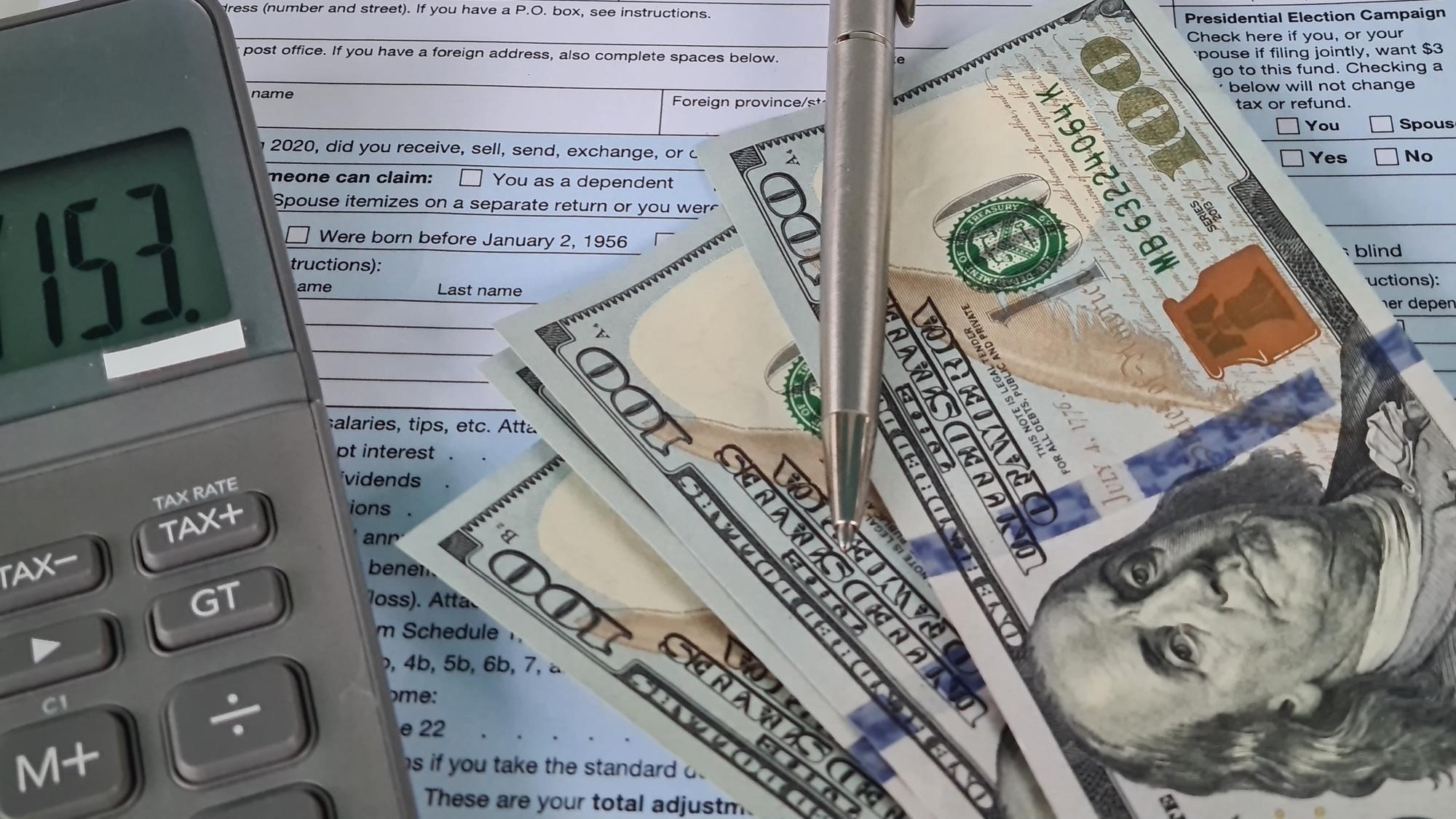
Taxpayers who paid failure-to-pay penalties on returns filed for tax years 2020 through 2023 could be owed refunds by the IRS, but the window to preserve those claims closes on July 10, 2026. The IRS Taxpayer Advocate Service has urged affected filers to submit formal or protective refund claims before that date, warning that the three-year refund deadline tied to COVID-era federal disaster relief postponements expires for many people on that day. With just 35 days remaining, the difference between acting now and waiting could mean forfeiting money the government already collected.
Why the July 10 deadline changes the math for penalty refunds
The IRS granted administrative penalty relief through two separate programs during and after the pandemic. Notice 2022-36, published in the Internal Revenue Bulletin, waived certain late-filing penalties for 2019 and 2020 returns. A later initiative, described in an IRS newsroom release, extended relief to failure-to-pay penalties on 2020 and 2021 returns for taxpayers who received balance-due notices during specific windows. Those waivers were processed automatically for qualifying accounts, meaning many filers never had to lift a finger.
The July 10 deadline, however, involves a separate and broader legal theory. The Taxpayer Advocate Service has highlighted court filings in the case Kwong v. United States and a related matter, Abdo, which argue that the IRS’s COVID-19 disaster declarations should have postponed penalty and interest accrual for a wider range of taxpayers and tax years than the agency acknowledged. If that theory prevails, penalties and interest assessed during the federal disaster period could be refundable. The three-year statutory window to claim those refunds, as extended by the disaster postponement itself, closes July 10, 2026 for many filers.
In practical terms, the deadline acts like a “use it or lose it” cutoff. Refunds of penalties and interest are generally barred once the limitations period expires, even if later court decisions suggest the original assessment was improper. Filing a claim before July 10 keeps the door open while the litigation plays out. Waiting until after that date could leave taxpayers unable to benefit from a favorable ruling, because the IRS would be legally prohibited from issuing refunds for closed years.
Two paths to a refund claim, and why one is faster
Taxpayers who already benefited from the automatic waivers described in Notice 2022-36 or the 2020–2021 failure-to-pay relief do not need to take additional action for those specific penalties. The open question is whether filers who paid penalties or interest outside the scope of those programs can recover money under the broader disaster-relief argument advanced in the Kwong and Abdo litigation. That group may include individuals, businesses, and self-employed taxpayers who filed late, entered into installment agreements, or paid balances in full while penalties and interest continued to accrue.
The Taxpayer Advocate Service has outlined two options for preserving rights before the deadline. A formal refund claim, filed on Form 843, requests a specific dollar amount and cites a defined legal basis. This approach requires gathering IRS account transcripts, identifying which penalties and interest were assessed during the disaster postponement period, and explaining why those charges should be abated and refunded. Formal claims are generally processed sooner, which may result in a quicker decision if the IRS issues guidance before the courts rule.
A protective claim, by contrast, preserves the taxpayer’s right to a refund without requiring a precise calculation, which can be useful when the underlying legal question has not yet been resolved. In recent guidance for filers, the Advocate recommended that taxpayers who are unsure of their exact exposure still submit a timely protective claim referencing the COVID-19 disaster postponements and the Kwong and Abdo cases. Once the law is clarified, they can supplement with detailed calculations if needed.
From a timing standpoint, a well-prepared formal claim may be faster because it gives the IRS everything it needs to evaluate eligibility. However, preparing that level of detail before July 10 may not be realistic for everyone, especially those with multiple years of complex activity. For those taxpayers, a protective claim functions as an insurance policy against the statute of limitations, buying time to sort out the numbers later.
Practical steps taxpayers can take now
Taxpayers considering a claim should start by reviewing their records for tax years 2020 through 2023. IRS account transcripts, which can be obtained online or by mail, will show when penalties and interest were assessed and paid. Comparing those dates to the COVID-19 disaster postponement period can help identify which charges might be affected by the pending legal arguments.
Next, filers should decide whether to pursue a formal or protective claim, or both. Some practitioners are advising clients to submit a protective claim immediately to lock in the deadline, then follow up with a more detailed formal claim once they have completed their analysis. Others may opt for a single, comprehensive formal claim if they can gather the necessary information quickly. In either case, claims should clearly reference the COVID-19 disaster declarations, the postponement of filing and payment deadlines, and the Kwong and Abdo litigation as the basis for relief.
Finally, taxpayers should keep copies of everything they submit, along with proof of mailing or electronic confirmation. Because the outcome of the litigation and the IRS’s eventual response are still uncertain, maintaining a clear paper trail will be important if questions arise later. Acting before July 10, 2026 does not guarantee a refund, but it preserves the possibility. For many households and small businesses that struggled through the pandemic, that opportunity may be worth the effort.