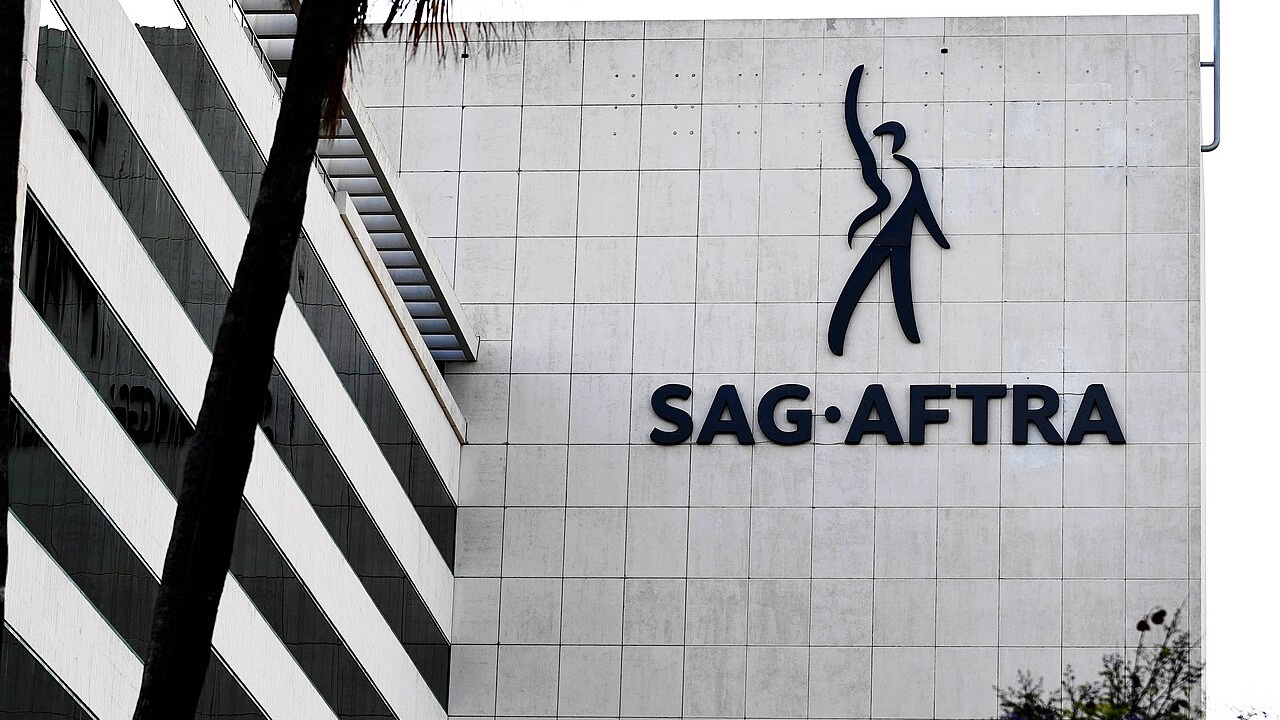
Members of the SAG-AFTRA Health Plan who had their protected health information exposed in a data breach can file claims for up to $5,000 in documented losses, with a July deadline fast approaching. The settlement, which covers individuals whose sensitive records were compromised, arrives as federal regulators continue to track large-scale health data breaches through a public database maintained by the U.S. Department of Health and Human Services. For affected union members in the entertainment industry, the short claims window means gathering documentation now or risking forfeiture of compensation.
Why the July claims deadline pressures SAG-AFTRA members
The federal government defines a large breach as one involving 500 or more individuals whose unsecured protected health information was compromised. When a health plan crosses that threshold, the incident must be reported to HHS, and it becomes part of a searchable public record. That visibility tends to accelerate legal and regulatory pressure on the breached entity, because plaintiffs’ attorneys, journalists, and regulators can all monitor the same federal portal in real time.
For union-sponsored health plans like the one administered for SAG-AFTRA members, the dynamics differ from typical employer-sponsored coverage. Union plans serve a defined membership base whose identities and contact information are concentrated in shared systems. A breach affecting that pool exposes not just medical data but also personal details tied to employment eligibility, residuals, and benefits administration. The result is a population that is both easier to identify for class action purposes and more motivated to pursue claims, given the professional and financial sensitivity of the exposed records.
Whether entertainment-sector health plans actually reach settlement faster than non-union plans when breach volume exceeds 500 individuals is difficult to confirm from federal records alone. The HHS breach portal tracks reporting dates and entity types but does not publish settlement timelines. Still, the concentrated membership and high public profile of a plan like SAG-AFTRA’s can create conditions where legal resolution moves on a compressed schedule compared to breaches at diffuse, multi-state employer plans.
Federal breach records and what they confirm about the SAG-AFTRA incident
The U.S. Department of Health and Human Services, through its Office for Civil Rights, operates the primary public database where covered entities must report breaches of unsecured protected health information. Any breach affecting 500 or more people triggers mandatory disclosure on that portal, along with notification to affected individuals and, in many cases, media outlets in the relevant jurisdiction.
Federal breach notification rules require covered entities to alert affected individuals without unreasonable delay, generally within 60 days of discovering the breach. The notification must describe the types of information involved, steps the entity is taking, and actions individuals can take to protect themselves. These requirements, outlined in HHS guidance on breach notification procedures, apply equally to union health plans and commercial insurers.
The settlement’s payment structure, offering up to $5,000 for documented out-of-pocket losses, follows a pattern common in health data breach litigation. Claimants typically must show expenses such as credit monitoring costs, time spent addressing fraud, or direct financial losses linked to misuse of their information. Many settlements also provide an additional cash payment for time spent dealing with the fallout, capped at a set number of hours, as well as free credit monitoring or identity protection services for a limited period.
In the SAG-AFTRA Health Plan case, the July claims deadline compresses the window for gathering receipts, bank statements, correspondence with creditors, and other proof of loss. Members who moved, changed email addresses, or work irregular schedules in production jobs may have missed earlier notices, making it especially important to act quickly once they learn of the settlement. Failing to submit a claim by the cutoff generally means losing eligibility for reimbursement, even if a member’s data was indisputably exposed.
How the Office for Civil Rights shapes breach responses
Enforcement of federal health privacy rules falls to the HHS Office for Civil Rights, which oversees compliance with the Health Insurance Portability and Accountability Act (HIPAA) and related regulations. The civil rights office can investigate reported breaches, audit covered entities, and negotiate corrective action plans that require improvements to security practices, training, and oversight.
When a breach is reported, OCR may review whether the entity conducted a timely risk assessment, implemented appropriate safeguards, and followed notification rules. While a private class settlement like the SAG-AFTRA Health Plan agreement compensates individuals for certain harms, it does not replace federal oversight. OCR retains authority to pursue separate enforcement actions, which can result in civil monetary penalties or mandated reforms if systemic violations are found.
For union members, this dual track-private settlement and federal enforcement-means there are two distinct outcomes to watch. The settlement determines what compensation individual claimants may receive, while OCR’s involvement focuses on whether the health plan strengthens its protections to reduce the risk of future incidents. Both processes are informed by the same underlying breach facts, but they serve different purposes.
What affected SAG-AFTRA members should consider now
As the July deadline approaches, affected members should confirm whether they received formal breach notifications, review any settlement notices, and determine if they qualify to file a claim. Those who incurred expenses responding to the breach should collect documentation and submit forms before the cutoff. Even members who did not experience direct fraud may be eligible for modest payments for time spent monitoring accounts or updating security settings.
Beyond the immediate settlement, the SAG-AFTRA Health Plan breach underscores how exposed health information can ripple through a worker’s financial and professional life. For performers and media professionals whose livelihoods depend on accurate records and timely payments, maintaining vigilance over both medical and financial data remains essential long after a breach first appears on a federal database.