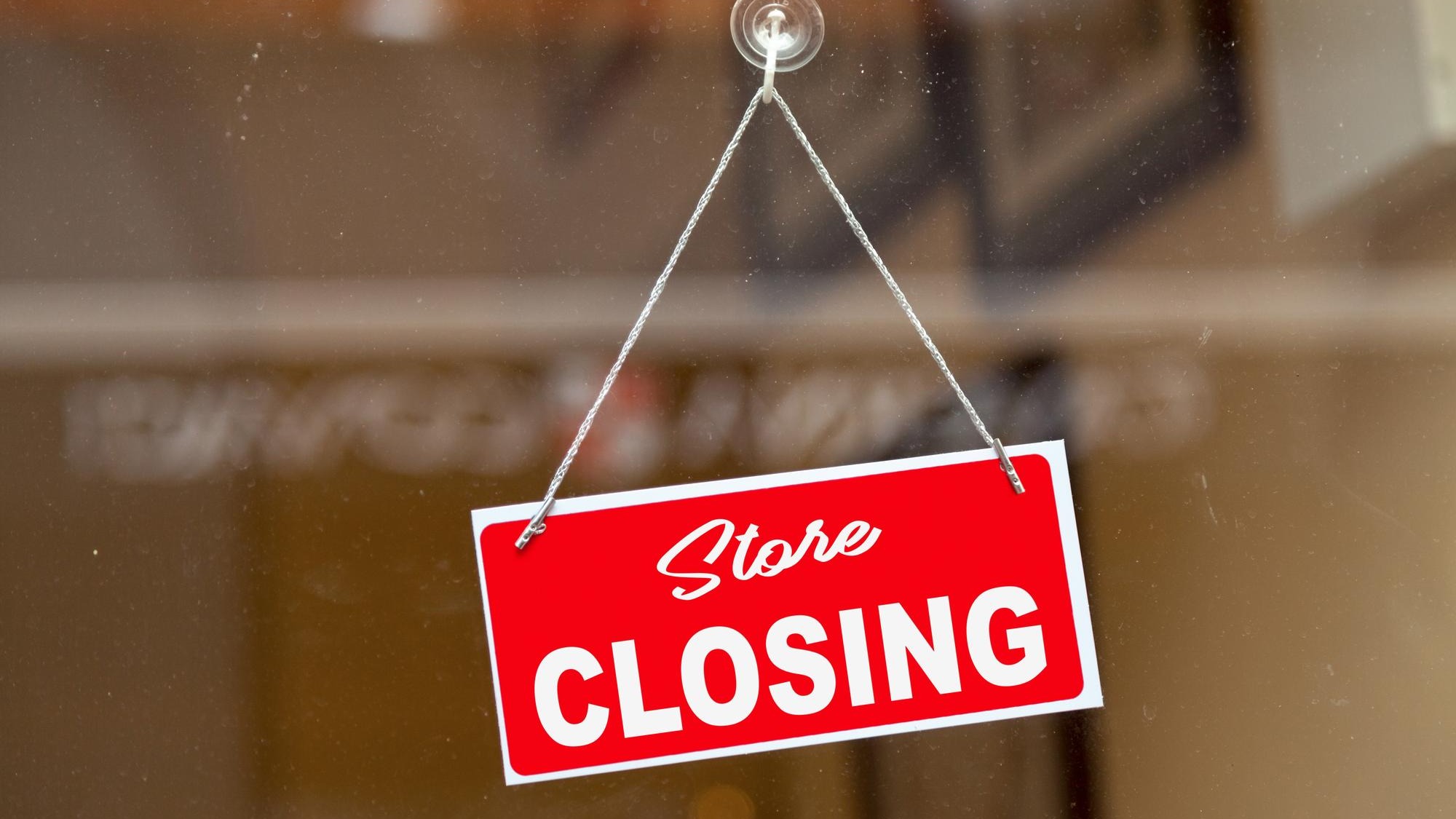
Eddie Bauer, the 106-year-old outdoor apparel brand, is liquidating all of its stores across the United States and Canada after filing for Chapter 11 bankruptcy protection in the District of New Jersey. Roughly 174 store leases covering more than 1.08 million square feet are now being marketed to potential tenants, and going-out-of-business sales are underway at every location. If no buyer steps forward for the business, a full wind-down will follow, erasing one of the oldest names in American retail from the physical shopping map.
Why Eddie Bauer’s 174-store liquidation matters right now
The immediate effect is concrete: landlords at malls and shopping centers in both countries face a sudden wave of vacant space. Over 1.08 million square feet of retail real estate is entering the market at once, according to RCS Real Estate Advisors, the firm hired to market the leases. Every lease assignment or negotiation requires bankruptcy court approval, which means landlords cannot simply re-let the spaces on their own timeline. They must wait for judicial sign-off, adding weeks or months of vacancy to properties already under pressure from rising e-commerce competition.
For shoppers, the liquidation sales represent the final chance to buy Eddie Bauer merchandise in person. The company’s own announcement confirmed that going-out-of-business sales are running at all store locations while a court-supervised sale process plays out. The practical takeaway for anyone holding gift cards or store credits is straightforward: use them now, because once the wind-down concludes, those balances may be worthless and customer claims will be folded into a crowded bankruptcy process.
The ripple effects extend beyond individual malls. In many mid-tier shopping centers, Eddie Bauer served as a steady, mid-traffic tenant that helped support neighboring specialty retailers. Its departure will force property owners to rethink their merchandising mix, potentially accelerating a shift toward service, entertainment, and food uses in spaces once dedicated to apparel. In stronger Class A malls, landlords may be able to backfill quickly with digitally native brands seeking physical showrooms, but weaker centers could see prolonged dark storefronts and pressure on valuations.
A broader question looms for the retail sector. Eddie Bauer’s Chapter 11 case was filed in the District of New Jersey, a venue that handles a significant share of distressed retailers. Some restructuring professionals speculate that a high-profile filing of this size could influence the timing of other apparel and specialty chains that are already on the brink, prompting them to move faster in the same court to secure attention and lock in debtor-friendly orders. That hypothesis remains unproven: bankruptcy judges control their own dockets, and each debtor’s financial position and capital structure differ. Still, a 174-store estate will consume court time and professional resources, and landlords watching this case may organize more aggressively in future filings to resist broad lease rejections.
Court filings and lender deal behind the liquidation
Eddie Bauer LLC initiated a voluntary Chapter 11 process with the backing of its secured lenders through a Restructuring Support Agreement. That pact signals that lenders, who hold priority claims on the company’s assets, concluded an orderly sale or liquidation would recover more value than keeping the existing store base open. Under the agreement, Eddie Bauer is pursuing a court-supervised sale of all or part of its operations, including intellectual property and e-commerce, while simultaneously preparing for a complete wind-down if no qualified bidder emerges.
The Chapter 11 petition and related motions were filed in the U.S. Bankruptcy Court for the District of New Jersey, whose procedures and calendars are publicly available through the court’s official website. Early filings typically include requests to honor employee wages, continue certain customer programs during the sale period, and approve the retention of advisors to run the lease marketing and asset sale processes. In Eddie Bauer’s case, the company has also sought authority to conduct going-out-of-business sales at all locations, locking in a path to monetize inventory even as it courts potential buyers.
The role of secured lenders is central. By supporting the Chapter 11 plan, they effectively set the boundaries for any reorganization scenario: a buyer must pay enough to satisfy their recovery expectations, or the estate will pivot to liquidation. This dynamic can be unforgiving for unsecured creditors such as vendors, mall owners, and gift card holders, who are last in line and may see only modest recoveries, if any, once professional fees and senior claims are paid.
For landlords, the marketing of roughly 174 leases offers both risk and opportunity. On one hand, a coordinated lease disposition effort can attract expanding retailers that might not otherwise have considered certain centers or markets. On the other, if bids do not materialize, leases will be rejected and space will revert to landlords with no rent coming in during the interim. That uncertainty complicates negotiations with lenders on property-level financing and may influence how aggressively owners invest in backfilling or redeveloping affected wings of a mall.
For the broader retail landscape, Eddie Bauer’s unwinding underscores how even long-established brands with recognizable names are not insulated from shifting consumer behavior and the capital intensity of omnichannel operations. As the case progresses in New Jersey, other retailers, landlords, and investors will be watching closely for signals on how quickly leases can be shed, what buyers are willing to pay for legacy brands, and how courts balance the interests of creditors, employees, and customers when a century-old retailer reaches the end of the trail.