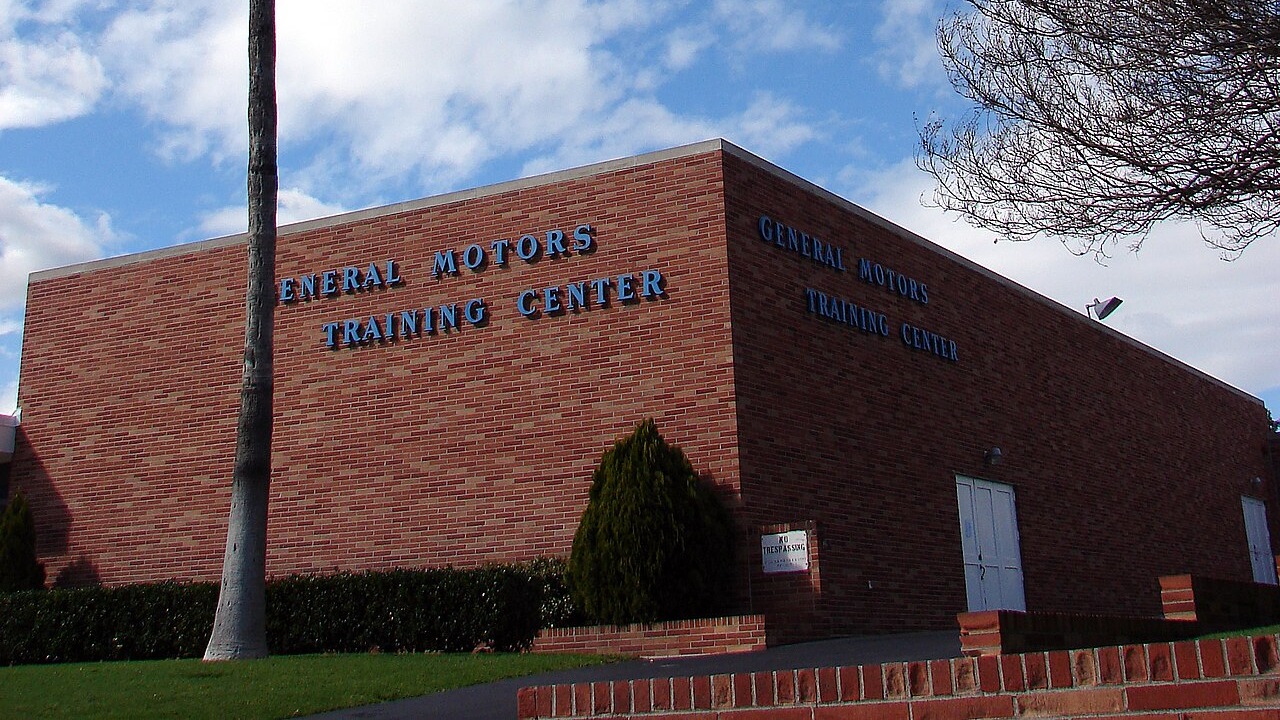
General Motors is signaling to Wall Street that its cost-cutting campaign will reach deep into the technology side of the business, raising hard questions for thousands of software engineers and IT workers who joined the automaker during its aggressive push into electric vehicles and digital services. The company has told investors it plans to strip more than $2 billion in costs through structural reductions, and consecutive annual filings with the Securities and Exchange Commission make clear that technology spending is a primary target. For workers in GM’s software, connected-vehicle, and autonomous-driving programs, the message from Detroit is blunt: these cuts are not temporary belt-tightening tied to a slow sales quarter. They are designed to be permanent.
Why GM’s $2 billion cost target puts tech workers on notice
GM expanded its technology workforce rapidly over the past several years as it raced to compete with Tesla, Rivian, and legacy rivals on EV platforms, over-the-air software updates, and self-driving capabilities. That hiring spree created large teams across software development, data engineering, and IT infrastructure. The company’s annual report for fiscal year 2024, filed on the SEC’s EDGAR system, describes elevated technology and workforce spending as a risk to margins and discusses plans for structural savings in areas including engineering and digital initiatives.
A subsequent disclosure covering fiscal year 2025 reinforces that framing. In its more recent Form 10-K discussion, GM again highlights cost-reduction targets and notes pressure from technology-related expenses, signaling that the company sees its software and IT footprint as a structural issue rather than a temporary spike. The repetition across filings suggests leadership is aligning long-term strategy with a leaner tech operation, not merely trimming during a soft patch for EV demand.
That distinction matters for employees. Cyclical cuts tied to production slowdowns tend to reverse when demand recovers; factories rehire, and project budgets are restored. Structural cuts, by contrast, reflect a judgment that a cost base was fundamentally too high and must be reset on a lasting basis. When management labels technology spending as an area for structural reduction, it implies a willingness to redesign teams, consolidate platforms, and automate work in ways that permanently lower the need for certain roles.
For engineers and developers hired during the expansion years, this framing removes a key psychological safety net: the assumption that their roles would be protected as long as EV volumes and software-based revenue streams grew. If leadership believes the company can deliver its product roadmap with fewer technologists, even strong sales may not translate into job security. That shift in perceived risk could influence how workers evaluate internal transfers, retention bonuses, or offers from rival employers.
The hypothesis worth tracking is straightforward. If GM continues to emphasize structural technology-cost reductions in its regulated disclosures, future proxy statements and state-level WARN Act notices should show a measurable decline in software and engineering headcount, even if vehicle production holds steady or rises. That pattern would confirm that the cuts are about reshaping the cost base, not simply responding to a downturn in specific markets or product lines.
What GM’s SEC filings reveal about restructuring scope
Two consecutive Form 10-K filings anchor the public record on GM’s restructuring efforts. According to the annual report for the fiscal year ended December 31, 2024, the company outlines actions aimed at improving profitability, including programs that touch workforce levels, technology investments, and other operating expenses. Management warns that higher costs tied to advanced vehicle architectures, software development, and digital services could pressure earnings if not offset by efficiency gains and cost controls.
The more recent filing for fiscal year 2025 continues in the same vein, again referencing multi-year cost-reduction targets and acknowledging that technology-related spending remains a significant component of GM’s expense structure. The document points to ongoing initiatives to streamline operations, rationalize programs that are not meeting financial hurdles, and focus capital on projects with clearer paths to returns. Taken together, the two filings portray a company that has moved from experimentation and rapid build-out of new capabilities toward a phase of consolidation and selective retrenchment.
Neither filing, however, provides a line-item breakdown of the more than $2 billion target by department or job function. There is no public disclosure quantifying how many tech roles have been eliminated so far or how much of the savings goal has been achieved through headcount reductions versus vendor renegotiations, platform consolidation, or other operational changes. The language is intentionally high level, grouping technology with broader categories such as engineering, manufacturing, and corporate overhead.
Direct statements from GM executives specifically addressing the safety of software-engineering roles are also absent from these primary disclosures. Investors are told about aggregate targets, restructuring charges, and expected payback periods, but not about which specific teams will shrink or how remaining staff will be redeployed. That opacity leaves employees and outside observers to infer the likely impact on tech workers from the broader narrative: a large, multi-year effort to reset structural costs in areas where spending surged during GM’s most aggressive push into electric and digital programs.
For now, the filings confirm only the direction of travel, not the precise destination. What is clear is that GM has publicly committed to permanent cost reductions that explicitly encompass technology spending, signaling that the era of unchecked growth in software and IT headcount at the automaker is over. How far those cuts ultimately reach will be visible not just in future SEC reports, but in the size and shape of the engineering workforce that emerges on the other side of this restructuring cycle.