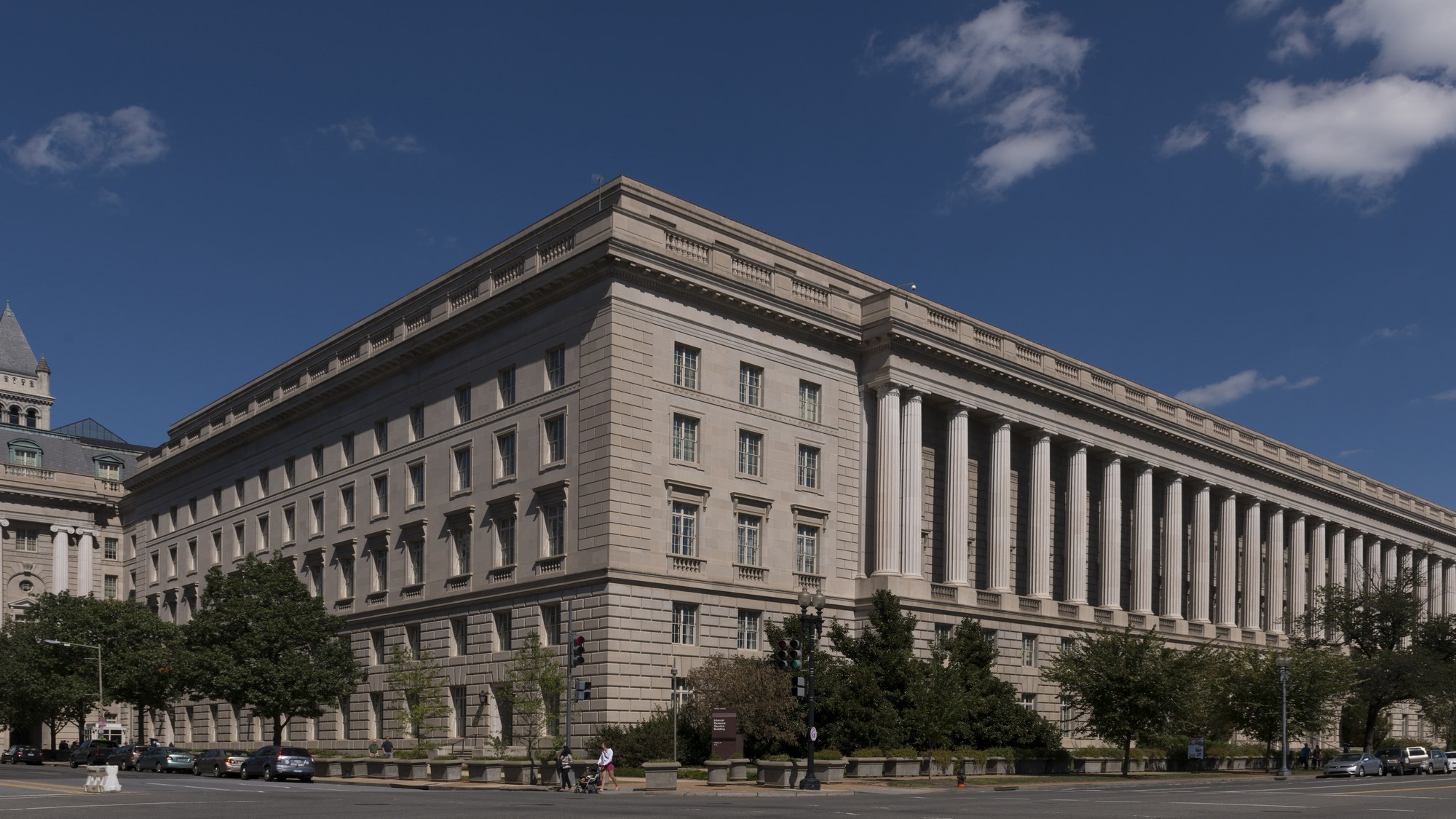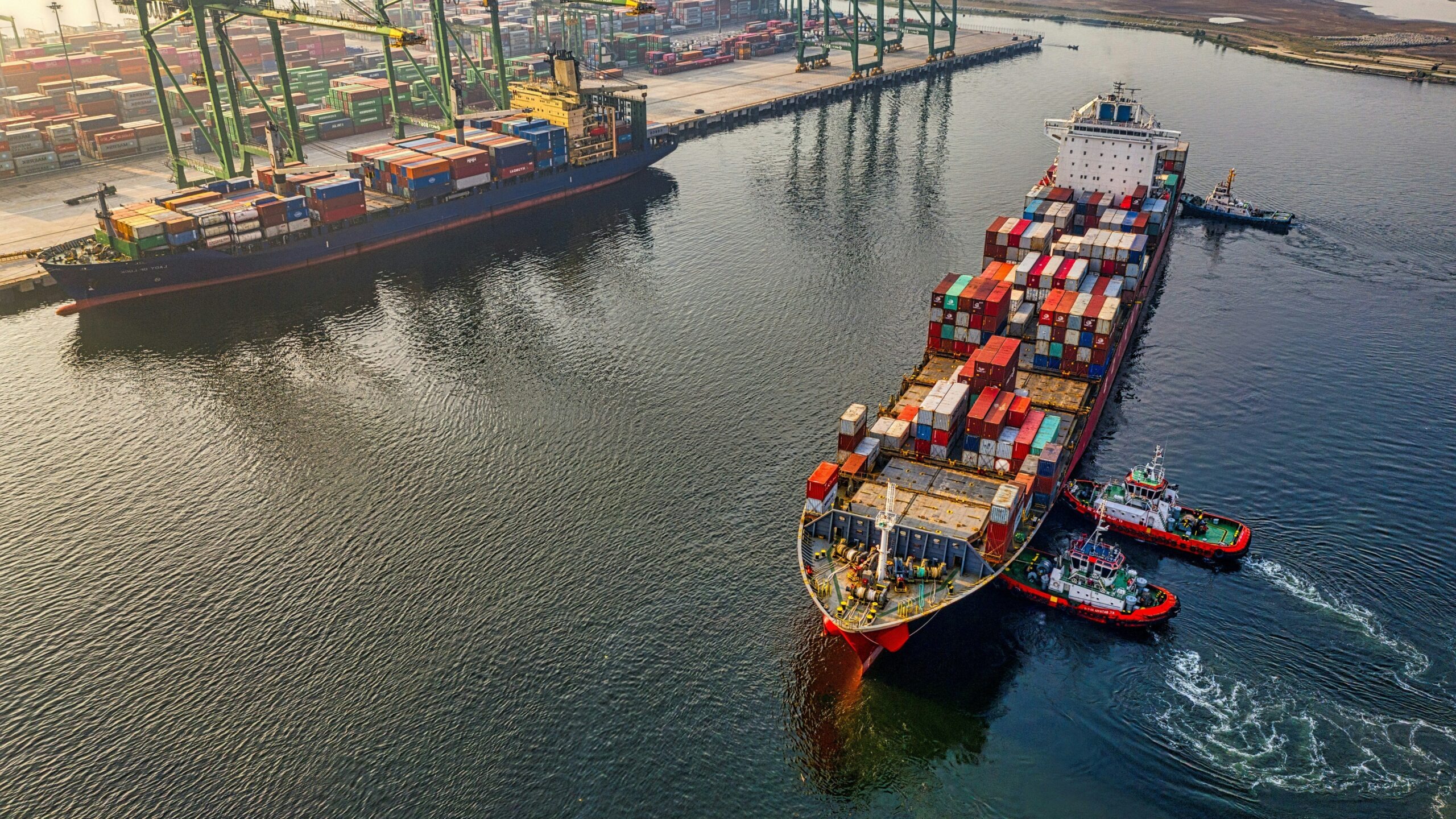
Thousands of U.S. importers that paid tariffs later struck down by the Supreme Court are stuck in a slow-moving refund process, with roughly $144 billion in duties owed back to them. The case, Learning Resources, Inc. v. Trump, settled the legal question of whether the president could impose sweeping tariffs under the International Emergency Economic Powers Act. But the ruling did not settle how fast the money would actually return. Businesses filing claims with U.S. Customs and Border Protection now face an administrative bottleneck that has little to do with the courts and everything to do with how CBP processes payments.
Why the $144 billion refund backlog matters right now
The core problem is mechanical, not legal. CBP requires all duty refunds to be issued through ACH electronic payment, according to its own refund procedures. That means any importer that has not enrolled in the ACH system cannot receive a refund at all, regardless of whether its claim has been reviewed and approved. For companies that paid tariffs over multiple years and across thousands of individual entries, enrollment is only the first step. Each entry must be matched, verified, and queued for disbursement through a system built for routine drawback processing, not for returning billions of dollars at once.
The result is a cash-flow crunch for importers ranging from small consumer-goods companies to large industrial suppliers. Many of these businesses absorbed the tariff costs or passed them to customers, and the refunds represent money that has been out of their hands for years. For firms that financed tariff payments with credit, the delay converts a legal victory into an ongoing interest expense. The longer CBP takes to process claims, the longer those businesses operate without capital they are legally owed.
The stakes extend beyond individual balance sheets. Delayed refunds can dampen investment, hiring, and inventory decisions across sectors that rely heavily on imported components. Some trade groups warn that the uncertainty around timing makes it harder to plan long-term contracts or price commitments. In effect, the unresolved backlog functions like a temporary tax that no longer has a legal basis but still constrains working capital.
What the court record and CBP filings actually show
The Supreme Court’s oral argument audio in docket 24-1287 examined the scope of presidential tariff authority under IEEPA. Justices and counsel discussed the practical consequences of invalidating tariffs that had already generated tens of billions of dollars in revenue, including questions about how refunds might be handled. But those exchanges were exploratory, focused on constitutional boundaries rather than agency logistics.
The Court’s formal disposition, reflected in the case notification for 24-1287, resolved the legality of the underlying tariffs and left implementation to the executive branch. No timeline, prioritization scheme, or reporting requirement for returning the money appears in the Court’s materials. In practice, that means CBP and related Treasury functions must translate the judgment into a refund program without detailed judicial instructions.
CBP has adopted a phased approach to processing the volume of refund claims. Businesses have begun filing, but the agency has not published data showing how many claims have been submitted, how many have been paid, or what the average processing time looks like. Reporting has highlighted that companies are actively submitting claims while facing CBP’s processing constraints and volume limitations. Without public data from CBP on disbursement progress, importers have no way to estimate when their refunds will arrive or to benchmark their own delays against systemwide performance.
Unanswered questions about CBP’s refund timeline
Several gaps in the public record make it difficult to assess how quickly the backlog will clear. CBP has not released internal staffing or capacity figures related to the refund effort, leaving observers to infer workload from anecdotal accounts. The agency’s published guidance covers how to enroll in ACH and how refunds are generally issued, but it does not address the specific volume challenge created by the Learning Resources ruling or whether temporary surge resources will be deployed.
No court filing in the docket addresses post-judgment refund administration in detail, and Congress has not yet mandated a reporting framework tailored to these repayments. That leaves importers with limited visibility into key operational questions: Are claims processed strictly in order of receipt, or are high-dollar cases triaged separately? Are contested classification issues slowing a subset of refunds, or is the primary constraint purely transactional capacity inside CBP’s payment systems?
One way to test whether the ACH enrollment requirement is the primary bottleneck, rather than legal disputes or claim verification, would be to compare the dates importers submitted claims against the dates ACH payments were actually sent. That data does not appear to be publicly available. Without it, trade lawyers and affected companies can only speculate whether delays stem from missing enrollment paperwork, under-resourced processing teams, or technical limits in CBP’s financial infrastructure.
Importers and their advisors are now pressing for more transparency. They want CBP to publish basic metrics: total claims received, total dollars approved, total dollars paid, and average time from claim submission to payment. Even coarse quarterly updates could help businesses forecast cash flows and reassure lenders that the refunds are progressing. Until that happens, the legal question answered by the Supreme Court will stand in sharp contrast to the practical reality at the ports: a refund pipeline that remains opaque, slow, and central to the financial health of thousands of U.S. firms.