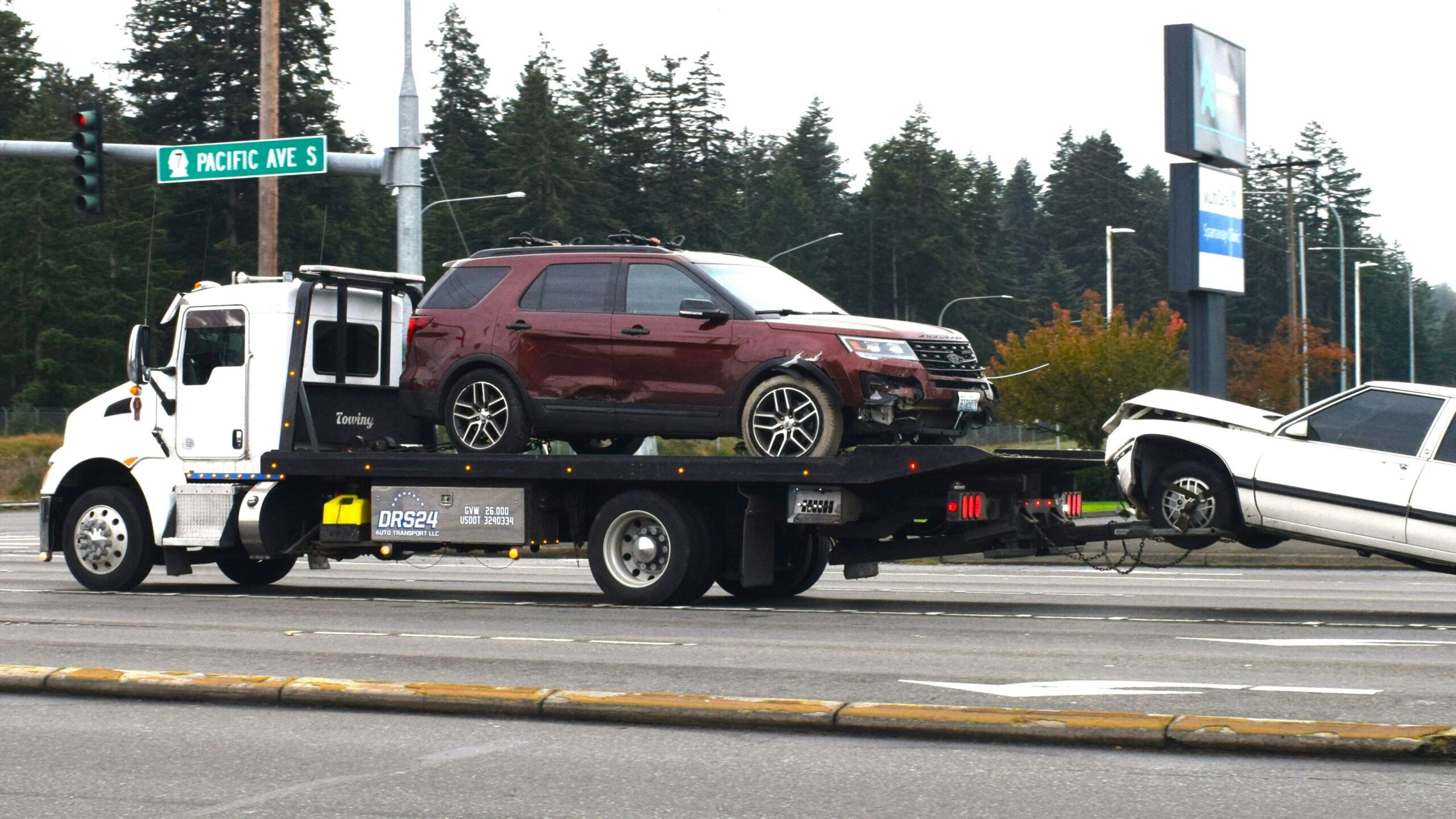
Millions of American car owners fell further behind on their loans through the third quarter of 2025, pushing auto-loan delinquency rates past every prior reading in the New York Federal Reserve’s Consumer Credit Panel, including peaks recorded during the 2008 global financial crisis. The data, drawn from Equifax credit files and published in a Federal Reserve research note in November 2025, show a post-pandemic climb that has not yet reversed. For borrowers already stretched by higher vehicle prices and elevated interest rates, the record signals a household budget squeeze that could ripple into used-car markets, lender balance sheets, and broader consumer spending.
Record delinquency rates and what they mean for borrowers
The Federal Reserve Board’s research staff published a note that tracks the share of auto balances 90 or more days past due through the third quarter of 2025. That metric, compiled from the NY Fed Consumer Credit Panel and Equifax-based data, now exceeds the levels reached during the global financial crisis, a period widely regarded as the modern high-water mark for consumer credit stress.
The climb did not happen overnight. During 2020 and 2021, stimulus payments, federal forbearance programs, and reduced spending opportunities drove delinquency rates to historic lows. As those supports expired and vehicle prices stayed elevated, missed payments began rising. The Fed note frames the current increase partly as a reversion toward pre-pandemic norms, but the speed and scale of the move have carried rates beyond that baseline and into uncharted territory for the dataset.
Younger borrowers and those with lower credit scores have absorbed the sharpest increases. The pattern suggests that households with thinner financial cushions are the first to fall behind when monthly payments climb. For anyone currently shopping for a car loan or renegotiating terms, the data point to a lending environment where lenders face growing losses and may tighten approval standards or raise rates in response.
Fed data and the GFC comparison
Two Federal Reserve data products anchor the record. The Household Debt and Credit series, which tracks 90-day auto delinquencies over time, provides the long-run trend line. The November 2025 research note layers analytical context on top of that series, noting that credit card delinquencies have also risen but that auto loans stand out for surpassing their prior cyclical peak.
The GFC comparison carries weight because auto lending in 2008 operated under different conditions: smaller average loan balances, shorter loan terms, and lower vehicle prices. The fact that today’s delinquency rate exceeds that era’s peak, even with a larger and more seasoned loan pool, points to strain that cannot be explained by population growth or broader credit access alone. The Fed researchers attribute the trend to a combination of rising balances and tighter household budgets rather than a single trigger.
One hypothesis worth tracking is that if used-car prices stabilize over the next two quarters, the rate of new delinquencies could slow even without broad income gains. Stable prices would limit the need for borrowers to roll negative equity from one vehicle into the next, reducing payment burdens for households that trade in frequently. But the same research cautions that, given how far delinquencies have already climbed, any improvement is likely to be gradual and uneven across income groups.
Implications for lenders and the auto market
For lenders, record-high delinquencies translate directly into higher charge-offs and loss provisions. Banks and specialized auto finance companies may respond by tightening underwriting standards, cutting back on longer-term loans, or demanding larger down payments from borrowers with weaker credit histories. That, in turn, could limit access to vehicle financing for exactly the households already under the most strain.
Dealers and automakers face a different set of pressures. Higher delinquencies can feed more repossessed vehicles into the used-car market, putting downward pressure on resale values. Lower used-car prices can help future buyers, but they also erode collateral values on existing loans, increasing loss severity when borrowers default. Automakers that rely heavily on captive finance arms must balance the desire to support sales with the need to protect their loan books.
Consumers who remain current on their loans are not immune to these dynamics. Tighter credit conditions can reduce promotional financing offers and raise average borrowing costs, even for relatively strong applicants. Households that might have stretched for a new vehicle at low rates may instead hold on to older cars, dampening new-vehicle demand and altering the age profile of the national fleet.
Household budgets under pressure
The broader context is one of household budgets under sustained pressure. Many families are juggling higher payments not just on auto loans but also on credit cards, rents, and other debts that reset at higher interest rates. In that environment, auto payments compete with essentials like housing, food, and healthcare. When trade-offs become unavoidable, some borrowers appear to be prioritizing other obligations over their car notes, despite the risk of repossession.
For policymakers and market participants, the message from the data is less about an imminent financial crisis and more about a slow-building drag on consumer resilience. Elevated auto delinquencies can weaken credit scores, limit future borrowing options, and constrain spending for years. Unless household incomes begin to outpace debt-service costs, the record levels now visible in the Fed’s datasets may prove less a spike than a new, more fragile normal.