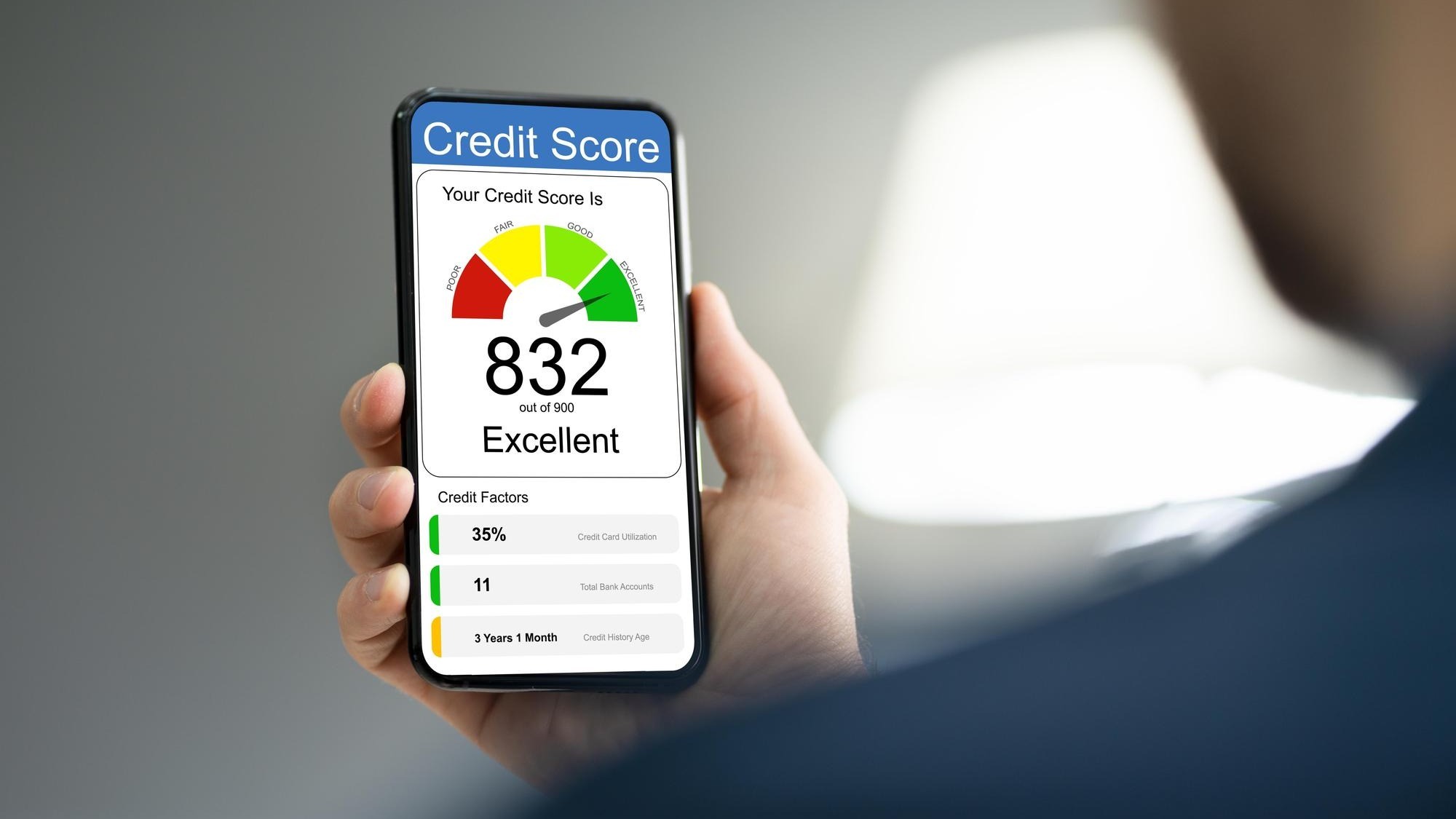
Millions of Americans who split purchases into installments through services like Affirm, Klarna, and Afterpay are facing a new reality: those transactions, long invisible to lenders, are now feeding into credit score calculations. FICO has begun incorporating buy now, pay later payment data into its scoring models after a year-long study with Affirm, a shift that could raise or lower scores for borrowers who never expected these short-term loans to appear on their credit reports.
Why BNPL reporting changes the credit equation in 2025
For years, buy now, pay later operated in a reporting blind spot. The Consumer Financial Protection Bureau has explained that most pay‑in‑four plans were not routinely reported to the major credit reporting companies. That meant a borrower could carry several active installment plans at once without any of them appearing on a traditional credit file. Lenders reviewing a mortgage or auto loan application had no way to see those obligations or to factor them into standard debt‑to‑income calculations.
FICO’s decision to build BNPL data into updated score models ends that separation. A late payment on a split‑pay purchase can now drag a score lower, and consistent on‑time payments can help build credit history. The practical tension is sharpest for heavy users. Borrowers who opened multiple BNPL accounts in 2024 could see larger score swings than someone who used the service once, even if every payment landed on time, because the new models treat a cluster of concurrent short‑term loans as a signal of higher credit utilization or risk exposure.
For consumers, that makes basic housekeeping more important. Payment dates that once felt casual-tied to a shopping app rather than a bank-now sit inside the same ecosystem that governs credit card limits, auto loan approvals, and future refinancing options. Missing a single installment can follow a borrower far beyond the original purchase window.
CFPB research and the FICO‑Affirm data trail
The evidence behind this shift comes from two directions. The CFPB’s research on how people use BNPL alongside other unsecured debt documented that these lenders have typically not reported loans to nationwide consumer reporting companies. That same work matched BNPL application and origination data with de‑identified credit records, revealing that many users carry multiple concurrent BNPL loans layered on top of credit cards and personal loans. The finding matters because it shows a pattern of borrowing that traditional credit files simply could not capture.
On the scoring side, FICO and Affirm conducted a joint study spanning roughly a year, analyzing how BNPL repayment behavior correlates with broader creditworthiness. The results fed directly into new FICO scoring models designed to read BNPL tradelines alongside conventional credit accounts. Lenders who adopt these updated models gain an earlier signal on applicants whose debt load was previously hidden. For borrowers, the consequence is straightforward: a missed BNPL payment can now be treated similarly to a missed credit card payment when a lender pulls a FICO Score, while a clean BNPL track record may modestly support a thin credit file.
Open questions about score impact and lender adoption timelines
Several gaps remain in the public record. No primary CFPB dataset yet tracks how scores have actually changed for BNPL users since FICO began integrating this data. The FICO‑Affirm study summary has not been released with matched credit‑record outcomes showing exact point‑level impacts on individual borrowers. Without that granular view, analysts cannot say with precision whether frequent but timely BNPL use tends to raise or lower scores on average, or how much weight different models assign to short‑term installment plans versus revolving balances.
There is also uncertainty around how quickly lenders will adopt the new models. Many banks and auto finance companies still rely on older FICO versions that do not recognize BNPL tradelines at all. Updating scorecards, retraining underwriting teams, and revising risk models can take years. During that transition, some applicants will be evaluated under frameworks that fully incorporate their BNPL history, while others will still be judged as if those obligations do not exist.
Policy questions are likely to follow. Regulators have already focused on disclosure, dispute rights, and late‑fee practices in the BNPL market. As credit reporting becomes more common, attention may shift to the consistency of data furnished by different providers and to whether consumers receive clear notice that their installment plans can affect mainstream credit scores. Any move to standardize reporting formats or dispute procedures would probably involve coordination among regulators, credit bureaus, and large BNPL firms.
What consumers can do now
Until more outcome data is public, the safest assumption for borrowers is that BNPL plans should be treated like any other loan. That means limiting overlapping purchases, tracking due dates closely, and linking payments to an account with stable funds rather than relying on last‑minute transfers. Consumers who are unsure how BNPL fits into their broader financial picture can start with basic federal resources on credit, debt, and consumer protections, then review the specific terms and notifications from their BNPL provider.
The promise of BNPL was simple checkout convenience. As these loans move into the credit reporting mainstream, they become part of a longer story-one that can either support or undermine a borrower’s financial future, depending on how each installment is managed.