Starting this month, roughly 7.5 million student-loan borrowers enrolled in the SAVE repayment plan will begin receiving notices from their loan servicers telling them they have 90 days to pick a different repayment option. The clock starts July 1, 2026, and anyone who does not act within that window faces automatic placement into another plan they did not choose. For borrowers who have been in forbearance since July 2024 while courts sorted out the legality of SAVE, the notices mark the first concrete deadline they have faced in two years.
Why the 90-day SAVE exit window creates immediate pressure
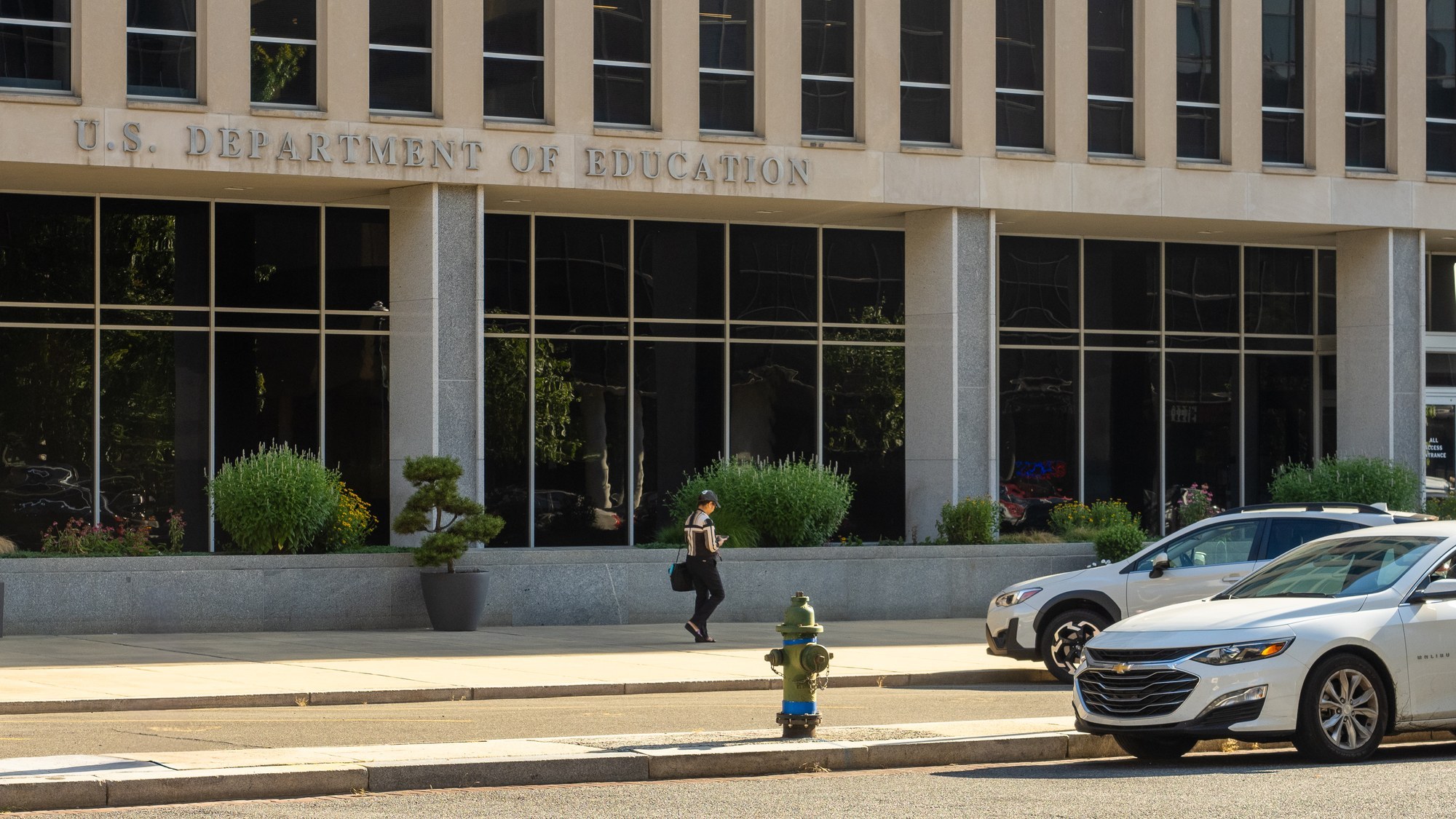
The U.S. Department of Education has said that servicers will begin issuing the notices on July 1, giving each borrower 90 days from the date of their individual letter to enroll in a legally available plan, according to a recent department update. That timeline is tight for a population that has not made a payment in roughly two years. Many of these borrowers originally chose SAVE because it offered the lowest monthly bills among income-driven repayment options, and the alternatives now on the table will, in most cases, require higher payments.
The replacement options taking effect the same day include the new Repayment Assistance Plan, or RAP, created by P.L. 119-21, and a Tiered Standard plan. Both were outlined in a broader repayment restructuring described in a federal fact sheet. Borrowers whose incomes sat just above the old SAVE forgiveness thresholds are likely to feel the sharpest jump in monthly obligations under RAP, because the new formula does not shield as large a share of discretionary income. That gap could push many toward whichever remaining income-driven plan still offers the most protection, potentially straining servicer capacity if millions move at once.
Servicers will be required to spell out the projected payment amounts under each plan a borrower is eligible for, but the letters will arrive in waves. Some borrowers will receive their notices early in the summer, while others may not see them until later in the year, depending on when their accounts are processed. The 90-day window is tied to the date on each individual notice, not a single nationwide cutoff, which means neighbors with similar loans could face different decision deadlines.
For borrowers who ignore the mailings or feel too overwhelmed to respond, the consequences are significant. After 90 days, servicers will move those accounts into a default backup plan, likely RAP or the Tiered Standard option, based on the borrower’s current income documentation. Monthly payments could rise sharply compared with what SAVE required, and borrowers who miss the first bill in their new plan will quickly fall delinquent after two years of not having to budget for payments at all.
Settlement terms and the federal timeline behind the notices
The notices trace back to a December 9, 2025 settlement between the Department of Education and the state of Missouri. Under that agreement with Missouri, pending court approval, the department committed to ending the SAVE plan entirely, halting new enrollments, denying pending applications, and migrating existing borrowers into other repayment structures. In announcing the deal, the department described SAVE as an unlawful plan, echoing the language used by states that challenged it in court.
Between the settlement and the July 1 launch of new plans, borrowers remained in a holding pattern. Litigation had already placed SAVE enrollees into administrative forbearance starting in July 2024, which paused required payments and interest accrual but also froze progress toward eventual loan forgiveness. The 90-day notice period is the mechanism the department chose to end that pause without forcing an abrupt restart, giving borrowers a defined but limited opportunity to compare options before money is due again.
The timeline also reflects political and legal calculations. By waiting until mid-2026 to unwind SAVE in practice, the department created space to design and finalize replacement plans like RAP that could withstand the legal theories used to knock down SAVE. At the same time, the settlement terms bound the agency to move decisively once the new structure was ready, which is why millions of notices are landing in mailboxes and inboxes at once.
What borrowers can do during the transition
Consumer advocates and financial-aid counselors are urging borrowers to treat the 90-day window as a hard deadline, not a suggestion. The most basic step is to open every email and letter from a loan servicer and confirm that contact information, income data, and family size are up to date. With that information current, borrowers can use servicer calculators or federal tools to estimate monthly payments under RAP, Tiered Standard, and any remaining income-driven plans for which they qualify.
Borrowers who anticipate hardship under the new formulas can still request short-term forbearance or deferment, but those options typically allow interest to accrue and do not count toward forgiveness clocks. For many, the more sustainable strategy will be to select the plan that keeps payments manageable over the long term, even if it means higher total interest costs compared with SAVE.
Advocates also warn that long call-center wait times and website glitches are likely as the notices go out. They recommend starting the comparison process as soon as a notice arrives rather than waiting until the final weeks of the 90-day period, when millions of others may be trying to log in or call at the same time. For borrowers who act early, the transition away from SAVE will still be painful, but it will be less chaotic than letting the clock run out and waking up in a plan they never chose.