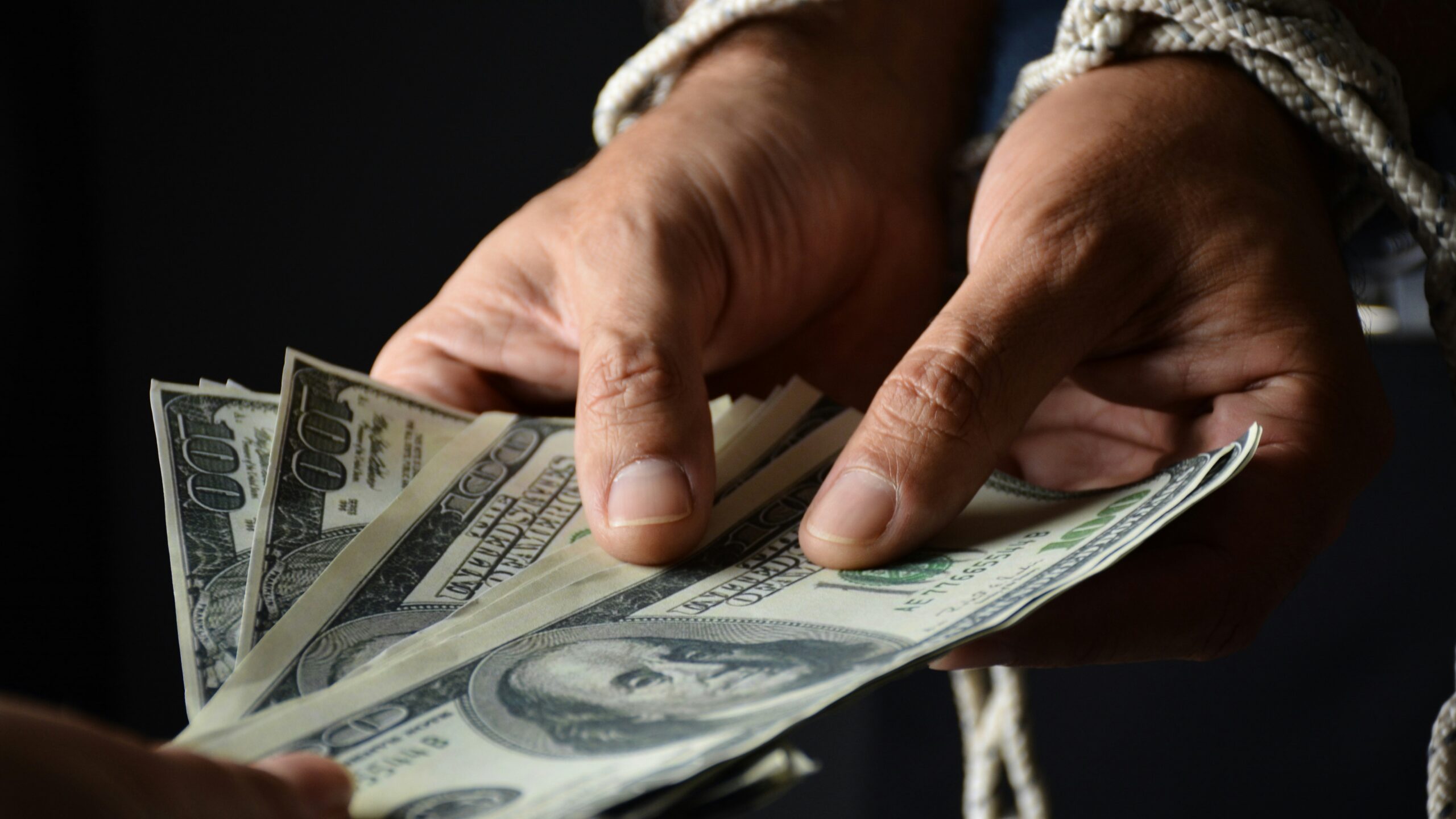
Catalina Corona, a personal assistant to an elderly married couple on Long Island, pleaded guilty to wire fraud after stealing approximately $10 million from her employers over a span of roughly seven years. The scheme, which ran from about 2017 to 2024, involved hundreds of forged checks and direct transfers from the couple’s accounts. The case, filed in the U.S. District Court for the Eastern District of New York under case number 1:25cr78, stands as one of the largest single-victim caregiver exploitation prosecutions in recent federal records.
Why Corona’s guilty plea exposes a gap in elder fraud detection
Corona’s scheme lasted approximately seven years before it was stopped. That timeline is striking because the method was not sophisticated. She wrote hundreds of checks payable to herself or to cash, forged her employers’ signatures, and deposited or cashed the proceeds. No shell companies, no offshore accounts, no digital laundering. The simplicity of the fraud is part of what made it durable. As a trusted household employee, Corona had routine access to the couple’s checkbooks and financial records, which meant each individual transaction could pass without triggering the kind of scrutiny that a stranger’s activity would invite.
The Department of Justice’s Elder Justice Initiative classified this matter as caregiver or relative-type exploitation. That category carries a specific pattern: the person committing the fraud already occupies a position of trust, which lowers the bar for concealment. A forged signature on a personal check does not require the same planning as hacking a bank account or fabricating investment returns. The result is that these schemes can run for years at a steady pace, draining savings incrementally while the victims, often elderly and reliant on the very person stealing from them, have limited ability to detect the loss on their own.
In its elder abuse case materials, the Initiative describes how caregiver exploitation frequently involves access to checkbooks, online banking credentials, or debit cards that are handed over for convenience and then misused. The Corona case closely tracks that pattern: a helper hired to manage household tasks gradually assumes control of routine financial transactions, and over time those transactions begin to include unauthorized checks, withdrawals, and transfers that are hard for outsiders to distinguish from legitimate expenses.
Forged checks and wire fraud: the federal record against Corona
According to the U.S. Attorney’s Office for the Eastern District of New York, Corona admitted in open court that she systematically stole from the couple by writing checks to herself and to cash, then forging the victims’ signatures. The total loss reached approximately $10 million. Funds were also transferred directly from the victims’ accounts, according to the government’s description of the scheme.
The wire fraud charge to which Corona pleaded guilty carries a significant statutory maximum term of imprisonment, along with potential supervised release and mandatory restitution. At this stage, public filings and press releases do not yet specify the advisory sentencing guideline range, any recommendation from prosecutors, or the precise restitution figure that will be ordered. Those details typically appear later in a sentencing memorandum and final judgment, which had not been released at the time of the most recent announcements.
The victims are described in federal documents only as an elderly married couple residing on Long Island. Their names, ages, and specific health conditions have not been disclosed in the charging or plea announcements. That absence of detail matters because cognitive or physical decline often plays a role in how long caregiver fraud goes undetected, but the court record as released does not confirm those circumstances for this case. What is clear is that the couple relied on Corona for assistance and that this reliance gave her the opportunity to access and exploit their finances over an extended period.
More granular information about the pattern of theft-such as the size of individual checks, whether the amounts escalated over time, and when the first suspicious transaction occurred-remains summarized only at the aggregate level. The available record indicates repeated unauthorized withdrawals and transfers, but not the precise cadence of those losses year by year.
Sentencing, restitution, and what families should watch for
Several questions remain open as the case moves toward sentencing. The court has not yet publicly set out how much of the approximately $10 million loss might be recoverable through restitution or asset forfeiture. It is also unclear whether any banks, insurers, or other third parties will absorb part of the loss, or whether the elderly couple will be left bearing the full financial impact. Those answers will likely emerge in future filings and hearings.
Even with those unknowns, the Corona prosecution underscores recurring themes in elder financial abuse. The Elder Justice Initiative emphasizes that exploitation often begins with small, seemingly benign transactions that gradually expand in size and frequency. Family members may not notice anything unusual until a major purchase is declined, a tax bill arrives, or a professional advisor spots irregularities in account statements.
Advocates and prosecutors point to several practical safeguards that families can use without undermining an older adult’s independence. Those include having more than one person review monthly bank and credit card statements, setting up automatic alerts for large withdrawals or transfers, and arranging periodic consultations with a trusted attorney or financial planner. Powers of attorney and other legal tools can be structured to require dual signatures for major transactions, adding an extra layer of oversight when substantial sums are at stake.
The Corona case is also a reminder that background checks and initial vetting of caregivers, while important, are not enough on their own. Trust can be misplaced even after years of seemingly reliable service. Ongoing monitoring of both care quality and financial activity is critical, particularly when a caregiver is handling mail, bills, or online banking tasks. For older adults and their families, the goal is not to treat every helper as a suspect, but to design systems in which no single person can move large amounts of money without someone else noticing.
As sentencing approaches in the Eastern District of New York, the outcome will be closely watched by elder justice advocates who see the Corona prosecution as a test of how the federal system responds when a single caregiver’s fraud wipes out a lifetime of savings. Whatever penalty the court ultimately imposes, the case has already become a cautionary example of how quickly trust, once abused, can translate into devastating financial loss for older Americans.
Free tool for readers: Not sure whether your own retirement is on track? You can check your free Retirement Safety Score — a 0–100 number plus a few personalized steps — in about five minutes, with no sign-up required to see your score.