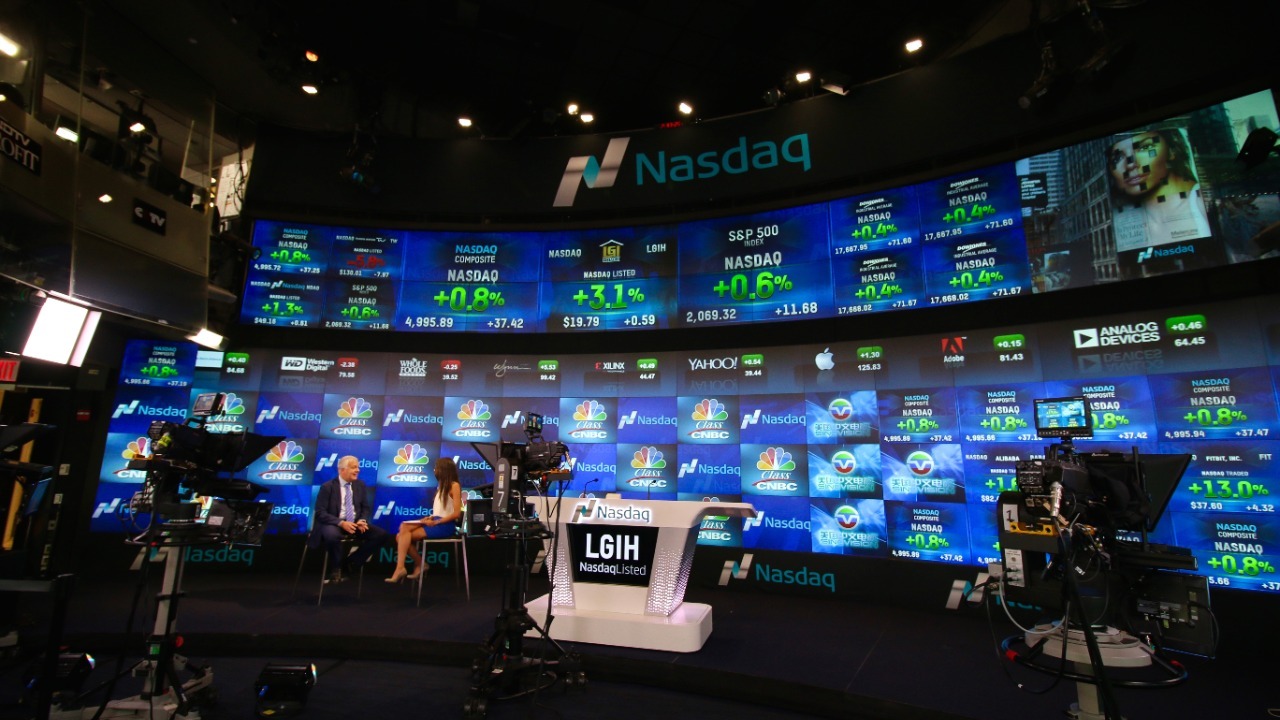
NEW YORK – Wall Street delivered a split-screen session on May 13, 2026. The S&P 500 climbed roughly 0.6% to close at a fresh record, and the Nasdaq Composite surged about 1.2% to its own all-time high. But the rally ran headlong into a pair of troubling data points: wholesale inflation reportedly running near 6% annually and Treasury yields hitting their highest marks of the year.
The contradiction was hard to miss. Stocks were celebrating while the bond market and federal inflation data were flashing caution. And beneath the surface of those record closes, the rally was narrower than it looked. What drove equities higher despite the macro headwinds? Market participants pointed to continued momentum in mega-cap technology names, though no single catalyst fully explained why stocks shrugged off the inflation data.
A wholesale inflation report that is hard to dismiss
Before the opening bell, the Bureau of Labor Statistics published its Producer Price Index report for April. The headline number was striking: final demand prices reportedly jumped approximately 1.4% for the month, pushing the 12-month rate to roughly 6.0%, according to the BLS release. Goods prices led the way, rising an estimated 2.0%, while services climbed about 1.2%.
Even a narrower core measure that strips out food, energy, and trade services reportedly rose around 0.6% for the month, suggesting that price pressures extend well beyond volatile commodities. For perspective, the Federal Reserve targets 2% annual inflation at the consumer level. A wholesale reading near 6% upstream makes that goal significantly harder to reach without keeping interest rates elevated.
April’s report did not land in isolation. It followed months of stubbornly high input costs that have complicated the narrative of steadily cooling inflation. The PPI program tracks prices across thousands of industries and is one of the earliest inflation signals that policymakers and traders watch each month.
Bond market sends its own message
Treasury Department data confirmed that benchmark yields reached their highest levels of 2026 on May 13. The 10-year Treasury note, the reference rate for mortgages and corporate borrowing, settled at its peak closing yield of the year. The 2-year note, which tracks near-term Fed policy expectations more closely, also hit a 2026 high.
Higher yields ripple through the real economy quickly. Mortgage rates, auto loan costs, and corporate debt expenses all move in tandem. In effect, the bond market is tightening financial conditions on its own, even without a formal rate increase from the Federal Reserve.
The move also reflects a sharp repricing of expectations. Earlier in 2026, fed funds futures tracked by the CME FedWatch tool had priced in multiple rate cuts before year-end. A wholesale inflation print near 6% makes that timeline much harder to defend. Bond investors are now demanding more compensation to hold longer-duration government debt, betting that the Fed will need to keep policy restrictive longer than markets had hoped.
Record highs built on a narrow foundation
The index-level records deserve an asterisk. On May 13, most individual stocks actually declined. The gains that pushed the S&P 500 and Nasdaq to new peaks were concentrated in a small group of mega-cap companies.
Both indexes are weighted by market capitalization, which means trillion-dollar names like Apple, Microsoft, Nvidia, Amazon, and Alphabet exert outsized influence on the final number. When a handful of those stocks rally hard enough, they can drag an entire index higher even as the majority of components fall.
For everyday investors, that distinction matters. A portfolio that is not heavily concentrated in the largest tech names may not have participated in the day’s gains at all. And narrow leadership cuts both ways: a stumble by even one or two mega-cap stocks could erase the record closes in a single session.
This pattern has defined much of the 2025-2026 bull run. Whether the concentration reflects genuine earnings power at the top of the market or a defensive huddle into perceived safe havens during macro uncertainty remains an open debate among strategists. “When breadth is this thin, the index can mask a lot of underlying stress,” as several market commentators have noted in recent weeks, though no specific analyst addressed the May 13 session publicly before the close.
What the Fed has not said yet
The most important voice was absent on May 13. No Federal Reserve governors or regional bank presidents issued public commentary addressing the day’s inflation data or yield spike. The fed funds rate, which the Fed has held in restrictive territory throughout much of 2025 and into 2026, remains the central tool for managing inflation expectations. The next scheduled policy meeting will be the first formal opportunity for the central bank to signal whether a wholesale inflation reading near 6% changes its rate outlook.
Until then, equity and bond markets are telling two very different stories. Stocks are pricing in continued growth and earnings resilience. Bonds are pricing in persistent inflation and tighter-for-longer monetary policy. Both cannot be right indefinitely.
When records and warnings arrive on the same trading day
Days like May 13 are uncomfortable precisely because they resist a clean narrative. The S&P 500 and Nasdaq set records. Wholesale inflation ran at roughly triple the Fed’s target. Treasury yields signaled that borrowing costs are heading higher, not lower. And the rally that produced those records was driven by a shrinking group of stocks while most of the market lost ground.
None of that means a correction is imminent. But it does mean the gap between what stock indexes are saying and what inflation and bond data are showing is wider than it has been in months. How long that gap persists, and which side eventually closes it, will likely depend on whether the next round of economic data confirms the inflation warning or gives the Fed room to ease.