The typical savings account in the United States pays about 0.38 percent a year, a number that has barely moved even as top accounts pay more than ten times as much. At the same time, consumer prices are rising at roughly 3.5 percent. Put those two figures side by side and the problem is plain: money sitting in an average savings account is losing purchasing power every month it stays there. For retirees who keep a large share of their wealth in cash for safety, that quiet erosion is a real cost, not a technicality.
Two numbers that do not match
A savings account is supposed to be the safe place where cash holds its value between the moment it is deposited and the moment it is spent. Whether it does that depends on a simple comparison. If the account pays less than the rate at which prices are rising, the balance buys less over time even though the dollar figure stays the same or ticks up slightly. The gap between what the average account pays and how fast prices climb is where value leaks out.
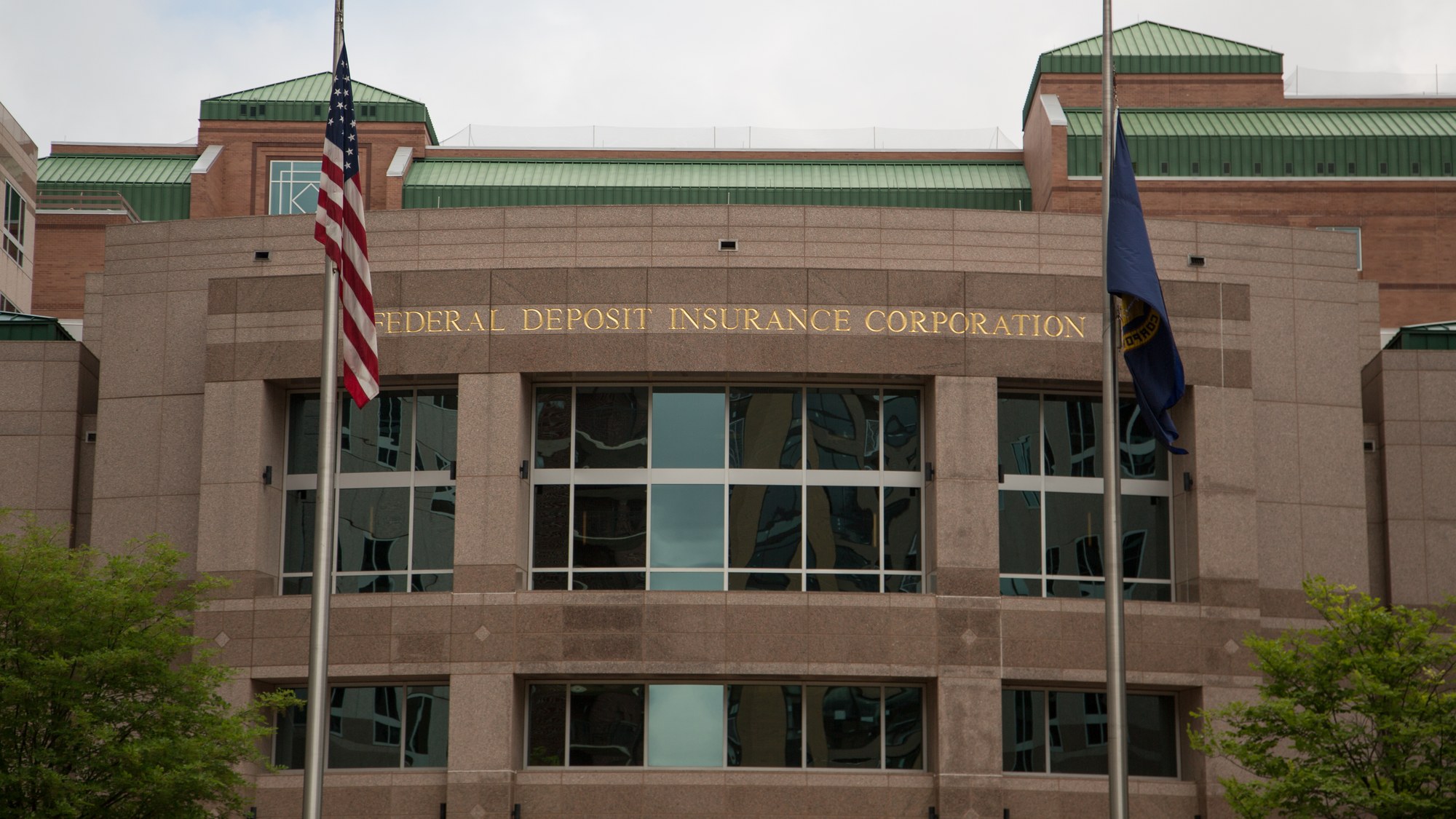
Those two numbers are currently far apart. The national average savings rate sits at about 0.38 percent, according to the FDIC’s weekly national rate data. Consumer inflation, meanwhile, ran near 3.5 percent over the year through June, based on the Consumer Price Index reported by CNBC from the latest release. A balance earning 0.38 percent against prices rising 3.5 percent falls behind by roughly three percentage points a year in real terms.
Free for readers: Want plain-English help keeping more of your money in retirement? The free Retirement Shield newsletter covers scams, benefits, and money you’re owed, a couple times a week. Subscribe free.
What the gap costs in dollars
The percentages turn into real money quickly on the balances retirees often hold. Consider $30,000 kept in an average savings account earning 0.38 percent. Over a year that balance generates about $114 in interest. Prices rising at 3.5 percent, however, raise the cost of the same goods and services by roughly $1,050 on a $30,000 basket. The account holder ends the year with a bigger number on the statement and less buying power in practice.
That shortfall repeats every year the cash stays parked at the average rate. It does not announce itself with a fee or a notice, which is what makes it easy to miss. A retiree can watch a savings balance hold steady and reasonably assume the money is safe, while the cost of groceries, utilities, and medical care keeps climbing past what the account earns. Safety of the principal and preservation of its value are not the same thing, and the average account delivers only the first. Compounded across a retirement that can span decades, the yearly drag becomes a serious dent in a fixed pool of savings. Money meant to last twenty or thirty years cannot afford to lose ground to inflation in every one of them.
Why the average stays so low
The national average is weighted down by the largest banks, which hold enormous deposit balances and pay some of the thinnest rates in the market. Many households leave their savings at the same bank that handles their checking, and those institutions have little competitive pressure to raise yields when customers rarely move their money. The result is an average that lingers near a fraction of a percent even in a period when the safest accounts elsewhere pay far more.
The alternative accounts are not exotic. High-yield savings accounts at online banks and many credit unions have been paying well above 4 percent, and they carry the same federal insurance as any brick-and-mortar bank. The difference between 0.38 percent and a competitive rate is not a difference in risk. It is a difference in which institution holds the deposit, and whether the saver has compared the options or simply defaulted to a longtime bank.
What savers can do about it
Closing the gap starts with knowing the actual rate on the current account, a figure many people have never checked. Comparing that number against inflation shows whether the money is holding its ground or slipping. From there, moving cash to a federally insured high-yield savings account or a certificate of deposit can lift the yield toward or past the inflation rate without adding market risk.
The insurance protection travels with the move. FDIC deposit insurance covers up to $250,000 per depositor, per insured bank, per ownership category, and it applies to savings accounts, money-market deposit accounts, and CDs alike. A saver who shifts an emergency fund from a 0.38 percent account to a competitive one keeps the same safety while dramatically improving what the balance earns. For cash that will not be needed for a year or more, a CD can lock in a higher fixed rate. The transfer itself is routine. Opening a high-yield account and moving funds electronically usually takes days, not weeks, and the original bank account can stay open for direct deposits and bill payments. Nothing about the switch requires giving up the convenience of a longtime bank.
The measure worth tracking
The single most useful habit is checking the account’s rate against the current pace of inflation once or twice a year. The Consumer Price Index that anchors the 3.5 percent figure is published monthly by the Bureau of Labor Statistics, giving a running read on how fast prices are climbing. When a savings rate sits far below that pace, the balance is quietly losing value, and the fix is within reach.
For retirees in particular, this is one of the clearest money decisions available. It requires no market timing and no acceptance of risk, only a comparison and a transfer. Leaving cash in an average account paying 0.38 percent while prices rise near 3.5 percent means accepting a steady loss that a competitive, fully insured account would erase. The numbers make the case on their own.
This article was produced with AI assistance and reviewed before publication.
Free for readers: Every year, billions in settlements and unclaimed money go unclaimed. Our free Retirement Shield newsletter sends the real ones — with deadlines — a couple times a week. Get the free newsletter.