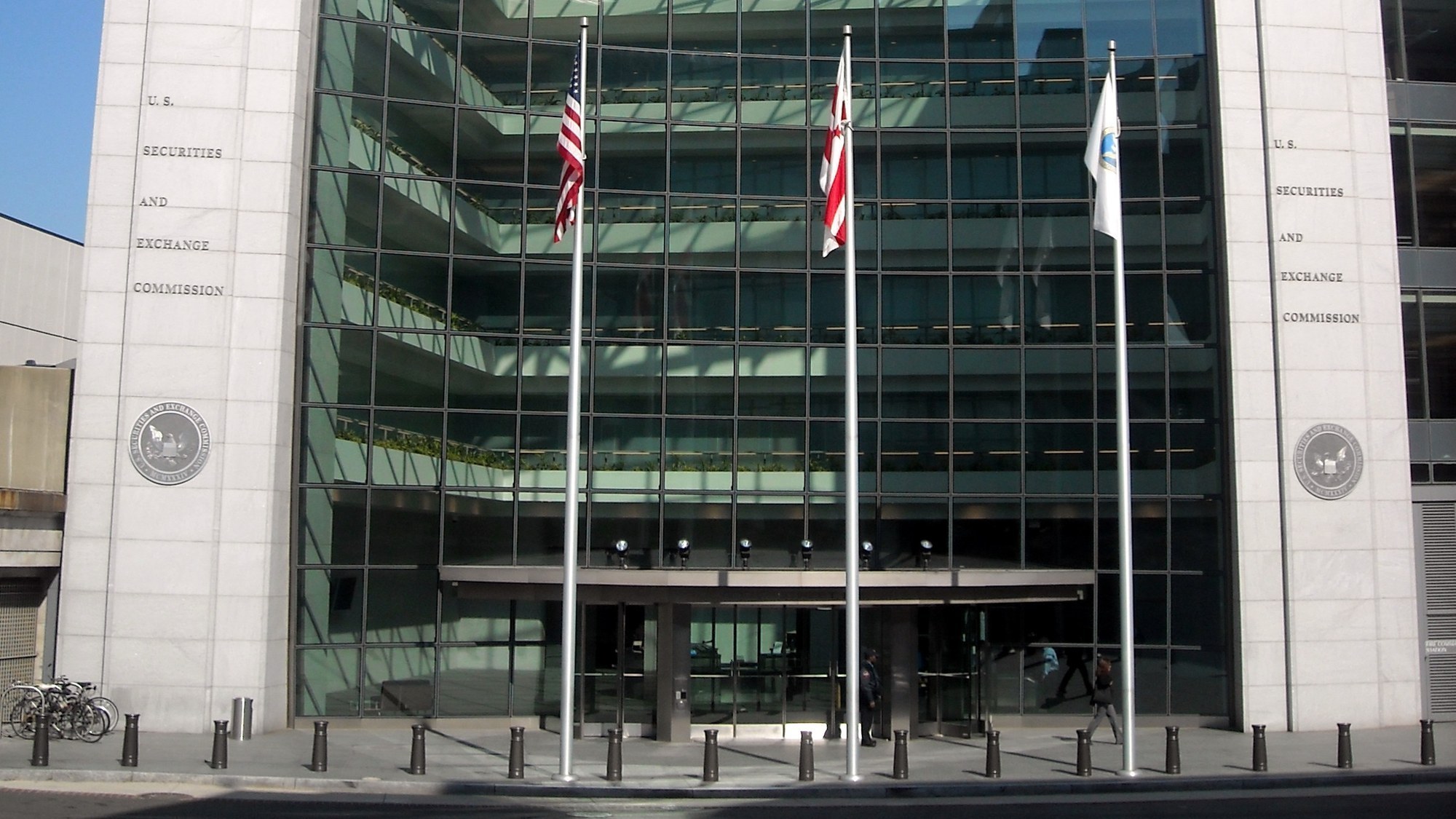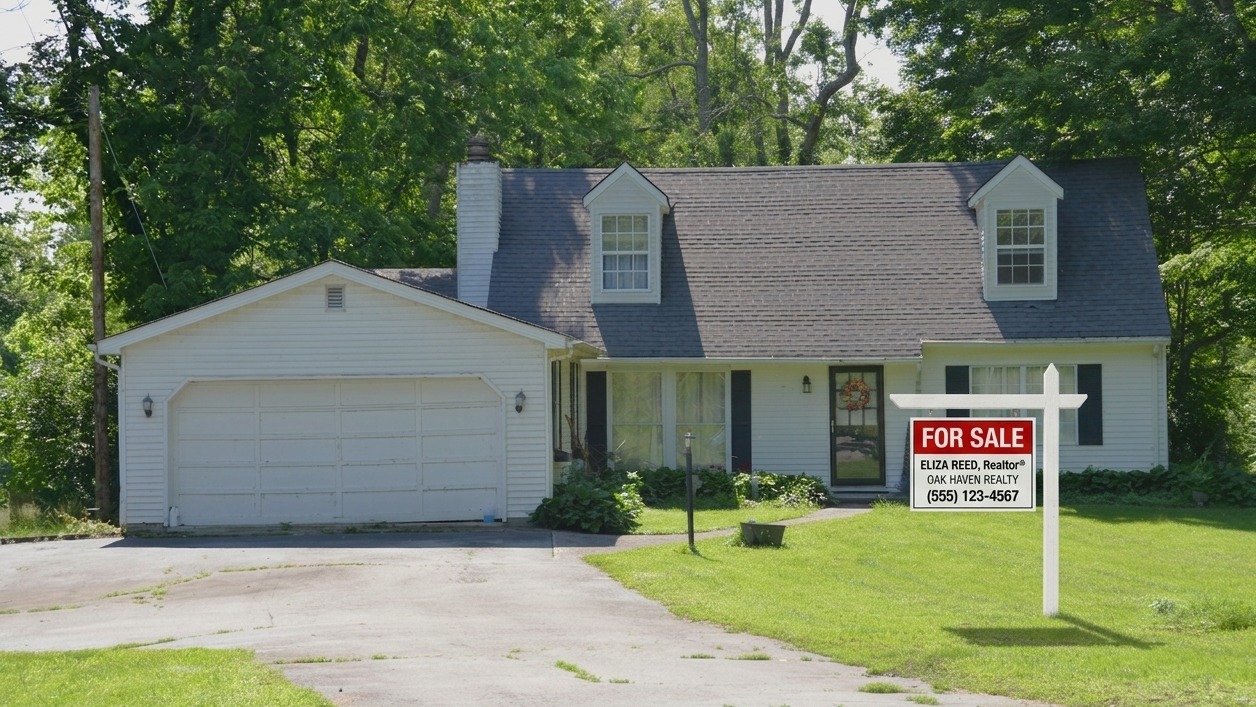
Federal prosecutors have charged three men in a scheme that allegedly stole the identities of real property owners, forged the paperwork to sell land those owners never agreed to part with, and laundered roughly $1.5 million in proceeds. The Justice Department says the group hunted for vacant parcels across four states, then used counterfeit identification to convince real estate professionals the imposters were the true owners. For older Americans who hold onto family land or a second lot for years, the case is a warning that a quiet, mortgage-free property can be a target precisely because no one is watching it closely.
The Alleged Deed-Fraud Scheme Across Four States
According to the U.S. Attorney’s Office for the District of Massachusetts, Moshe Levi, 57, of Carrollton, Texas, was charged with wire fraud conspiracy and money laundering conspiracy, while Kyon James, 44, of Middleboro, Massachusetts, and Bradley Beauge, 41, of Somerset, New Jersey, were each charged with money laundering conspiracy. Prosecutors allege the group searched for vacant, unencumbered parcels in Massachusetts, Georgia, Indiana, and Tennessee, meaning land with no mortgage and no occupant to raise an alarm. The men are then accused of creating email and internet-telephony accounts and obtaining forged driver’s licenses and passports in the real owners’ names, using those false identities to persuade real estate professionals to list and close sales of property the imposters did not own. The government says one defendant defrauded owners of about $1.5 million, and that all three laundered the proceeds between June 2023 and June 2024. The three were arrested on July 16, 2026. The charges are allegations, and each defendant is presumed innocent unless and until proven guilty.
Free retirement updates: Scam calls targeting retirees change every week. Our free Retirement Shield newsletter flags the ones going around and the one tell that stops each. Sign up free.
Why Vacant, Paid-Off Land Is the Target
The choice of property in this alleged scheme was not random. Land that is vacant, fully paid off, and rarely visited offers a would-be fraudster the two conditions a deed theft needs: no lender holding a lien that must be cleared, and no resident who would notice a for-sale sign or a stranger showing the lot. Retirees and older owners are overrepresented among the people who hold this kind of property, whether it is inherited family land, a lot bought decades ago, or a parcel next to a longtime home. Because the true owner is not living on the land, the first sign of trouble can arrive only after a sale has closed and the money has moved.
A forged deed does more than transfer a title on paper. Once an imposter appears to own a parcel, that fake ownership can be used to sell the land outright or to borrow against it, saddling a property the real owner still believes is theirs with a sale or a loan they never authorized. Unwinding that after the fact means proving the forgery, challenging a transaction that may already involve an innocent buyer or lender, and often hiring a lawyer, all of which takes time and money that a fixed income does not easily absorb.
The alleged spread across Massachusetts, Georgia, Indiana, and Tennessee also shows why this kind of scheme is hard to catch quickly. By operating in several states at once, the group described in the charges could target isolated parcels far from where the real owners live, reducing the odds that a neighbor or a passing owner would notice a sale in progress. The forged licenses and passports were the tools that made the imposters look legitimate to the real estate professionals who listed and closed the deals, and those professionals had no obvious reason to doubt an apparent owner holding what looked like valid identification. That gap between a convincing forgery and a genuine title is exactly the space these prosecutions are meant to close.
Guarding a Property Against Title Theft
Owners are not powerless against this pattern. Many county registries of deeds now offer free property-recording alerts that notify an owner by email whenever a document is filed against a parcel, which is the fastest way to catch a forged deed before it is used to sell or mortgage the land. Checking the recorded owner of a property periodically, keeping the tax bills and mailing address current so notices actually arrive, and treating any unexpected mail about a sale or refinance as a red flag are all low-cost defenses. Anyone who suspects a deed has been forged or a property fraudulently transferred can report it to the FBI’s Internet Crime Complaint Center, which collects real estate and identity-fraud reports and routes them to investigators. The federal charges announced in Massachusetts describe how professional this kind of operation can be, from counterfeit passports to laundered proceeds, and how much of the damage lands on owners who never knew their land was for sale.
This article was researched and drafted with AI assistance and reviewed against the linked primary sources.
More Financial Reading
- Bank statements: how long to keep them and when to toss them
- Adding someone to your bank account: tax traps and smart moves