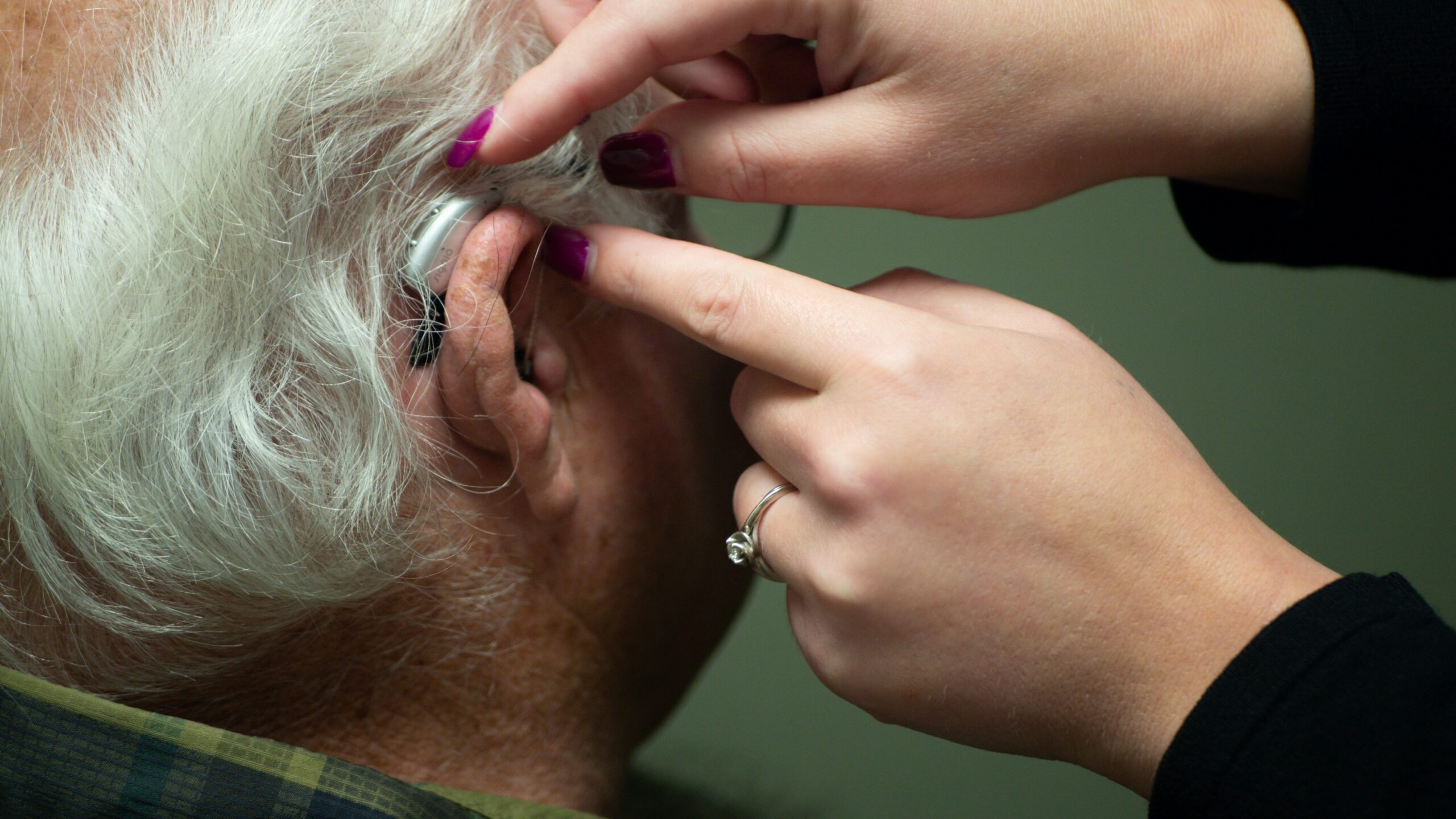
One of the most expensive surprises in retirement is discovering that Original Medicare pays nothing for the everyday care of teeth, eyes, and ears. Part A and Part B were built around hospital stays and doctor visits, and they leave out most routine dental work, eye exams for glasses, and hearing tests along with the hearing aids that follow. For an older household that assumed a lifetime of payroll taxes bought comprehensive coverage, the gap can mean thousands of dollars a year paid entirely out of pocket.
Where Original Medicare Draws the Line
The exclusions are written plainly into the program. Original Medicare does not cover most dental care, including cleanings, fillings, extractions, dentures, or the routine exams that catch problems early. The same boundary applies to sight: routine eye exams for prescribing glasses or contacts are not covered, and neither is most eyewear. Hearing follows the identical pattern, with routine hearing exams and hearing aids left off the list. A person can pay Medicare premiums faithfully for decades and still receive a full bill at the dentist, the optometrist, and the audiologist.
Free retirement updates: Knowing what Medicare will and will not pay is one of the simplest ways to keep more money in retirement. The free Retirement Shield newsletter breaks the rules down in plain English. Get the free newsletter.
The Bills That Catch Retirees Off Guard
The dollar figures behind these gaps are what make them painful. A single crown can cost more than a thousand dollars, a root canal several hundred to well over a thousand, and a full set of dentures several thousand; replacing one tooth with a dental implant commonly runs into the thousands on its own. Prescription glasses land in the hundreds, and a pair of hearing aids frequently costs several thousand dollars, since Original Medicare covers none of it. Because these needs tend to arrive together in later life, a retiree can face all three expenses in the same year — a reality that turns a fixed budget upside down. The exclusions also extend to the fittings, adjustments, and follow-up visits that these devices require, not just the devices themselves. The predictable result is avoidance: a large share of older adults report skipping dental care or postponing a hearing aid purely because of cost, allowing small problems to grow into larger and more expensive ones.
The Narrow Exceptions Worth Knowing
The rules are not absolute. Medicare will pay for dental, vision, or hearing services when they are tied to a covered medical problem rather than routine maintenance. It covers a dental exam that is a required part of preparing for certain surgeries, for instance, and it covers eye care connected to a medical condition such as cataract surgery, glaucoma testing for high-risk patients, or diabetic retinopathy screening. On the hearing side, a diagnostic hearing or balance exam ordered by a doctor to investigate a medical issue can be covered, even though the routine test for fitting an aid is not. The distinction is always the same: medical treatment can qualify, while routine care and the devices that improve daily life generally do not.
A few of these exceptions carry real dollar value. After cataract surgery that implants an intraocular lens, Medicare will help pay for one pair of corrective eyeglasses or contact lenses — one of the only moments the program contributes toward eyewear at all. Certain implanted hearing devices, such as cochlear implants and bone-anchored hearing aids, are treated as prosthetic devices rather than ordinary hearing aids and can be covered when a doctor determines they are medically necessary. And jaw or facial reconstruction required after an accident, a tumor, or disease can be covered even though it involves the teeth. The dividing line is never the body part but whether the service treats a medical condition or simply maintains everyday function.
A Coverage Gap Written Into Medicare’s Origins
The omission is not an oversight lawmakers keep meaning to fix; it was built into the program from the start. The 1965 law that created Medicare specifically barred payment for routine dental services, and that statutory exclusion has never been repealed. Vision and hearing benefits were left out on the same logic — that the program would concentrate on acute medical and hospital care rather than the maintenance costs of daily living. Proposals to add a dental benefit have surfaced repeatedly over the decades and have consistently been stripped out of larger bills before passage, most recently when a Medicare dental, vision, and hearing expansion was dropped from a major spending package during negotiations. The upshot is that the gap is durable: a retiree planning for the years ahead should treat these costs as a permanent feature of Original Medicare, not a temporary shortfall likely to be patched.
How Retirees Close the Gap
Because the exclusions are structural, most older Americans who want this coverage have to build it separately. Many Medicare Advantage plans bundle in dental, vision, and hearing benefits, which is a large part of their appeal, though those benefits often carry annual dollar caps and network restrictions that limit how far they stretch. Others buy stand-alone dental or vision policies, set aside cash for the predictable costs, or use community programs and dental schools that offer lower-cost care. Whatever route a household chooses, the planning starts with an accurate expectation: under Original Medicare, the annual cost of keeping teeth, eyes, and ears in good shape lands on the beneficiary, and budgeting for it in advance is far cheaper than being ambushed by the bill.
This article was researched and drafted with the assistance of AI and reviewed by The Financial Wire editorial team.
More Financial Reading
- How many CDs can you park at 1 bank? FDIC rules you must know
- The ideal retirement withdrawal rate so your savings actually last