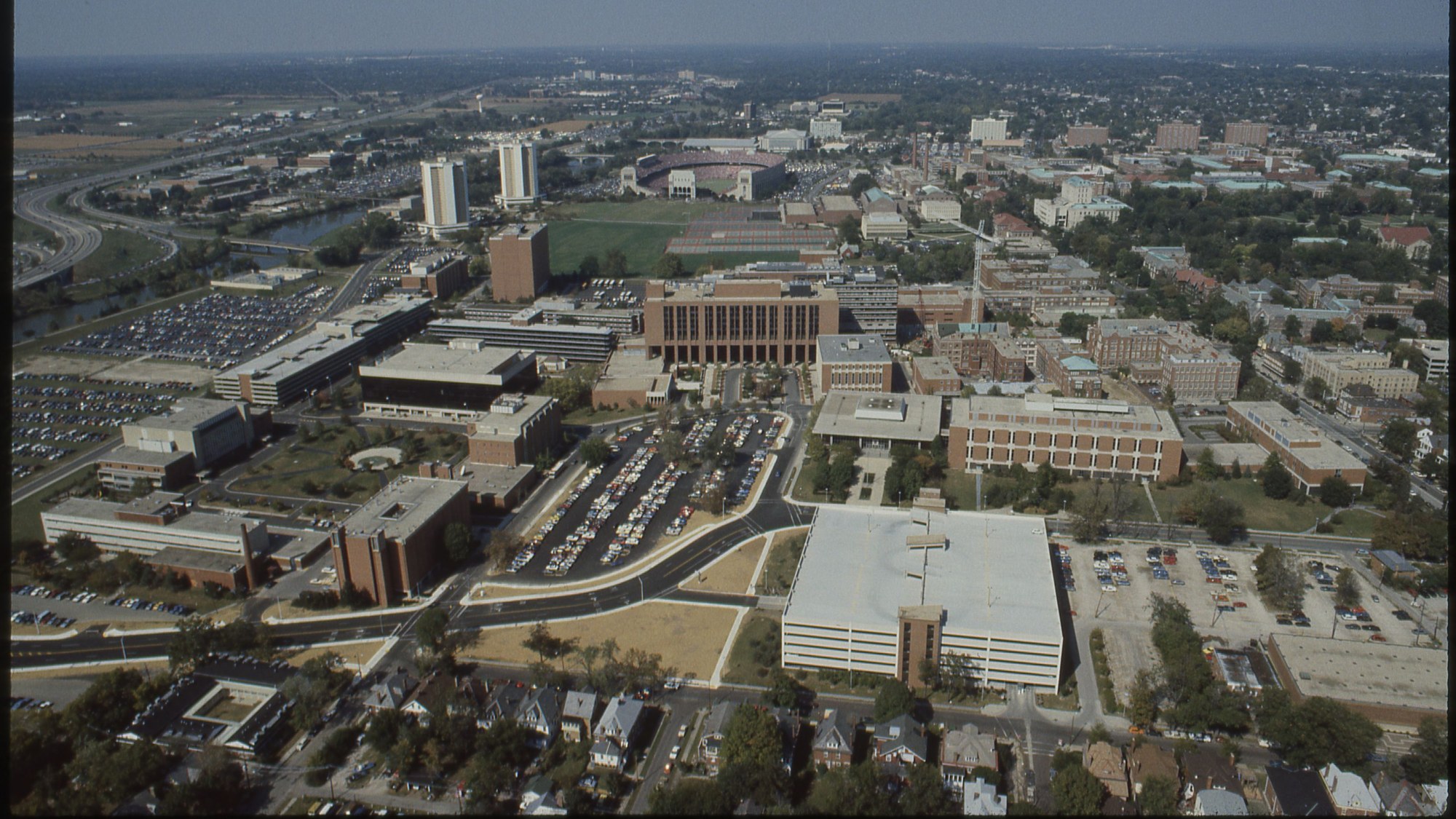
Older Ohioans who carry a Humana Medicare Advantage plan are about to lose in-network access to one of the state’s largest health systems. Beginning October 1, 2026, the Ohio State University Wexner Medical Center, the James Cancer Hospital and OSU’s affiliated physicians will be treated as out of network for Humana Advantage members, the result of a contract Humana is ending. For a retiree in the middle of cancer treatment or managing a serious chronic condition, an out-of-network label can translate into sharply higher bills or a rushed search for a new doctor.
Why the Humana and Ohio State Contract Is Ending
Ohio State says Humana notified the health system that it intended to terminate their agreement, and the insurer has confirmed the coming network change while saying it remains open to further discussions about renewing the deal. Contract fights between hospitals and Medicare Advantage insurers usually turn on reimbursement rates and the administrative hurdles — prior authorizations and payment denials — that providers say slow down care. When the two sides cannot agree, patients are the ones left in the gap.
The break is not limited to a single clinic. It covers the flagship Wexner Medical Center, the James Cancer Hospital and Solove Research Institute, and the broad roster of OSU-affiliated physicians. Local reporting indicates the change also reaches Humana’s Healthy Horizons Medicaid plans in the state, widening the group of patients who need to pay attention before the October date arrives.
Free retirement updates: Medicare networks and coverage rules shift more often than most retirees realize. The Retirement Shield newsletter tracks what changed and what to do about it. Get free Social Security and Medicare updates by email.
What Out-of-Network Means for James Cancer Hospital Patients
Cancer care is the sharpest edge of this change. A patient midway through chemotherapy, radiation or a specialized surgical plan at the James cannot simply pause treatment while sorting out insurance. Once a provider is out of network, a Medicare Advantage plan generally pays far less — or nothing — toward that provider’s care, and the patient can be responsible for the difference.
There is a cushion built for exactly this situation. Members with certain serious or ongoing conditions may qualify for continuity-of-care protection, which lets them keep seeing their current OSU physicians at the in-network benefit level for a defined transition period. That protection is not automatic; it typically has to be requested, and it applies to active courses of treatment rather than to routine future visits. Anyone in treatment at the James is the group with the most at stake and the shortest runway to act.
The Fall Enrollment Window Is the Escape Hatch
The timing of the split lands close to the one stretch of the year when most Medicare Advantage members can freely change plans. Medicare’s Annual Enrollment Period runs from October 15 through December 7, and a plan chosen during that window generally takes effect January 1. During those weeks a Humana member who wants to keep Ohio State in network can compare other Advantage plans that still contract with the health system, or move to a different insurer entirely, using Medicare’s plan enrollment tools.
The gap between the October 1 network change and the January 1 start date is the part that trips people up. For roughly three months, someone who does nothing could be sitting on a plan that no longer covers their preferred hospital, even after they have selected a replacement. That makes the continuity-of-care request and a close reading of each plan’s provider directory the two practical steps that matter most before enrollment closes.
Original Medicare and Medigap Stay Unaffected
The dispute is specific to Humana’s private Advantage and Medicaid contracts, not to Medicare itself. Retirees enrolled in Original Medicare can still use Ohio State’s doctors and hospitals, because Original Medicare does not run provider networks the way Advantage plans do. Those who also carry a Medicare Supplement, or Medigap, policy keep that coverage as well, since a Medigap plan pays alongside Original Medicare regardless of this contract fight.
That distinction is worth weighing for anyone considering a switch. Moving from an Advantage plan back to Original Medicare with a Medigap policy can restore access to Ohio State, but Medigap pricing and medical-underwriting rules vary, and the option is not always available on equal terms after the initial enrollment window. For a healthy retiree the math looks different than it does for someone with an active cancer diagnosis, which is why the decision rewards a careful, plan-by-plan comparison rather than a snap choice.
The clearest signal in the whole episode is how fast the ground can move under a Medicare Advantage plan. A health system that is in network today can be out tomorrow on an insurer’s decision, and the recourse — continuity-of-care requests and the annual enrollment window — is time-limited. Humana’s own statement leaves the door open to a renewed contract, but no patient in treatment can safely plan around a deal that has not been signed.
This article was researched and drafted with the assistance of AI and reviewed by The Financial Wire editorial team.
More Financial Reading
- How many CDs can you park at 1 bank? FDIC rules you must know
- Adding someone to your bank account: tax traps and smart moves