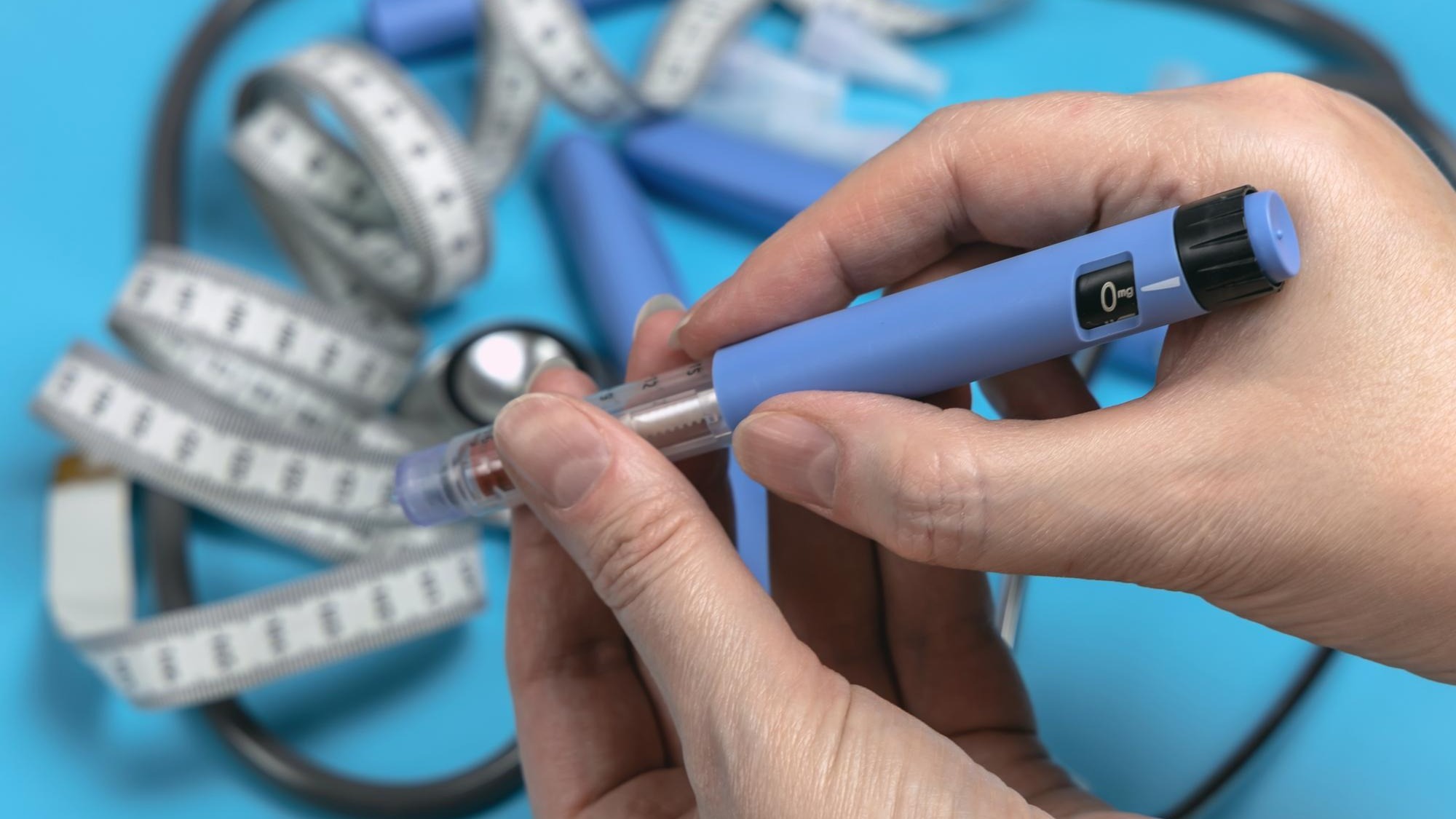
The federal government says it has struck pricing agreements with 17 pharmaceutical companies that, taken together, sell roughly 86 percent of the branded drugs Americans buy. The centerpiece of the announcement is the promise of far cheaper weight-loss injections, with popular GLP-1 medications like Wegovy advertised at prices starting around $149 a month for some buyers. The deals are described as most-favored-nation arrangements, meaning U.S. prices are supposed to fall in line with the lower prices other wealthy countries pay. For older adults who ration medications against a fixed income, the size of the claim is striking, but the details still matter more than the headline.
What the Most-Favored-Nation Drug Deals Actually Cover
According to reporting on the announcement, the administration secured commitments from major manufacturers, including the makers of the leading weight-loss and diabetes drugs, to lower certain U.S. list prices toward what comparable countries pay. Officials framed the 17 companies as covering the large majority of the branded market, and pointed to the GLP-1 category — drugs such as Wegovy and Zepbound — as the highest-profile example of the savings.
Two cautions sit underneath the announcement. First, most-favored-nation pricing generally applies to specific products and specific purchase channels rather than to every prescription a company sells, so a lower advertised price does not automatically mean every drug from every one of the 17 firms is cheaper. Second, several of the terms remain undisclosed, and the changes are being phased in rather than switched on all at once. The commitments are real, but the rollout is ongoing.
Free retirement updates: Drug pricing is one of the biggest swings in a retiree’s monthly budget. The Retirement Shield newsletter breaks down changes like these in plain English so retirees can keep more of their money. Get the free email newsletter.
How the $149 Wegovy Price Is Meant to Reach Buyers
The roughly $149 figure attached to weight-loss shots is a cash or direct-purchase price, not a guarantee of what any given insured patient will pay at the pharmacy counter. The administration has pointed buyers toward a new federal purchasing site, TrumpRx.gov, launched earlier this year, as a channel for the discounted direct-to-consumer prices. What a person ultimately pays still depends on whether the drug is bought through that channel, through insurance, or through a manufacturer program.
For retirees, the distinction between a cash price and an insured copay is not a technicality. Someone with Medicare drug coverage may find their plan’s negotiated cost differs from the advertised cash figure, in either direction. The practical takeaway is that the $149 number describes a starting point for certain direct purchases, and comparing it against an existing plan’s pricing is the only way to know which route is cheaper for a specific patient.
Why the Deal Lands Differently for Older Patients
Weight-loss and diabetes drugs have become some of the most expensive routine medications in the country, and demand among older adults has climbed as evidence has grown for the drugs’ effects on heart and kidney health. A branded GLP-1 has often carried a list price well above a thousand dollars a month, which put the medications out of reach for many retirees paying out of pocket. A move toward triple-digit pricing, if it holds across the announced channels, would represent a large shift for that group.
Caution is still warranted because a policy announced is not the same as a policy fully in force. Prior efforts to import lower international drug prices have run into legal and logistical friction, and manufacturers retain leverage over which products and channels the discounts touch. The prudent posture is to treat the deals as a developing benefit to verify at the pharmacy, not a settled cut already reflected in every price.
The Medicare and Newsroom Angle Worth Watching
Separate from these manufacturer deals, Medicare has begun covering the same class of weight-loss drugs for certain enrollees under a temporary bridge arrangement, a change that interacts with — but is distinct from — the most-favored-nation pricing push. The overlap means an older adult exploring a GLP-1 now has more than one possible path to a lower cost, and the paths do not all work the same way or for the same people.
For now, the announcement is best read as a large, publicly stated commitment that is still being implemented across 17 companies and multiple purchase channels. The number of drugmakers and the reach of the branded market they represent are the concrete facts; the pace and completeness of the price cuts are what the coming months will reveal. Anyone counting on the lower prices should confirm them directly before assuming a prescription has gotten cheaper.
This article was researched and drafted with the assistance of AI and reviewed by The Financial Wire editorial team.
More Financial Reading
- How many CDs can you park at 1 bank? FDIC rules you must know
- What really happens to your joint savings account when you die?