Federal prosecutors in Seattle have indicted five men accused of laundering more than $7.4 million stolen from at least 77 elderly victims nationwide, using a network of shell companies and bank accounts built specifically to move the money out of the country. The case shows how far scammers now go to hide stolen retirement savings once they have it.
How the Alleged Shell-Company Laundering Network Operated
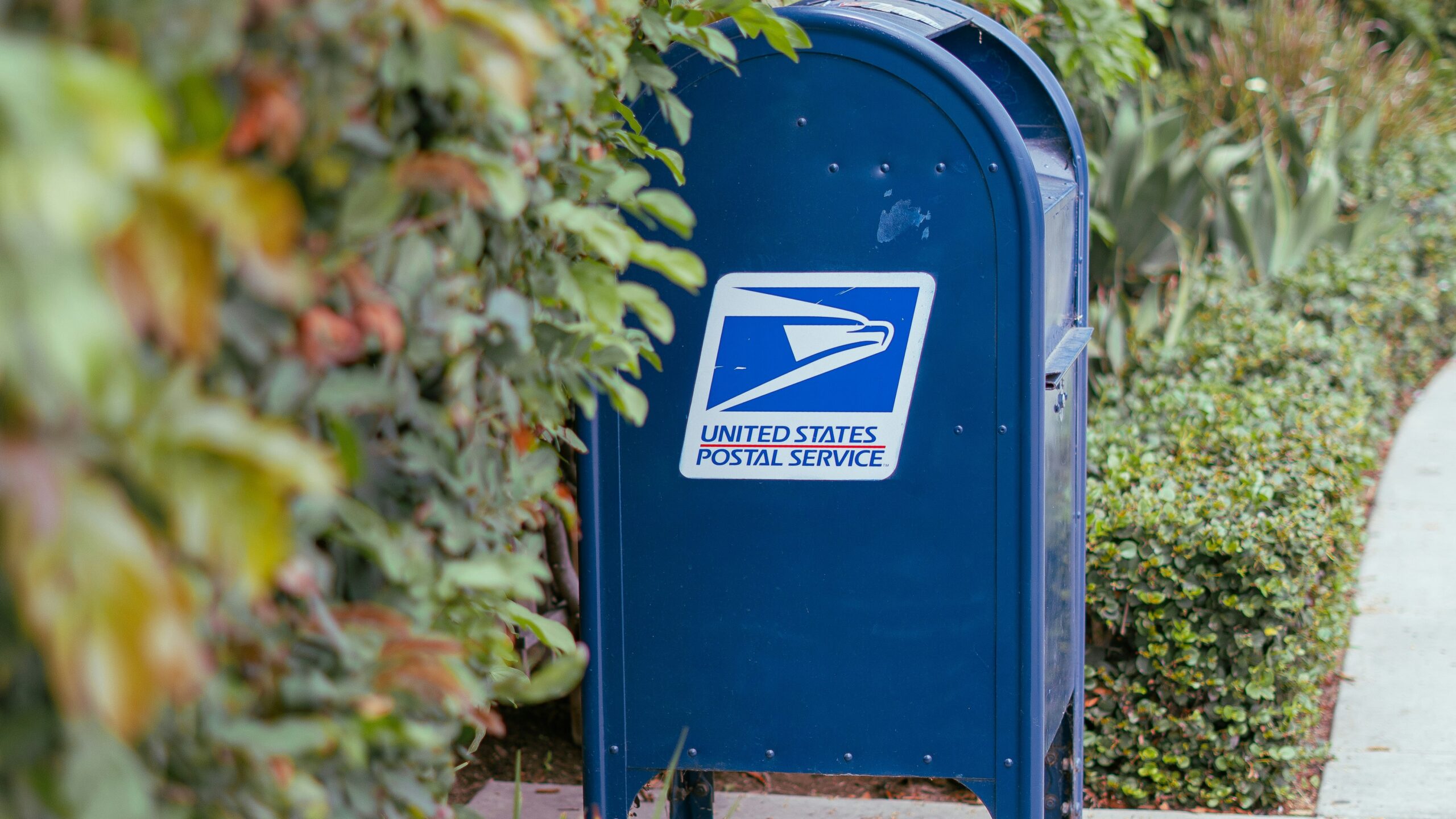
According to the U.S. Attorney’s Office for the Western District of Washington, the men indicted did not run the scam calls themselves; their alleged role was cleaning the money afterward. Other scammers, using tech-support scams or by impersonating government officials or bank employees, convinced victims to send cashier’s checks, money orders, or other monetary instruments to rented mailboxes tied to fake companies. Between October 2024 and March 2026, the indictment alleges, the men registered 21 different shell companies in Washington State and used fake identities to open roughly 44 different bank accounts tied to those companies, then deposited the victims’ checks and money orders into them. Prosecutors say the men rented physical mailboxes under those shell companies’ names specifically so a victim’s cashier’s check or money order would arrive at a legitimate-looking business address rather than a residential one that might raise a bank teller’s suspicion when the check was deposited.
From there, according to the indictment, the funds moved quickly through wire transfers to accounts held in the names of business entities based in Hong Kong and mainland China. In all, prosecutors allege the defendants collectively received and laundered more than $7.4 million in fraud proceeds taken from at least 77 victims.
Free retirement updates: Keep more of your Social Security and savings with plain-English updates on the changes, deadlines, and costly mistakes retirees miss. Subscribe free.
The Five Men Charged and What They Face
The indictment, announced August 28, 2026, names Hung Chieh Kuo, 27, of Bellevue; Tung Wei Yeh, 31, of Bellevue; Hsin Chien, 31, of Bothell; You Wei Liew, 26, of Seattle; and Chengpeng Zhang, 40, of Seattle. At the time of the announcement, four of the five had appeared on the indictment, with three detained pending further hearings, one released pending trial, and Liew still being sought by law enforcement. All five face a charge of conspiracy to commit money laundering, along with ten counts each of money laundering by concealment and ten counts of money laundering by spending. The concealment charges carry up to 20 years in prison and fines up to $500,000 or twice the value of the property involved; the spending charges carry up to ten years and fines up to $250,000 or twice the value of the criminally derived property. Trial is scheduled for November 9, 2026. Kuo had a detention hearing scheduled for August 31 and Zhang’s was set for September 2, according to the announcement; Yeh remained detained pending trial outright, while Chien was released pending trial. As with any indictment, the charges are allegations, and all five defendants are presumed innocent unless and until proven guilty.
Tracing $7.4 Million to Hong Kong and China
“These scam groups operate like a business,” said First Assistant U.S. Attorney Charles Neil Floyd in the announcement, describing a division of labor between the people who talk victims into sending money and the people who launder it once it arrives. “Some people convince the victims they must send money to ‘protect’ their money or repair their computer. Other schemers willingly take that money and launder it through bank accounts to the benefit of the entire conspiracy. These five are the men who allegedly laundered those victim funds through some 21 different shell companies and 44 bank accounts. Charging them disrupts the network and is the first step in uncovering the rest of the conspiracy.” Acting Homeland Security Investigations Seattle Special Agent in Charge April Miller put the case in a broader context, noting that elder fraud cost more than a million older Americans roughly $2 billion in 2025 alone, and that investigators estimate about $11 million may have been lost by victims connected to this particular laundering operation.
Why Tech-Support and Government-Impersonation Scams Keep Working
The scams that generated the money in this case rely on a familiar setup: a pop-up warning, an unsolicited call, or a message claiming a computer, bank account, or government benefit is at risk, followed by pressure to act immediately by wiring money, buying gift cards, or sending a check to an address the caller provides. Genuine tech-support companies do not cold-call customers about a compromised device, and government agencies do not demand payment by check, money order, or gift card to resolve a problem with benefits or an account. Anyone who receives this kind of call should hang up and independently look up the real phone number for the company or agency involved, rather than calling back a number provided during the contact, and should treat any request to send payment to an address tied to a business no one has heard of as an immediate warning sign.
Where To Report a Suspected Elder Fraud Scam
Victims and family members who suspect a similar scheme, whether money already changed hands or a call or pop-up simply seemed off, have a dedicated federal reporting line built for exactly this kind of fraud. The Department of Justice’s National Elder Fraud Hotline, reachable at 833-372-8311, is staffed weekdays from 10 a.m. to 6 p.m. Eastern time by case managers who can help a caller understand what happened, connect them with local law enforcement or adult protective services, and explain what, if anything, can still be recovered. The hotline, operated through the department’s Office for Victims of Crime, serves English, Spanish, and other language speakers, and a call does not require proof a crime occurred, only a reasonable concern that one might have.
This article was produced with the assistance of AI and reviewed by The Financial Wire editorial team.
More Financial Reading
- Adding someone to your bank account: tax traps and smart moves
- Bank statements: how long to keep them and when to toss them