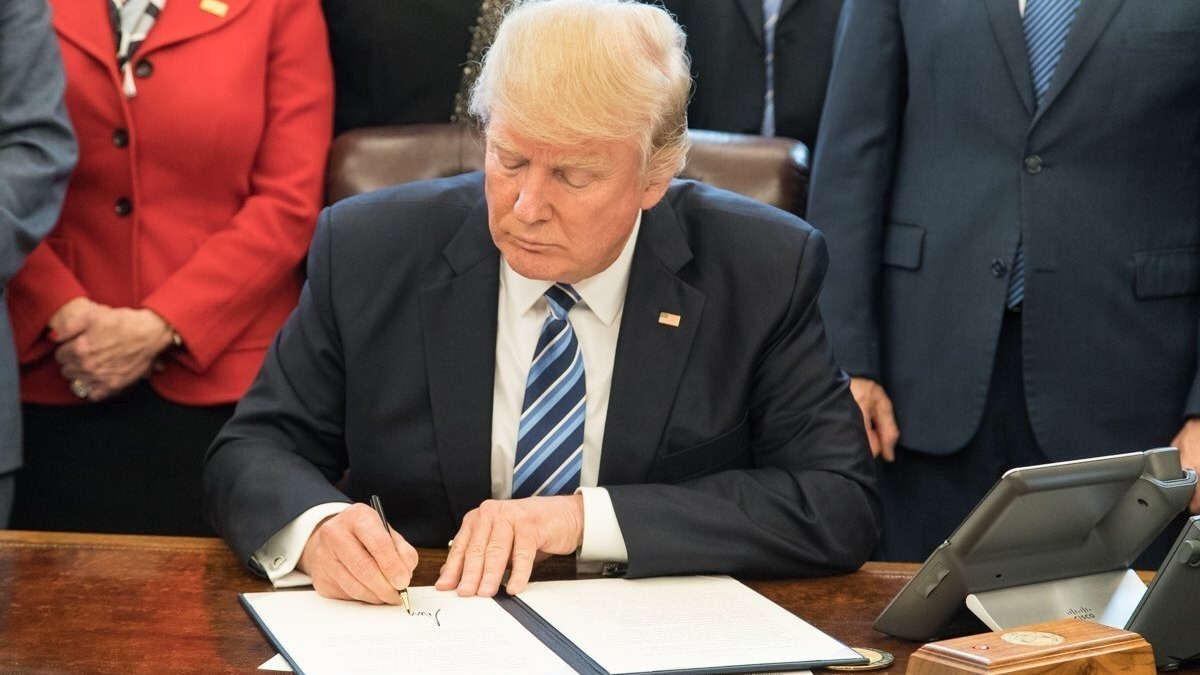
President Trump signed a short-term funding bill on September 2 that keeps federal agencies open through December 11, avoiding a shutdown that would otherwise have begun when the 2027 fiscal year opened on October 1. The law, H.R. 6500, does not settle federal spending for the year; it buys Congress roughly ten more weeks to negotiate real appropriations bills. For older Americans, the more useful question is what a lapse would have actually touched, since Social Security, Medicare, and food-stamp benefits do not all run on the same funding switch, and the government’s last extended lapse showed exactly where the real risk sits.
What H.R. 6500 Actually Funds Through December 11
The bill the President signed is the Continuing Appropriations and Extensions Act, 2027. The White House confirmed it provides fiscal year 2027 appropriations to federal agencies through December 11, 2026, “for continuing projects and activities of the Federal Government,” while also extending authorities for surface transportation and veterans’ programs. It cleared the Senate 90-6 and the House 370-48 before reaching the President’s desk on September 2, a lopsided margin that reflected how little appetite either party had for a repeat shutdown heading into the fall. Because it is a continuing resolution rather than a full-year budget, it mostly freezes agency funding at current levels instead of setting new figures for 2027, which means the underlying fight over Social Security Administration and Centers for Medicare and Medicaid Services funding levels, along with every other agency’s budget, still has to happen before the new December 11 deadline arrives. The same law also extends existing authorizations for veterans’ programs without interruption, which matters to the substantial share of Social Security beneficiaries who are also military veterans drawing VA benefits on a schedule separate from Social Security’s own trust-fund payments.
Free retirement updates: Social Security and Medicare change every year, and nobody sends you a memo. Our free Retirement Shield newsletter breaks down what changed and what to do. Get it free in your inbox.
Why Social Security and Medicare Checks Were Never on the Table
Social Security’s monthly payments, including retirement, disability, and Supplemental Security Income benefits, are paid from a trust fund that sits outside the annual appropriations process this new law addresses. The Social Security Administration’s own shutdown contingency plan states that benefit payments continue on schedule regardless of a funding lapse, and the agency kept roughly 90 percent of its workforce on the job during the government’s last extended shutdown for exactly that reason. Medicare works the same way: its hospital and medical insurance trust funds carry permanent, indefinite spending authority, so hospitals and doctors keep being paid on Medicare claims even when annual appropriations run dry. What a lapse actually slows is the customer-facing side of both agencies, not the checks themselves, things like new retirement or disability claims, appeals, and field-office wait times. The September 2 signing avoided that slowdown for now, but it was never protecting Social Security or Medicare payments from stopping outright, because this particular law does not control how those dollars go out in the first place.
The Program That Was Genuinely at Risk Last Time: SNAP
Food assistance is a different story, and the government’s most recent lapse proved it. When funding expired on October 1, 2025, the agency now called the Food and Nutrition Administration eventually froze the November SNAP payment entirely, the first time that had happened in the program’s six-decade history, before court orders forced a partial release of a multiyear contingency reserve that covered only about half of a normal month’s benefits for the roughly 42 million people who rely on the program nationwide. That crisis ended when President Trump signed a separate funding bill, H.R. 5371, on November 12, 2025, restoring full-year funding for the fiscal year that had just begun and, with it, normal SNAP issuance. SNAP benefits are mandatory spending on paper, but unlike Social Security and Medicare, the U.S. Department of Agriculture needs an active appropriation, or that contingency reserve, to actually issue them, and last November showed how quickly the cushion runs out once a lapse drags on.
What to Watch Before December 11
The new deadline sits in the middle of budget season rather than at the end of it, so the same three-way choice repeats itself: pass full-year appropriations, pass another continuing resolution, or let funding lapse again. Congress has roughly ten weeks, spanning the November midterms, to decide, and the same three programs will be the ones people ask about first if talks stall. Social Security and Medicare recipients do not need to track this particular fight to protect their checks, since trust-fund financing does that automatically no matter what happens in Washington. A household that includes anyone drawing SNAP has less structural protection built in and more reason to watch the calendar this time, given how close last November’s lapse came to leaving a month of benefits unpaid rather than merely cut in half. History suggests the same contingency letters and court fights would play out again if December 11 arrives without a deal, but a household does not have to wait for that outcome to know which of the three programs actually has a cushion built in and which one does not.
This article was produced with the assistance of AI and reviewed by The Financial Wire editorial team.
More Financial Reading
- The ideal retirement withdrawal rate so your savings actually last
- What really happens to your joint savings account when you die?