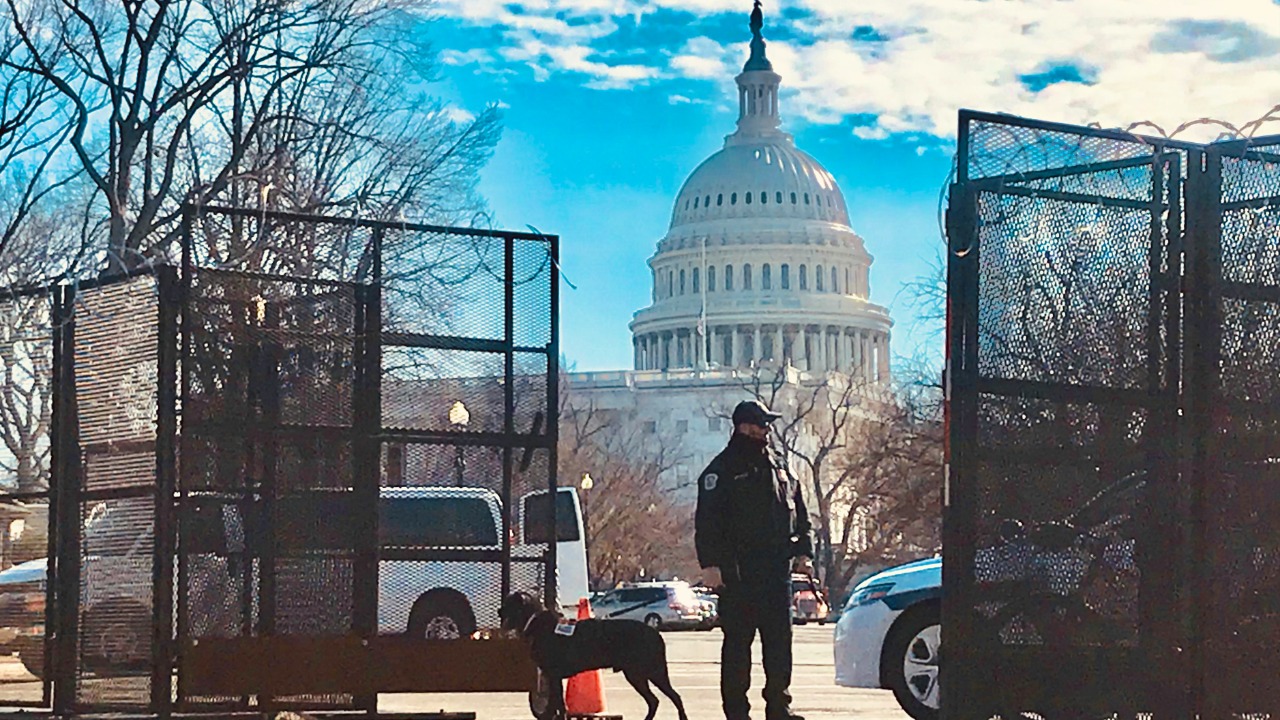
September 30 stopped being a deadline a week ago, though the date is still circulating as one. The president signed H.R. 6500, the Continuing Appropriations and Extensions Act, 2027, on September 2, closing out a funding fight that many expected to run to the end of the fiscal year. Instead of a lapse, federal agencies now operate on a stopgap budget that runs through December 11, 2026, at fiscal year 2026 spending levels. There is no shutdown at the turn of the fiscal year, and none is scheduled until the new deadline arrives in mid-December. Social Security and Medicare benefit payments were never part of that fight to begin with; both are financed through mandatory spending that sits outside the annual appropriations bills Congress just extended.
H.R. 6500 Funds Agencies Through December 11
H.R. 6500 is a continuing resolution, a stopgap measure that extends current funding levels rather than completing the twelve full-year appropriations bills that were due before fiscal year 2027 began on October 1. The bill keeps federal agencies funded at fiscal year 2026 levels instead of setting new spending totals for the year ahead, which means no new cuts and no new increases take effect under this particular measure. It also extends other expiring authorities, including programs covering surface transportation and veterans benefits, alongside the core funding patch.
The White House’s own signing announcement describes the bill’s purpose in narrow terms: it “provides fiscal year 2027 appropriations to Federal agencies through December 11, 2026, for continuing projects and activities of the Federal Government.” That description, dated September 2, 2026, is the operative confirmation that the stopgap runs a little over three months past the date it was signed, and that it is a bridge rather than a finished budget.
Free retirement updates: Enrollment and claim windows come and go, and missing one can cost you real money. The free Retirement Shield newsletter keeps you ahead of the deadlines that matter. Sign up free.
A 90-6 Senate Vote, Then 370-48 in the House
The Senate passed its version of the continuing resolution 90-6 on August 8, 2026, more than a month before the prior year’s funding was due to expire. The House followed with a 370-48 vote on September 1, and the bill reached the president’s desk the next day, a sequence recorded on the bill’s action page at Congress.gov.
The wide margins in both chambers reflected an unusual pattern: lawmakers cleared the funding question well before the November midterm campaign reached its final stretch, rather than waiting for a standoff near the September 30 turnover. Congress has more often pushed spending fights to the days immediately surrounding a fiscal year change, which is what made the early timing notable, and what kept the September 30 date from becoming an actual deadline this time.
Social Security and Medicare Payments Sit Outside This Fight
Monthly Social Security retirement, survivor and disability benefits, along with Medicare payments to hospitals and physicians, are financed through permanent, mandatory spending authority set in law rather than the discretionary appropriations bills Congress renews every year. That structure is why a lapse in agency funding, had one occurred at the September 30 turnover, would not by itself have stopped a benefit deposit or a claims payment.
Social Security’s retirement, survivors and disability payments are drawn from the Old-Age, Survivors and Disability Insurance trust funds, and Medicare Part A draws from its own hospital insurance trust fund. Part B and Part D draw on a mix of premiums and general revenue that Congress also classifies as mandatory spending, so none of it requires the annual appropriations bill this measure just extended.
The distinction narrows once the discussion shifts from payment to service. Social Security field offices, telephone claim lines and processing staff draw on the Social Security Administration’s discretionary operating budget, the same category of spending this continuing resolution covers. A future lapse in that funding, separate from the benefit checks themselves, could still slow office hours, appointment scheduling or phone wait times. Nothing about the September 2 signing changes that underlying exposure; it only pushes the question of whether that funding continues out to December 11.
The December 11 Cliff Replaces the One Just Cleared
Congress now has until December 11, 2026, to complete the twelve annual appropriations bills for fiscal year 2027 or pass another stopgap measure. Missing that date would put a potential lapse in the middle of the holiday season, a timing Congress has landed in before during recent funding fights. The window also spans the bulk of Medicare’s fall enrollment period, when call centers and online systems see the heaviest annual traffic, so the busiest stretch for that particular Medicare workload falls comfortably inside the funded period rather than up against the new deadline.
The White House’s signing announcement frames H.R. 6500 only as a bridge, describing its purpose as funding “continuing projects and activities of the Federal Government” rather than a settled budget for the year ahead. That framing leaves the twelve underlying appropriations bills, and the next funding deadline, unresolved until December.
This article was produced with the assistance of AI and reviewed by The Financial Wire editorial team.
More Financial Reading
- Adding someone to your bank account: tax traps and smart moves
- The ideal retirement withdrawal rate so your savings actually last