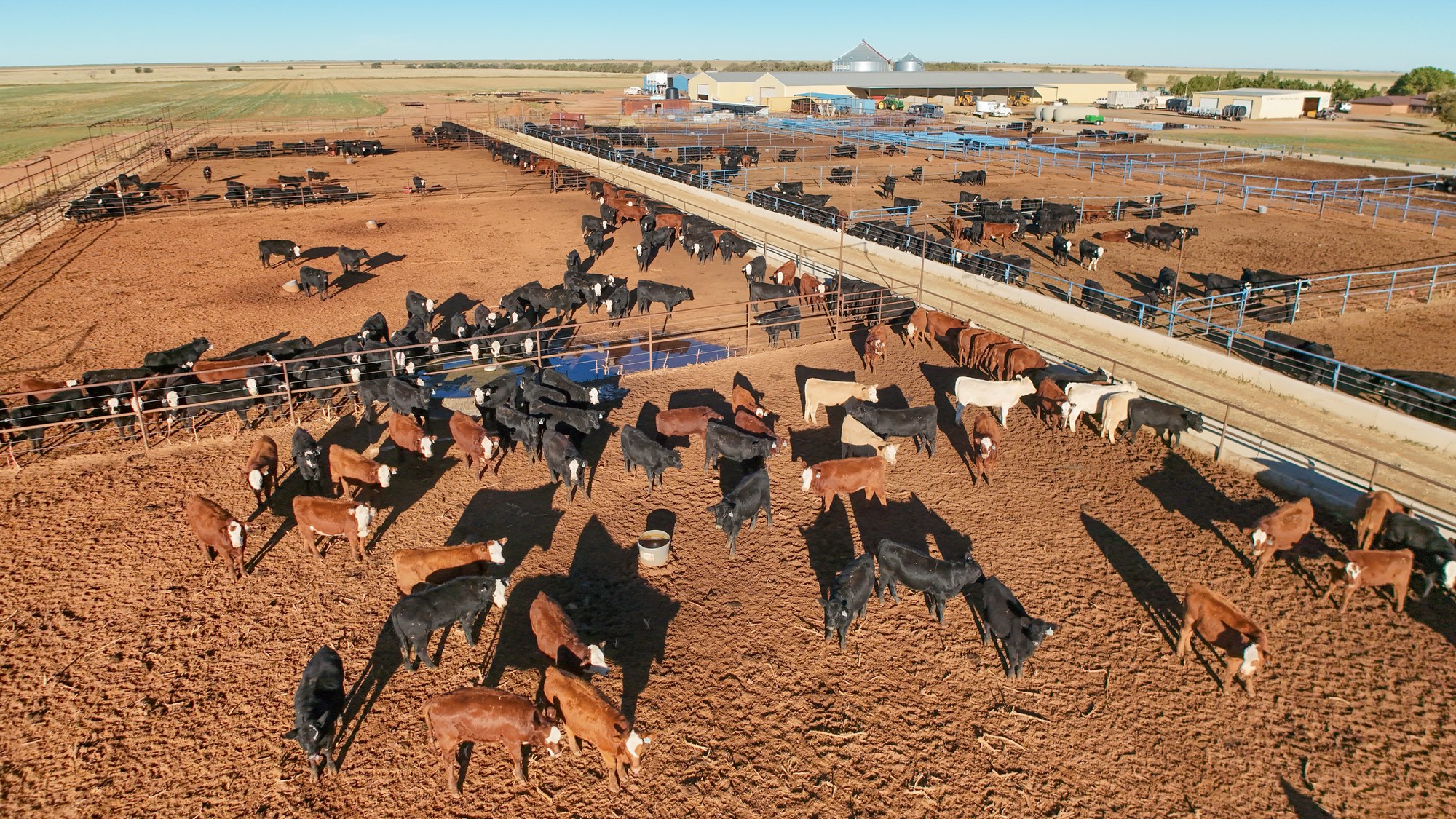
President Trump has told the Agriculture Department to make meatpacker enforcement a bigger priority, pointing to a beef industry now dominated by a handful of companies. The order, signed Sept. 4, 2026, directs USDA to expand investigations into potential violations by the packers that process most of the nation’s cattle, at a moment the administration says four companies now control 85% of the beef-packing market. What the order actually requires of USDA, on what timeline, is more specific than the headline figure alone suggests.
What The Order Actually Directs USDA To Do
Under Section 2(a) of the order, the Secretary of Agriculture must “prioritize and expand investigations into potential violations of the [Packers and Stockyards] Act by packers and other covered entities, with particular attention to unfair, unjustly discriminatory, or deceptive practices,” according to the executive order’s text. The same section requires USDA to increase staffing and investigative capacity and to coordinate with the Department of Justice on antitrust enforcement, with a report to the President on enforcement actions, resource needs and a plan for heightened enforcement due within 60 days of the signing. Agriculture Secretary Brooke Rollins framed the order as a break from prior policy, saying “American ranchers deserve fair, competitive markets that reward their hard work, not a marketplace dominated by a handful of concentrated packers,” according to USDA’s Sept. 4, 2026 press release.
What a grocery bill can’t offset: A packer-concentration order and a 60-day enforcement report won’t lower this week’s total at checkout, but the circuit-breaker credit that includes renters and an application log for tracking deadlines are two tools a fixed-income household can put to work regardless of what happens with beef prices. See the circuit-breaker credit and application log in The Senior Property Tax & Home-Cost Relief Kit.
How Concentrated The Beef Market Has Become
The four largest beef packers’ combined share of the market rose from 36% forty years ago to 85% today, the administration states in its fact sheet on the order. The White House frames that concentration as the backdrop for the new enforcement directive, arguing that a market run by four companies leaves individual ranchers with fewer buyers to negotiate with when they sell cattle. Neither the fact sheet nor the order itself names the four packers directly, but the market-share figure is the administration’s stated justification for prioritizing investigations rather than, for instance, new price controls or a break-up order. A market that concentrated leaves cattle ranchers selling into a smaller pool of buyers than existed decades ago, which is the competitive concern the order is built to address.
The Law Behind The Directive
The order works through the Packers and Stockyards Act, a decades-old federal law USDA already enforces against packers, stockyards and dealers for practices the statute defines as unfair, discriminatory or deceptive. Ordering USDA to “prioritize and expand” its investigations under that existing law, rather than creating new authority, means the department is being told to use enforcement tools it already has more aggressively, according to the order’s own language on the executive order text. The order also directs USDA to revise existing regulations and enforcement policy “to strengthen protections for producers and ensure effective deterrence of prohibited conduct,” without setting a deadline for that broader rulemaking step. That combination — faster use of an existing law plus a longer-term rule review — is why the order reads as an instruction to the department rather than a case filed against any specific company.
What Hasn’t Happened Yet
An order to prioritize investigations is not itself a finding of wrongdoing against any packer, and neither the White House fact sheet nor USDA’s press release announces a specific case, fine or settlement tied to the 85% concentration figure. The concrete marker to watch is procedural rather than punitive: USDA’s report to the President on enforcement actions, resource needs and a plan for heightened enforcement is due within 60 days of the Sept. 4 signing, putting the deadline in early November 2026. Until that report and any enforcement actions that follow it become public, the order changes USDA’s priorities and staffing, not the market share of the packers it is now watching more closely.
Where A Grocery Budget Actually Gets Offset
USDA has 60 days from the Sept. 4 signing to report back on enforcement actions against packers controlling 85% of the beef market, and nothing in the order changes what beef costs at checkout in the meantime. A household working around that cost pressure is left looking for savings somewhere else in the monthly budget while the enforcement process plays out.
The Senior Property Tax & Home-Cost Relief Kit lays out the 5 kinds of property-tax relief and how to claim each one, sections that apply regardless of what happens with meatpacker enforcement.
Look up how each kind of relief is claimed in The Senior Property Tax & Home-Cost Relief Kit.
This article was produced with AI assistance and checked against the primary sources linked above.