Investors who lost money in a scheme tied to Greg Martel now stand to recover a fraction of their losses through the forced sale of a Las Vegas mansion listed at $5.1 million. The property liquidation is part of a broader asset-recovery effort designed to return funds to victims of an alleged Ponzi operation. Court-ordered real estate sales like this one often determine how much defrauded investors actually get back, making the transaction a concrete measure of accountability rather than a symbolic gesture.
Why the $5.1 million mansion sale matters for Ponzi victims right now
When fraud cases move from courtroom filings to actual asset liquidation, the stakes shift from legal theory to dollars recovered. For victims of alleged Ponzi schemes, luxury properties held by promoters represent some of the most visible and valuable assets available for restitution. A $5.1 million listing price does not guarantee that amount will reach victims. Receiver fees, legal costs, outstanding liens, and the gap between listing and closing prices all reduce the final payout. The practical question for affected investors is how much of that headline figure survives the distribution process.
One pattern worth tracking is who ends up buying properties like this. Distressed luxury real estate tied to fraud cases often attracts institutional buyers or firms that specialize in acquiring assets from receiverships. If the mansion sells to a repeat player in that market rather than an individual homebuyer, it would fit a broader trend where Ponzi-linked properties cycle through a small pool of specialized purchasers. Public records from the eventual closing would confirm or undercut that pattern. Insufficient data exists in available primary sources to identify the buyer at this stage.
Even once a buyer is found, the mechanics of turning a mansion into victim restitution are complex. A court-appointed receiver or trustee typically oversees the sale, working with real estate agents, appraisers, and lawyers to secure a market-based price. After closing, the gross proceeds are deposited into an estate or receivership account. From there, the court-approved priority of payments determines whether secured creditors, tax authorities, or investors are paid first. Each layer of professional fees and administrative costs slightly erodes the pool available to victims, which is why transparency around the sale process and final accounting is so important.
SEC enforcement records and the critical Martel name distinction
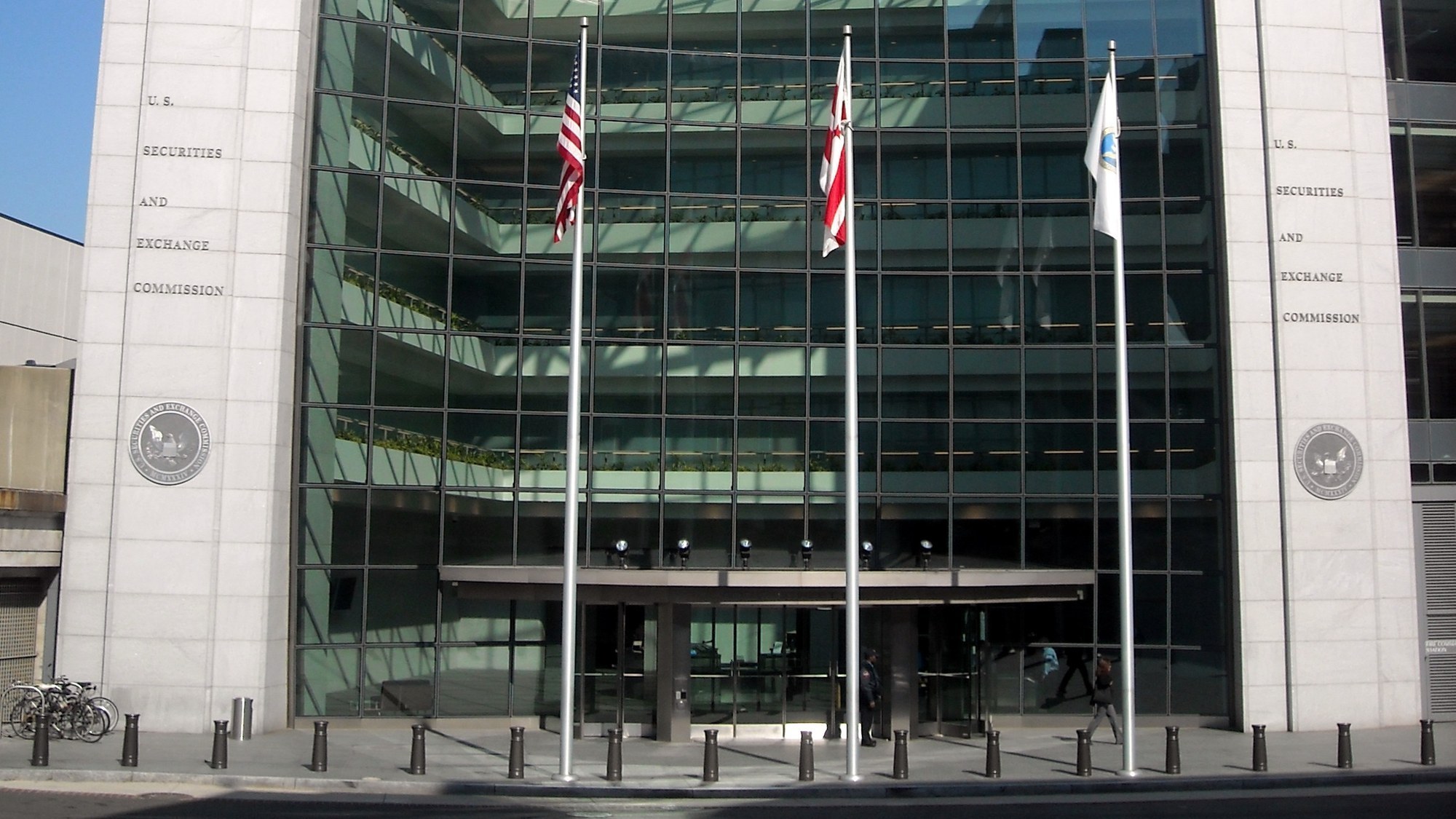
Any search for “Martel” and “fraud” in federal databases turns up a separate, unrelated case that readers and researchers should not confuse with the Greg Martel matter. The U.S. Securities and Exchange Commission filed a complaint on June 19, 2012, against Gary J. Martel, who operated under the names Martel Financial Group and MFG Funding. That enforcement action, documented in SEC Litigation Release No. 22396, concerned alleged fraud by Gary J. Martel and is a distinct legal proceeding involving a different individual.
The distinction matters because conflating the two cases would misrepresent the regulatory record. Federal identity-control systems, including the SEC’s EDGAR filer management portal, assign unique identifiers to registrants and respondents. These identifiers help regulators, courts, and market participants track enforcement actions, disclosure histories, and filing obligations for specific legal entities. Greg Martel’s Las Vegas property and the associated victim-recovery effort are not part of the Gary J. Martel enforcement docket, and there is no indication in the SEC’s materials that the two men share any business relationship.
For investors, journalists, and attorneys conducting due diligence, careful use of federal databases is essential. Searches in the SEC’s EDGAR system should be filtered by full legal name, location, and, where available, Central Index Key (CIK) numbers to avoid pulling unrelated records into a single narrative. The presence of more than one person with the same last name in enforcement archives is not unusual, but failing to distinguish them can distort both reputations and the public understanding of how specific schemes unfolded.
Gaps in the public record around the mansion sale
Several questions remain open. No primary court filings, property records, or receiver reports available through federal institutional sources confirm the $5.1 million listing price or tie a specific Las Vegas address to Greg Martel by name. Details about the mansion sale and the planned distribution of proceeds to victims have circulated through secondary reporting, but official trustee or receiver statements laying out the restitution timeline have not surfaced in the same way the SEC has documented the Gary J. Martel case.
That lack of primary documentation leaves important gaps. Investors do not yet have a clear, authoritative schedule for when sale proceeds will be collected, how competing claims will be ranked, or what percentage of each dollar invested might realistically be returned. Without a filed distribution plan, it is difficult to model outcomes or compare this recovery effort with other Ponzi-related liquidations. It also limits the ability of researchers to assess whether the receiver is maximizing value, for example by timing the sale to market conditions or challenging questionable liens.
Until more formal records are filed or released, observers must treat many specific figures surrounding the Las Vegas mansion with caution. The reported listing price, while plausible for a high-end property in that market, remains unverified in the major federal systems typically used to track enforcement and recovery activity. For victims, the key takeaway is that high headline numbers associated with seized assets rarely translate into full reimbursement. The eventual recovery will depend not just on the sale price, but on the structure of the receivership, the priority of competing claims, and the level of transparency that emerges as the case moves from allegation to resolution.