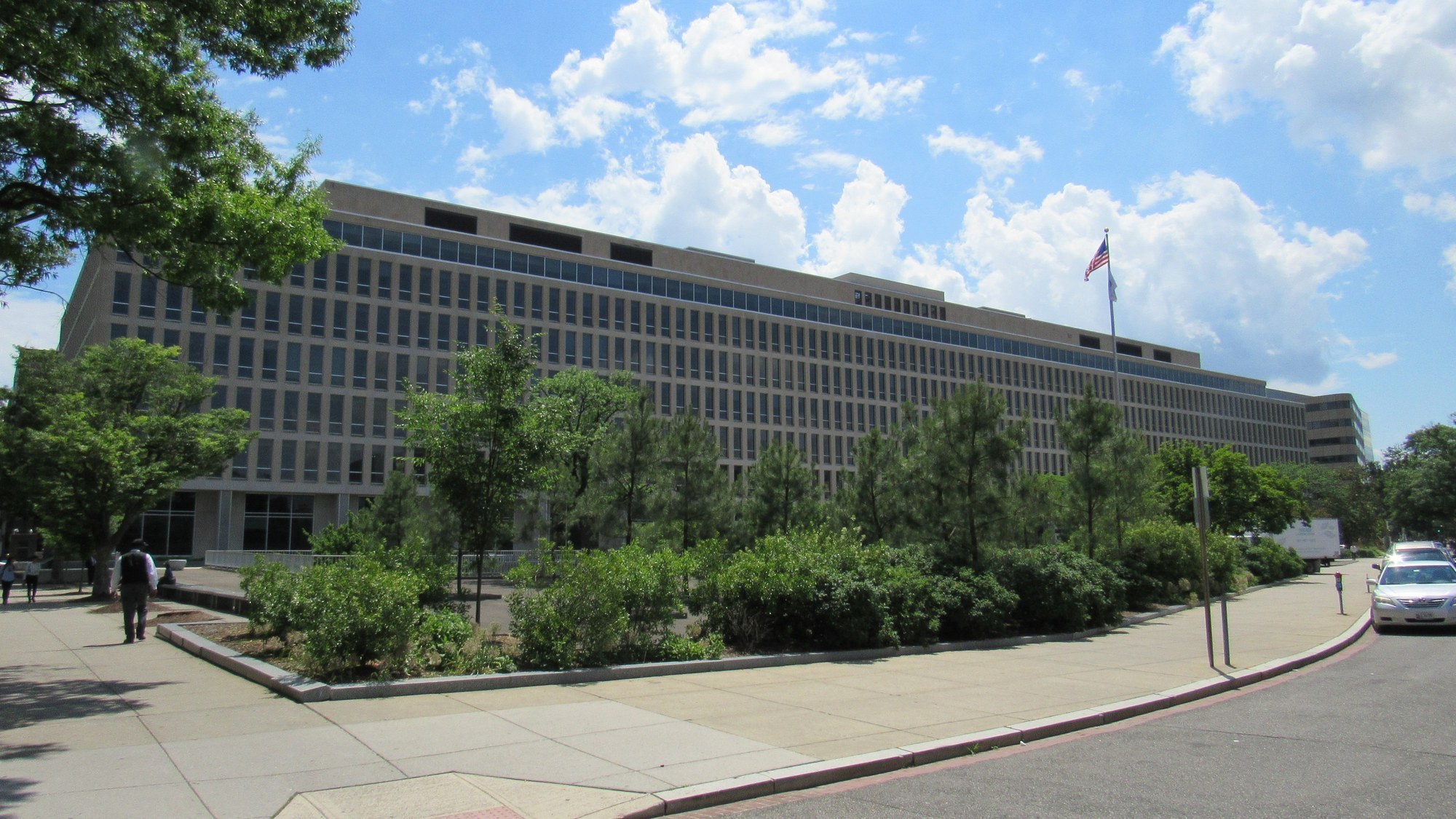
Student loan borrowers who received a 90-day transition notice from the Department of Education on July 1, ending their time on the SAVE plan, face a September 29 deadline to choose a new repayment plan. Anyone who does not act by that date is placed automatically into a Standard repayment plan, or a Tiered Standard plan for loans taken out or consolidated on or after July 1, 2026. The department has continued sending the same 90-day notices to additional SAVE borrowers in waves since July, so September 29 applies specifically to that first notified group.
What the Sept. 29 deadline leaves out: The new default plan raises the required payment, and The Bank Account & Debt Protection Kit’s debt-validation steps and 2-month bank protection rule apply if a bill gets missed. See what applies if a bill is missed →
What The September 29 Date Actually Covers
The September 29 deadline applies to the borrowers who received their 90-day transition notice on July 1, the first wave of SAVE plan participants the Department of Education notified after agreeing to wind the plan down, according to a Sept. 22 Forbes report citing the department’s own notice schedule. Borrowers notified later, in subsequent waves the department has continued sending every few weeks, face their own 90-day countdowns tied to when their individual notice arrived, not to the September 29 date itself. The distinction matters because a borrower who mistakenly assumes every SAVE participant shares the same September 29 date could miss their own actual deadline by believing they have more time than their notice provides.
Standard And Tiered Standard: The Two Landing Spots
A borrower who does not select a new plan by their deadline does not remain on SAVE; the loan moves automatically into one of several default plans depending on the loan’s history. Borrowers whose loans were not previously consolidated move to the 10-year Standard repayment plan, borrowers whose loans were taken out or consolidated on or after July 1, 2026, move to a Tiered Standard plan that can extend up to 25 years depending on the balance, and borrowers with previously consolidated loans move to a Consolidation Standard plan on a schedule of 10 to 30 years based on balance, per the same Forbes report. None of the three default options works like SAVE’s income-driven formula, which based payments on a percentage of discretionary income rather than a fixed schedule tied to the loan balance.
Why SAVE Is Being Wound Down At All
SAVE, the Saving on a Valuable Education plan introduced in 2023, has been tied up in litigation for more than a year, and the current transition follows a settlement agreement to terminate the plan rather than a routine program update, according to the Forbes reporting on the rollout. The Department of Education, under Secretary Linda McMahon, began the 90-day notice process in July as part of that settlement, moving borrowers off SAVE in scheduled waves instead of all at once. SAVE had allowed some borrowers to qualify for reduced or $0 monthly payments based on income, a feature at the center of the legal challenges that ultimately produced the settlement now driving this wind-down. U.S. Sen. Martin Heinrich raised the standard-plan default risk directly with the department in an official letter warning that borrowers could be “unknowingly placed in the standard repayment plan” without enough notice, and pushing, unsuccessfully, for a longer transition window than the one the department ultimately used.
The Warning Behind “Substantially Higher” Payments
The National Consumer Law Center has urged borrowers who receive one of the transition notices to respond quickly, warning that inaction risks “substantially higher monthly payments” once a loan lands on a Standard plan, which unlike SAVE does not count toward income-driven forgiveness timelines, according to the same Forbes report. “If you get one of these notices, you need to act quickly,” the organization said, a caution that applies regardless of which wave a borrower’s own notice falls into. A borrower who wants to stay on an income-driven schedule, rather than accept the standard default, generally has to actively select a replacement plan before the 90-day window on their own notice closes.
What A Borrower’s Own Notice Actually Shows
Each 90-day notice is dated to when it was mailed, and that date, not September 29, is what starts the countdown for a borrower who was not part of the first July 1 wave. A borrower checking their own paperwork should look for the notice date itself and count 90 days forward, rather than assuming the September 29 deadline covered in reporting on the first wave applies to their own loan. The default outcome, a Standard, Tiered Standard or Consolidation Standard plan, is the same regardless of which wave a borrower falls into; only the specific date changes.
More Waves Are Still Coming
The Department of Education has continued issuing 90-day notices to additional SAVE borrowers on a rolling basis since the first batch went out July 1, with new waves following every couple of weeks, according to the Forbes reporting on the rollout. That means September 29 is not the only deadline SAVE borrowers will face this year; it marks the first in a series of dates tied to when each borrower’s own notice was mailed. A borrower still on SAVE who has not yet received a notice should expect one, and the same 90-day countdown, at a later point in the schedule.
What A Bigger Loan Payment Does To The Rest Of A Budget
Borrowers who miss the September 29 deadline move automatically into a Standard or Tiered Standard repayment plan, both generally requiring a larger monthly payment than SAVE’s income-based formula produced. A bigger required payment does not sit in isolation; it competes with the same bank account covering rent, utilities and other debt, and a missed payment elsewhere can trigger a collector call within weeks.
The Bank Account & Debt Protection Kit opens with the 2-month bank protection rule and the debt-validation steps for responding to a collector, plus the frozen-account response for an account affected by a dispute.
See the debt-validation steps and the dispute log in The Bank Account & Debt Protection Kit.
This article was produced with AI assistance and checked against the primary sources linked above.