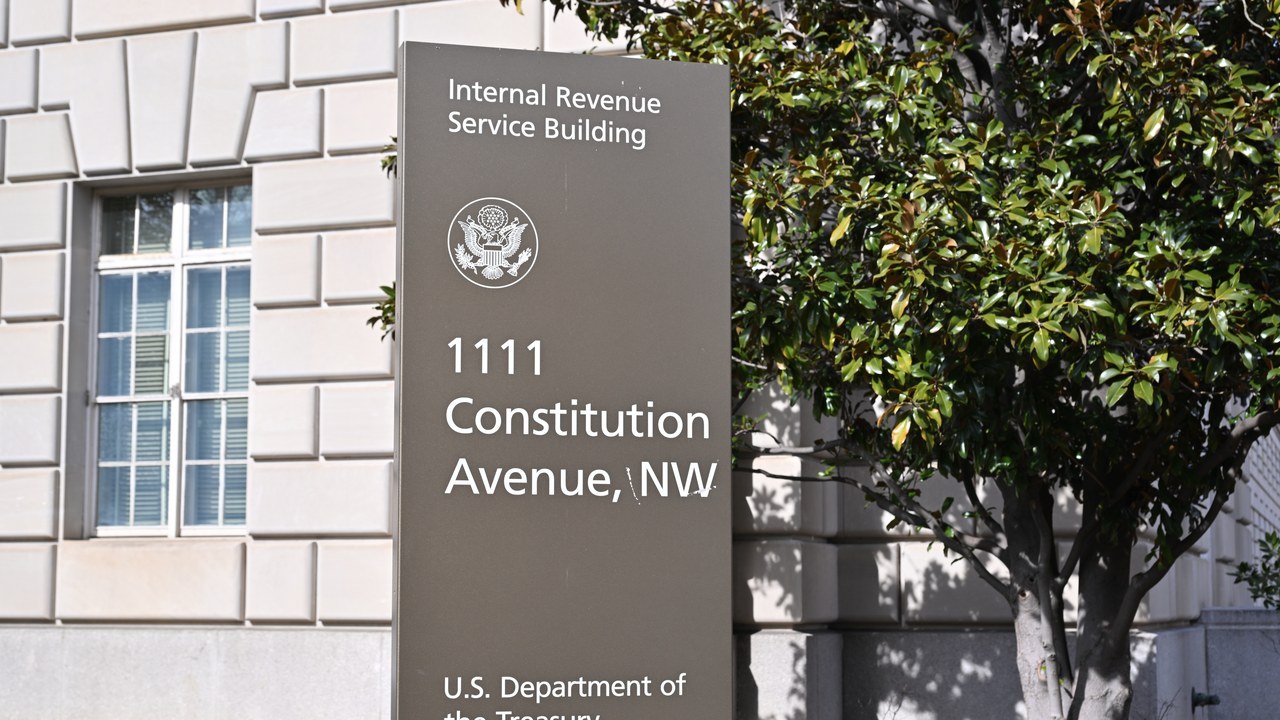
The Treasury Inspector General for Tax Administration reported on Sept. 16 that more than 39 million taxpayer payments, totaling over $580 billion, took more than three days to deposit after the IRS received them. The audit covers calendar years 2018 through 2024 and measures the delay against an internal expectation that payments be deposited within 24 hours.
A 24-hour deposit standard and a three-day yardstick
The finding sits in TIGTA report 2026-108-054, titled “The IRS Is Making Payments Easier, but Processing Can Be Improved”. The report states that, generally, the IRS should deposit taxpayer payments within 24 hours. Against that benchmark, auditors counted more than 39 million payments worth over $580 billion that took longer than three days to be deposited after receipt.
The report lists Diana M. Tengesdal as TIGTA’s Deputy Inspector General for Audit and Kasey Koontz as Acting Assistant Inspector General. It places the size of the problem beside the size of the system: the IRS received 290 million payments in calendar year 2024 alone, according to the same document. The two figures cover different spans, so the 39 million is not a share of the 290 million.
Paper payments account for the lag
Paper payments made up over half of the late deposits, although they were only 18 percent of total payment volume, the audit found. That imbalance follows a shift in how taxpayers pay. Between calendar years 2018 and 2024, electronic payments rose 31 percent, checks and money orders fell 26 percent, and payments received at IRS submission processing centers dropped 60 percent, TIGTA reported.
The audit is a count of timing rather than of lost money. Much of the paper flow now runs through bank lockboxes. From January through December 2025, lockboxes handled almost 36.9 million payments worth more than $435.7 billion, per the report, and the arrangement is scheduled to continue through December 2027.
The IRS payments page, last reviewed Sept. 18, lists six ways to pay: a bank account through Direct Pay, a debit or credit card, a digital wallet, a same-day wire, a check or money order, and cash. It describes Direct Pay as free and accepting all tax payments, and says guests can look up payments by confirmation number.
April 15-18, 2025 and the 28,929 notices sent in error
The audit ties a visible failure to the peak of the last filing season. More than 8 million returns arrived with payments between April 15 and April 18, 2025, and the volume created a processing backlog, TIGTA reported. In that window, 28,929 taxpayers were sent notices in error showing that their payments were not received.
The IRS disagreed with part of that reading. In its response, the agency agreed to both recommendations but disputed characterizing the 28,929 notices as caused by payment-processing delays alone, according to the report. The report also records that the IRS posted a website statement telling affected taxpayers to disregard a balance due notice, and any interest and penalties, if they had already sent in their tax payment.
What a balance-due notice sets in motion
A balance-due notice carries a clock even when it is mistaken. The IRS page for the CP14 notice, last updated June 23, says interest does not accrue if the amount is paid by the due date on the notice and does accrue afterward. It tells recipients to call the number in the IRS Help section of the notice, and it does not address the case of a taxpayer who has already paid.
The cost of a genuinely unpaid balance is set out on the IRS failure-to-pay penalty page: 0.5 percent of the unpaid tax for each month or part of a month, capped at 25 percent, with interest charged on penalties as well. The page adds that the rate rises to 1 percent per month if a balance is still unpaid 10 days after a notice of intent to levy, and that for taxes not reported on a return the IRS sets a payment due date generally 21 calendar days after it sends the notice. For a payment that was sent on time, the practical stake is proof of when and how the money went out.
The IRS Online Account offers part of that proof. According to the agency’s online account page, updated Sept. 26, individuals can see up to five years of payment history, view pending and scheduled payments, and read digital notices from the IRS.
Two recommendations and an August 2026 target
TIGTA made two recommendations. The first is a study to identify the root causes of delays in processing taxpayer payments. The second is to complete real-time entity validation by August 2026 to prevent errors before submission, and the IRS agreed to both, the report says.
The audit describes what happened to deposits from 2018 through 2024 and to the April 2025 filing rush. The dispute over the 28,929 figure remains part of the record in TIGTA’s report 2026-108-054, and that document is the controlling account of both the 39 million payments and the $580 billion.
Sorting IRS Letters From Payments and Refunds
Older taxpayers who deal with the IRS by mail often end up with letters, status messages and deadlines that do not match what they remember sending or expecting. The hard part is telling which notice needs a response and keeping the dates in one place.
The IRS Refund Recovery Kit is a 13-page kit that includes a notice decoder and a refund status tracker spreadsheet, for reading an IRS letter and logging each step and date as it happens.
Tap here to open the notice decoder for an IRS letter that does not add up →
This article was produced with AI assistance and checked against the primary sources linked above.