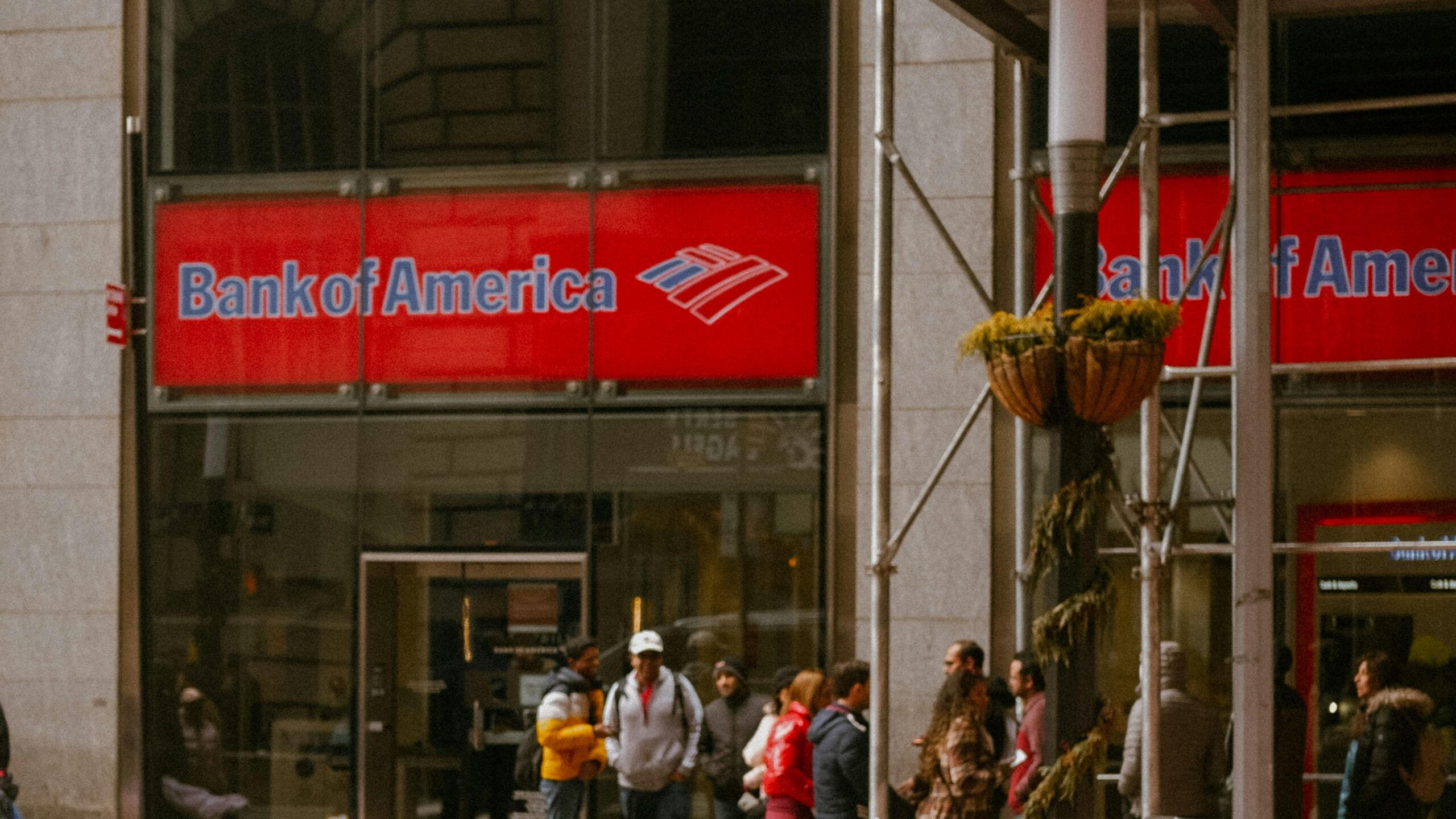
The Federal Reserve’s latest published average credit-card rate is 20.94% across all commercial-bank card accounts and 22.15% on accounts that were actually charged interest. Both figures appear in the interest-rate table of the G.19 consumer credit release issued Sept. 8, 2026, and both carry a second-quarter 2026 label rather than a July reading. The gap between the two numbers is where the cost of carrying a balance shows up.
Why the Fed publishes two card rates
The two averages measure different things. According to the Federal Reserve’s description of the G.19 data, the “all accounts” figure “represents the average annual percentage rate (APR) offered to all credit card holders and is independent of the manner in which the accounts are actually used.” The “accounts assessed interest” figure “measures the average finance rate for cardholders who revolve their balances to obtain credit during the period of the report.”
A cardholder who pays in full every month never sees the second number. The Consumer Financial Protection Bureau explains on its grace period page that a cardholder “may not be charged interest as long as you pay your balance in full by the due date,” and that a cardholder who loses that grace period by not paying in full “will be charged interest on the unpaid portion of the balance.” The 22.15% average describes the group that has crossed that line.
What the July release does and does not report
The Sept. 8 release is dated for July, and its headline covers consumer credit growth of 4.2 percent at a seasonally adjusted annual rate in that month, with revolving credit rising 2.5 percent and nonrevolving credit 4.8 percent. The card-rate rows are a different matter. In the commercial-bank interest-rate table, the 20.94% and 22.15% figures sit in the 2026 second-quarter column and repeat in the May 2026 column, while the June and July 2026 columns are marked “n.a.” for credit card plans, new-car loans and 24-month personal loans.
The reason is structural. The Fed collects card pricing through the “Quarterly Report of Credit Card Interest Rates (FR 2835a),” a sample of 50 issuers made up of the largest card banks and a randomly drawn sample of the rest of the industry. Because the survey is quarterly, the June and July cells have no new quarter to report, which is consistent with the “n.a.” markings. A reader who sees 20.94% described as “the July rate” would be misreading the table; the accurate description is the most recent average the Fed has published, for the second quarter of 2026.
The trend across recent quarters
The same table gives a short history that puts the latest numbers in context. The all-accounts average was 21.58% for 2024 as a whole and 21.16% in the second quarter of 2025, then 21.39% in the third quarter, 20.97% in the fourth and 21.00% in the first quarter of 2026, before settling at 20.94% in the second quarter. The average on accounts assessed interest moved more: 22.89% for 2024, 22.25% in the second quarter of 2025, 22.83% in the third, 22.30% in the fourth, 21.52% in the first quarter of 2026 and 22.15% in the second.
The all-accounts rate has therefore barely moved across five quarters, staying within about half a point. The rate on accounts assessed interest fell 0.78 point in the first quarter of 2026 and then rose 0.63 point in the second. For someone who carries a balance, the larger and less stable number is the one that applies to the account, and the table shows that rate back above 22% after a dip below 21.6%.
What a few points of APR cost on a carried balance
The arithmetic on a carried balance is direct. On a $5,000 balance held for a year, simple interest at 22.15% comes to $1,107.50, while the same balance at 18.00% comes to $900, a difference of $207.50 before compounding or new purchases. Real cards compound daily and vary by borrower, so the figure is an illustration of the rate gap and not a prediction for any account.
The lower comparison rate has a real source. Navy Federal Credit Union’s rate sheet, displayed as of Sept. 30, 2026 ET, lists credit-card APRs of 10.24% to 18.00%, below both Fed averages. Navy Federal is a credit union, not a commercial bank, so it falls outside the Fed’s commercial-bank panel, and its rate sheet states that membership is “open to the armed forces, the DoD, veterans and their families.” Its range is a range of offered rates, not an average of what its cardholders pay.
When the figures will be replaced
The Fed’s G.19 landing page says releases arrive around the fifth business day of each month and shows a last-updated date of Sept. 8, 2026. On that schedule the next monthly release would fall around Oct. 7, and it will supersede the consumer-credit totals in this one. Until the Fed publishes a newer card-rate reading, 20.94% and 22.15% stand as the Federal Reserve’s published averages, sourced to its own G.19 table.
Organizing the paperwork behind a carried card balance
Cardholders who carry balances sometimes end up dealing with a debt collector and not just the card issuer. The kit is for readers who receive a collector’s letter and want to respond in an orderly way.
The Bank Account & Debt Protection Kit contains the debt-validation steps and a protected-funds and dispute log for organizing letters, dates and account records.
See the debt-validation steps for a collector’s letter →
This article was produced with AI assistance and checked against the primary sources linked above.