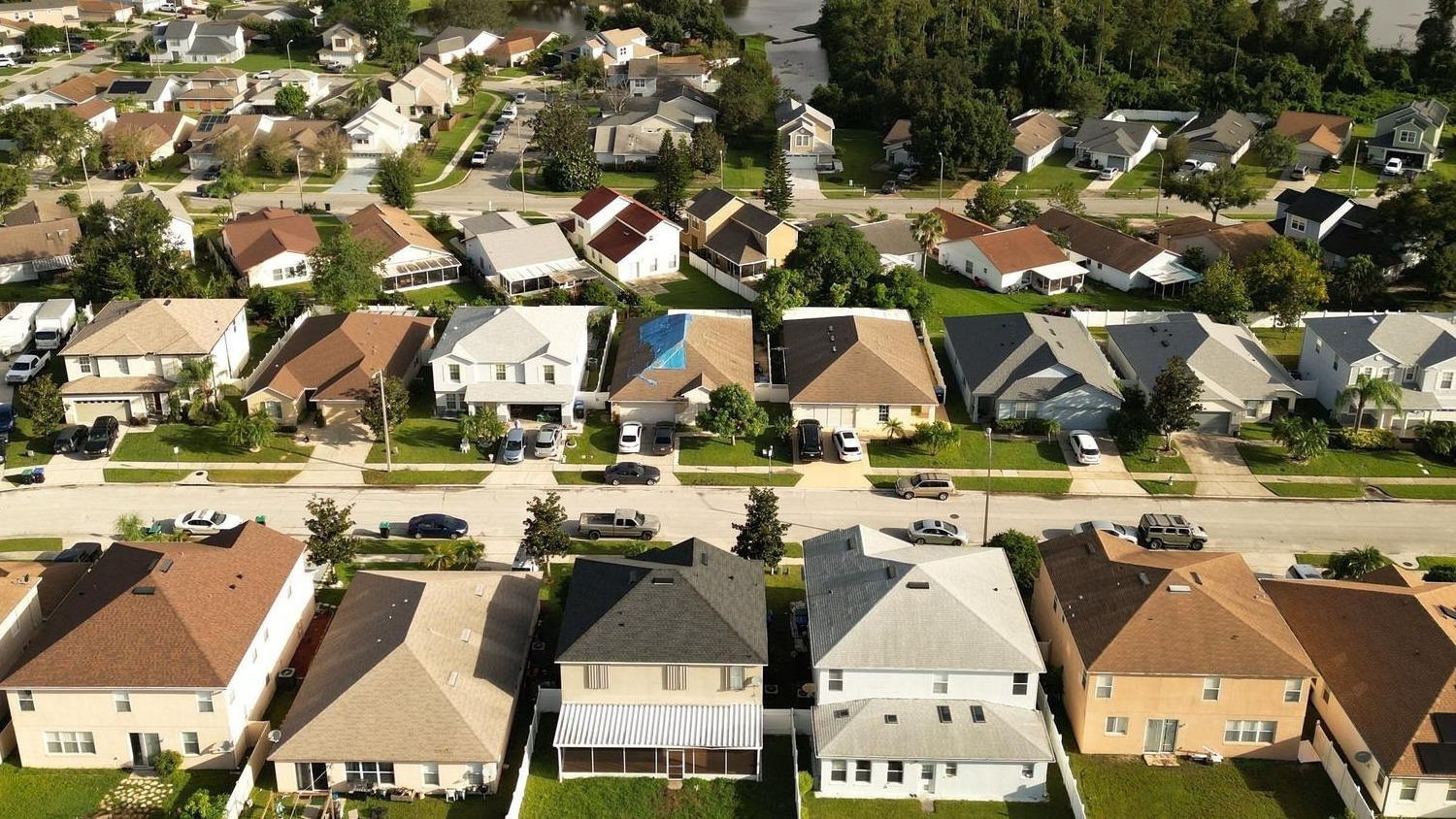
Average borrower equity reached $310,000 in the second quarter of 2026, Cotality reported, leaving mortgaged homeowners close to the record highs first reached in the third quarter of 2023. The property-data firm’s September roundup also found that only 2% of mortgage borrowers are underwater, meaning they owe more than the home is worth.
Both numbers appear in Cotality’s 10 things to know about the property market for September 2026, published September 24. The figure is an average across homeowners who still carry a mortgage, so it describes borrowers and not all owners, and averages hide wide gaps between a recent buyer and someone who has paid for decades.
How big the equity cushion is
Cotality’s July equity release puts the average at $310,500 across 56.7 million U.S. properties with mortgages. Only 1.9% of those properties, approximately 1.09 million homes, remain underwater, and the company counts nearly $17.9 trillion in total home equity.
The September roundup describes the equity level as holding near its peak. That fits Cotality’s July headline, which called the trend a plateau: equity is high, but it is no longer climbing quickly.
For a household, the average is a reference point and not a balance. A homeowner’s own equity is the home’s market value minus what is still owed on the mortgage and any other loans secured by the house. Anyone who bought recently with a small down payment will sit well below $310,000, and someone who bought long ago may sit well above it.
That raises the practical question for homeowners on fixed or retirement income: is the equity a safety net, a source of cash, or simply the largest part of the household’s net worth that should be left alone? The answer depends on the mortgage rate, the planned time in the home and how much cushion the household wants if prices fall.
Cotality’s next monthly roundup will show whether home equity holds near its peak; The Retirement Money Brief sends the dates and deadlines that matter, one email each weekday.
Get the free deadline brief → Free from RetireShield. Unsubscribe anytime.
What a price drop would do to the 2% figure
Cotality ran a stress scenario alongside the equity numbers. A market-altering 40% drop in prices would put 25% of homeowners underwater on their mortgage, the firm says. That is a scenario and not a forecast, but it shows how much of the current cushion depends on prices holding.
The gap between 2% underwater today and 25% in the scenario is a reminder that equity is a paper number until the home is sold or borrowed against. A homeowner who is not planning to sell loses nothing on paper in a dip, while one who borrowed heavily against the house has less room to absorb it.
Why equity stays put
Cotality says less than 3% of outstanding mortgages carry rates high enough to justify a refinance. Most borrowers locked in lower rates in earlier years, and that makes a move or a refinance expensive. The same release says nearly 12% of June’s home-sale contracts had not closed by the 60-day mark in August, a sign that deals are taking longer to finish.
Slower closings matter to equity because a sale is the point where paper equity becomes cash. When contracts fall through or drag on, sellers wait longer for that money, and buyers who planned around a closing date may have to extend a rental or a rate lock.
Cotality describes the nearly 12% of June contracts still open at the 60-day mark in August as a five-year high for that month.
The result is a market where many owners hold large amounts of equity but have little reason to touch it. The firm’s press page lists the September roundup on September 25, and the same page carries the company’s other recent releases on equity.
That page also lists a September 14 release titled “Record home equity builds,” published ten days before the roundup. Of the 56.7 million mortgaged properties in the July release, the 1.09 million underwater homes leave about 55.6 million that are not.
Putting a number on your own home equity
A homeowner can estimate equity in three steps. Look up the loan balance on the latest mortgage statement, add any home equity loan or line of credit, and compare the total with a realistic market value, such as recent sale prices of similar homes nearby. The difference is the working figure, and it should be refreshed once a year.
The next step depends on the goal. Staying put calls for little more than keeping the figure on file for planning. Borrowing against the house, downsizing or considering a reverse mortgage each carries fees and risks, and a HUD-approved housing counselor can walk through the numbers without selling anything. Comparing the cost of each option against the cost of keeping the current loan is the useful test.
Cotality’s September roundup is the source for the $310,000 average and the 2% underwater share, and the company’s next monthly release will show whether the equity plateau holds through the third quarter.
More Financial Reading
- How many CDs can you park at 1 bank? FDIC rules you must know
- Adding someone to your bank account: tax traps and smart moves
- What really happens to your joint savings account when you die?
This article was produced with AI assistance and reviewed by The Financial Wire’s editorial team.