Buyers of seven iPhone models have until December 21 to file for a share of Apple’s $250 million settlement over the Siri features it promoted with Apple Intelligence. Nothing is paid that day, or soon after. U.S. District Judge Noël Wise in San Jose decides at a February 24, 2027 hearing whether the deal becomes final, and no check goes out before then.
Seven models, one serial number
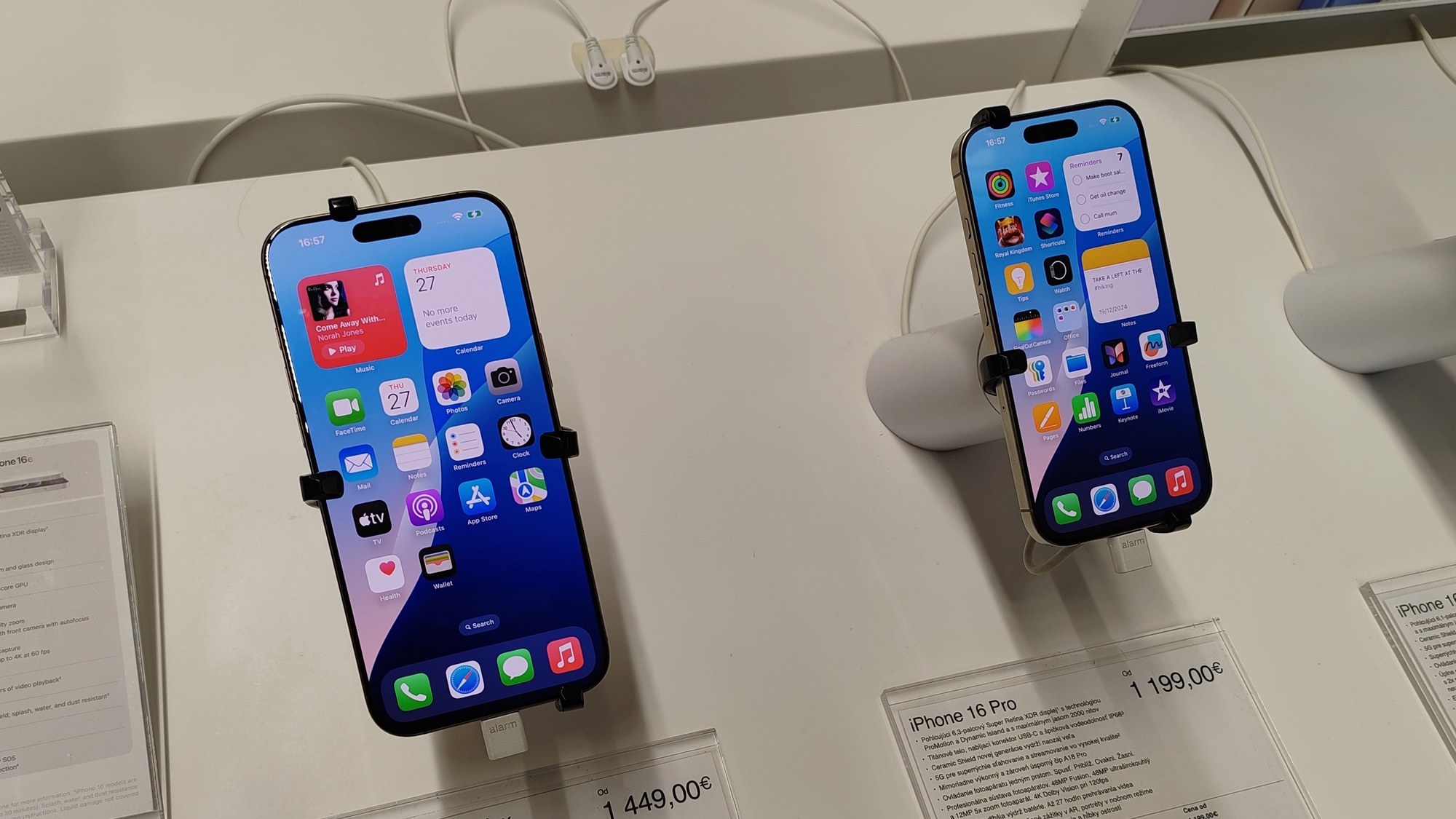
The settlement covers original purchasers of the iPhone 15 Pro, 15 Pro Max, 16, 16 Plus, 16 Pro, 16 Pro Max and 16e who bought in the United States between June 10, 2024 and March 29, 2025, according to OpenClassActions’ summary of the court notice. The 15 Pro models count only if bought on or after June 10, 2024. Standard iPhone 15 and 15 Plus buyers are left out.
A receipt is not required. The summary says a claimant can file online with the phone’s serial number, or with the Apple Account email and the phone number tied to the device when the serial number is not handy. A claim ID and PIN from an email or postcard are optional.
The form also asks for a certification. iClarified’s account of the notice says claimants must be the original purchaser, must have bought the phone for personal or business use rather than resale, and must have expected the Siri Apple Intelligence features at the time of purchase.
Each phone needs its own claim, and the number of devices one person can claim is unlimited. A household that bought three eligible iPhones in that window files three times. Claimants who file online can ask for a check or a digital payment, while paper claims are paid by check.
What changed this year: Social Security and Medicare change every year, and nobody sends you a memo. The Retirement Money Brief breaks down what changed and what to do.
Get the Retirement Money Brief →
We may earn a commission from links on this page.
The Siri promise behind the lawsuit
The case is Landsheft v. Apple, filed in federal court in San Jose, and it turns on what Apple said at its June 2024 developer conference. ConsumerAffairs reported on September 21 that Apple promoted a Siri that could understand personal context, recognize what is on screen and act across apps.
In March 2025, Apple said some of those personalized Siri abilities would take longer to arrive. The plaintiffs say Apple’s advertising led buyers to expect the features sooner and that some paid a premium for phones because of them. Apple denies wrongdoing, and the settlement is not an admission of a legal violation.
Apple told USA Today it settled to keep “delivering the most innovative products and services to our users,” as TechRepublic reported in May. The plaintiffs’ lawyers at Clarkson Law Firm described the same deal as carrying a “presumptive per-device payment of $25,” with no finding of liability.
Why $25 is a starting point, not a promise
The $250 million fund has to cover more than payments to phone owners. Attorneys’ fees, administration costs and court-approved service awards of up to $2,000 for each class representative all come out first. The notice says lawyers will post their fee request by November 17, which gives claimants a look at it before the December 21 cutoff.
What is left is divided by the number of valid claims. The base payment is $25 per device. If few people file, it can rise to a cap of $95 per device. If many do, it can fall below $25. ConsumerAffairs noted that the judge saw a low chance of reaching the cap given how many buyers were notified.
The deal moved quickly this year. Lawyers asked for preliminary approval on May 5, Judge Wise heard the motion on June 17, and she granted it on July 17. The claim period opened September 21, and no payment date has been announced.
Money cannot be sent until the judge gives final approval and any appeals are over. For a household with three eligible phones, the base rate means $75 at $25 a device, or $285 if the cap of $95 a device were reached. Because the payout can land anywhere in that range, the filing count matters more than the exact amount.
What happens between December 21 and February 24
December 21 is the last day to file, and it is also the last day to opt out or object. A claim must be submitted online or postmarked by then. Anyone who does nothing gets no payment but remains bound by the settlement’s release of claims against Apple, according to the notice.
Opt-outs must be postmarked by December 21, and objections must be filed with the court or postmarked by that day. The two choices lead different places. An opt-out keeps a buyer’s own right to sue Apple, and an objection puts a complaint about the deal in front of Judge Wise before she rules.
The final approval hearing is set for 9:00 a.m. on February 24, 2027, in Courtroom 3 on the fifth floor of the San Jose courthouse. The notice warns that the court can move the hearing without further notice, so the date is the one most likely to shift. The December 21 deadline is the one buyers control.
Filing for a phone with no receipt left?
A household with several eligible iPhones can miss a claim without noticing, because each phone needs its own form and the filing window ends December 21. A serial number typed wrong, or one device left out, can cost $25 or more on a settlement that will not pay until 2027.
The Settlement & Refund Recovery System includes a step-by-step filing walkthrough and the four-date rule for reading a settlement notice, so the claim deadline, opt-out date and hearing date stay straight. It also has a claim log and payment tracker, with a section on claiming when the receipts are gone.
Get the claim tracker and filing walkthrough for every iPhone in the house →
More Financial Reading
- 21 Ways to Stretch a $2,087 Social Security Check
- 15 Places to Find Your Share of the $4.25 Billion States Give Back
- 21 Ways Retirees Can Raise $1,000 Fast Without a Job
This article was produced with AI assistance and edited for accuracy against the sources linked above.