South Carolina Treasurer Curtis Loftis runs a program that matches unclaimed property to its owner and sends the check without a claim form. The office calls it Palmetto Payback. A letter arrives first, the check follows about four to six weeks later, and each check is good for only 90 days.
How Palmetto Payback sends money with no claim form
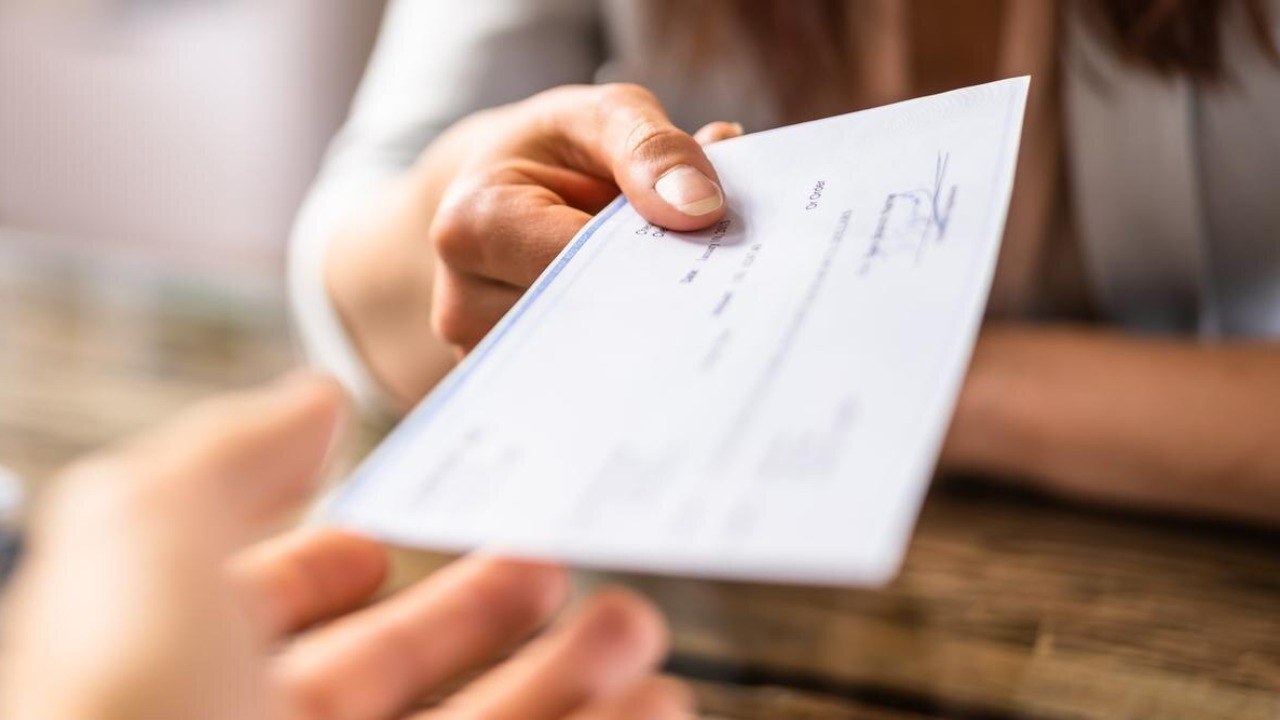
The State Treasurer’s Office says the program matches qualified unclaimed property to the person who owns it and starts payment on its own, with no additional paperwork. The office mails a notification letter, and the check is mailed roughly four to six weeks after the letter arrives, to the address printed on that letter.
Unclaimed property is money that a business could not deliver to its owner. Loftis’s office lists forgotten bank accounts, uncashed checks, insurance proceeds, utility deposits, stocks and bonds among the sources. Companies turn the money over to the state, and the state holds it until the owner turns up.
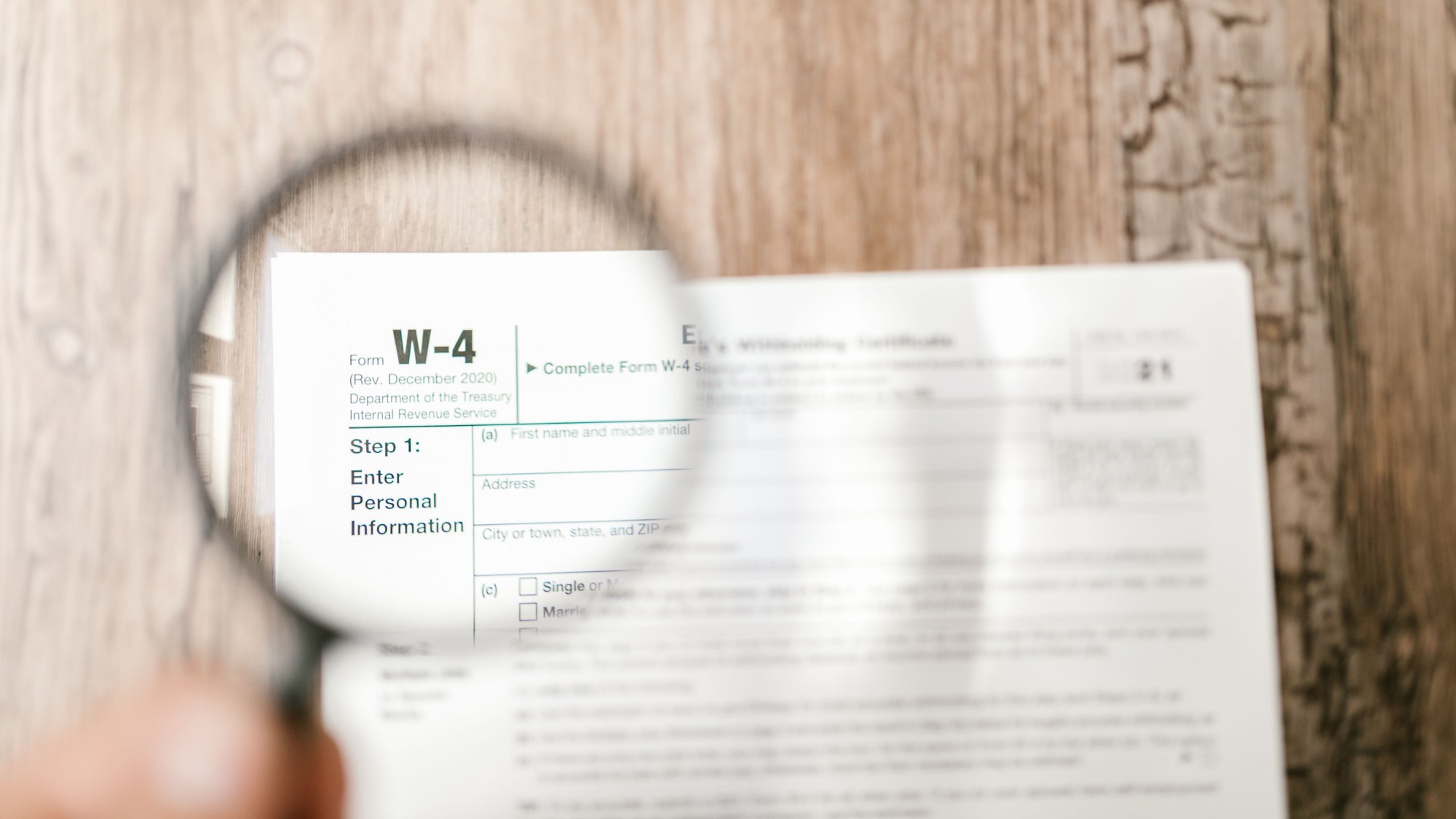
That makes a South Carolina envelope a different kind of mail. A recipient does not have to file anything unless the letter has wrong information, such as a misspelled or changed name or an outdated address. In that case the office says to call the number on the letter and give the Claim ID printed on it.
What changed this year: Social Security and Medicare change every year, and nobody sends you a memo. The Retirement Money Brief breaks down what changed and what to do. Bonus when you subscribe: our Open Settlements & Refund Tracker.
Get the Brief and the settlements tracker →
We may earn a commission from links on this page.
What the treasurer said when the checks started
Loftis announced the program on May 5, 2025, from Columbia. The first wave totaled more than $600,000 and was set to reach thousands of South Carolinians, though the office did not give a check count. Checks were due in mailboxes the week of the announcement.
The launch release called the first distribution the start of an effort to return millions of dollars. It listed dormant bank accounts, stock certificates, uncashed paychecks, insurance proceeds and utility deposits as the kinds of property being matched, and it said some unclaimed property cannot be validated this way.
The treasurer’s office put the odds in plain terms at the launch. It estimated that one in seven South Carolinians has unclaimed property and that the average item is worth more than $500. Those are the office’s own estimates, not a promise about any one person’s check.
“We want to make it easier for South Carolinians to get their forgotten funds back,” Loftis said in the announcement. He described the effort as “about efficiency, accuracy, and ultimately, about serving the people of our state.” The office has not published a count of letters or checks for its current mailings.
The 90-day clock on each check
Each Palmetto Payback check is “only valid for 90 days from the date of issue,” according to the program page. Uncashed checks are voided. A voided check does not end the matter, because the money can still be recovered through the standard claims process on the treasurer’s website.
The address matters because the check goes wherever the letter went. Someone who moved after the money was reported, or whose name changed, is exactly the person the office tells to call the number on the letter. The Claim ID on the letter is what the staff asks callers to read back.
Not every item qualifies for the automatic route. Loftis said at launch that not all unclaimed property can be validated through the special initiative. For those items, the office says to submit a claim on its website with whatever documents prove ownership, and the search page lists individuals, estates, businesses, churches and charities as possible owners.
Anyone unsure about a letter can skip the phone number and search the state database directly. The treasurer’s site links its official search portal, and the same page lists tools for checking the status of a claim already filed.
A record year, and the search tool behind it
On August 27, 2026, the treasurer’s office said it had returned more than $52 million in unclaimed property in a record-breaking year. Since Loftis took office in 2011 the office says it has returned over $470 million, more than 4.5 times the combined total of every earlier South Carolina treasurer. The release does not break out Palmetto Payback.
Loftis said in that release that the money has helped families repair roofs and heating and cooling systems and pay for education, weddings and vacations. “Unclaimed property belongs to our citizens,” he said. He added, “Breaking a record is exciting, but we’re not finished.”
The office asks everyone to search its database at least once a year, including people who already got a Palmetto Payback check. The unclaimed property page says the search takes about a minute, that companies unable to find owners transfer millions of dollars to the program every year, and it points to portals for checking claim status and uploading proof of ownership.
The National Association of Unclaimed Property Administrators, which runs unclaimed.org, says to search the official government site for each state rather than an intermediary. It also points to MissingMoney.com, the national database most states join, which the association manages.
Could another state be holding money under an old address?
A Palmetto Payback check is good for 90 days and goes only to the address on the letter. Anyone who has lived in more than one state can have unclaimed property in several, and each state runs its own search and its own claims process.
The Settlement & Refund Recovery System includes a 5-tab Excel tracker pre-filled with all 51 state unclaimed-property offices and a source vault of the 12 official places money sits. It also teaches the four-date rule for reading a settlement notice. It organizes the search; it does not file claims or pay anyone.
Track every state’s unclaimed-property search with the 51-office tracker →
More Financial Reading
- 21 Ways to Stretch a $2,087 Social Security Check
- 15 Places to Find Your Share of the $4.25 Billion States Give Back
- 15 Ways Retirees Are Tapping a Record $14.9 Trillion in Home Equity
This article was produced with AI assistance and edited for accuracy against the sources linked above.