
Treasury Secretary Scott Bessent has opened the door to a possible extension of the 2026 federal tax filing deadline. Taxpayers, however, are still stuck in a familiar position: preparing for April 15 while Washington leaves room for something else. That tension is what makes this filing season different. The IRS has already begun accepting 2025 returns and is telling Americans to file electronically, use direct deposit, and expect the normal spring calendar to remain in place. At the same time, the agency is processing returns under a major new tax law, working without its Direct File program, and operating under the cloud of workforce cuts.
This is amidst warnings from tax experts that it could make the season unusually fragile. So while no nationwide postponement has been announced, the idea has moved from pure speculation into something closer to a live policy question. For taxpayers, preparers, and software companies, this is important because the difference between a rumor and an official deadline shift. A shift that can determine when people file, when they pay, and how much risk they take by waiting.
Why the extension talk is getting attention
The reason this story has legs is simple: the 2026 filing season opened with more moving parts than usual. The IRS said it expects about 164 million individual returns for tax year 2025 and confirmed that the standard federal deadline is Wednesday, April 15, 2026. But the same filing season is also the first one shaped by the Trump-backed tax package signed in 2025, which made multiple changes that affect 2025 returns being filed now. As a result, a real administrative challenge was created.
Some tax provisions took effect retroactively, meaning the IRS had to update forms, instructions, and filing guidance for a season that was already approaching fast. The agency has acknowledged that the law significantly affects federal taxes, credits, and deductions. The National Taxpayer Advocate also mentioned that several new provisions had to be reported on 2025 returns during the current season.
That backdrop makes even an informal hint about a deadline change more meaningful than it would be in an ordinary year. A postponement would give the IRS more time to absorb questions, correct problems, and handle returns tied to new deductions and revised reporting rules. It would also give taxpayers breathing room if they are still figuring out how the changes affect their refunds or balances due.
What the IRS has officially said
For now, the most important fact is also the least exciting one: the IRS has not changed the national filing deadline. In its filing-season launch announcement, the agency said it began accepting and processing federal individual income tax returns on January 26 and expects returns to be filed ahead of the April 15 deadline. In a separate early-January announcement, it again said taxpayers have until April 15, 2026, to file 2025 returns and pay any tax due.
That means taxpayers should treat April 15 as the real deadline unless Treasury or the IRS publishes something more formal. The IRS does not move a nationwide due date through offhand comments. When it grants broad relief, it typically does so through an official release. Official releases spell out who qualifies, which forms are covered, and whether both filing and payment dates have been postponed.
The difference between an extension and a postponement
This is where a lot of readers get tripped up. Taxpayers who need more time can already request an automatic extension, usually by filing Form 4868. Alternatively, they can also make an electronic payment tied to an extension request. That pushes the filing deadline to October 15, 2026. But an extension to file is not an extension to pay.
The IRS is explicit on that point. Taxes still have to be paid by the April due date to avoid interest and possible penalties. So even if someone plans to file later, waiting to pay can get expensive quickly. A blanket postponement is different. When the IRS grants broad relief, it can move both filing and payment deadlines for a defined group of taxpayers. That is why any nationwide delay would be a bigger deal than the routine extension process most filers already know.
The IRS has already shown how deadline relief works
The mechanism is not theoretical. The IRS has continued to grant disaster-related postponements when conditions warrant. In Washington state, for example, taxpayers affected by severe storms, flooding, landslides, and mudslides received relief that postponed various deadlines to May 1, 2026. In Texas and Wisconsin, the IRS announced separate disaster relief that pushed certain deadlines to February 2, 2026. Louisiana taxpayers impacted by severe winter storms also received relief into late March.
Those are significant examples because they show both the agency’s authority and its process. When the IRS moves deadlines, it does so in writing. It identifies the affected areas, the new due dates, and the returns and payments covered. If Treasury ultimately decides that policy complexity or administrative strain justifies broader relief, taxpayers should expect the same type of formal notice, not a vague suggestion.
Direct File is gone, and that adds strain
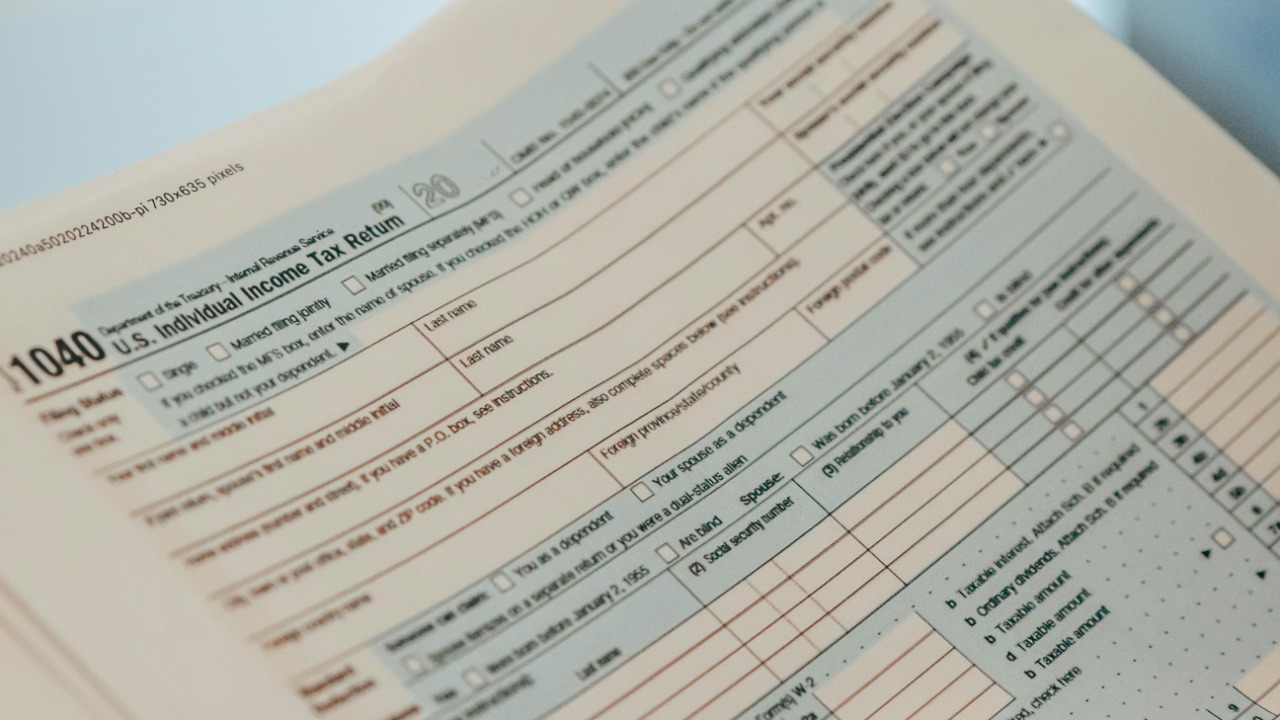
Another factor making the season harder to navigate is the disappearance of Direct File. The Associated Press reported in November that the free IRS-run filing program would not be available for Filing Season 2026, citing an IRS email to participating state officials. That means taxpayers who might have used the program are back to choosing between options. Now, they have to select between using commercial software, volunteer preparation help, or filing on paper. On its own, that would already be a notable change.
Combined with new tax deductions, revised reporting rules, and the possibility of heavier call volumes, it adds to the sense that 2026 is not a normal filing year. The National Taxpayer Advocate warned before the season that the combination of a smaller workforce and significant tax law changes created real risks for taxpayers who run into problems.
What taxpayers should do now
For the moment, the smartest approach is the boring one. Taxpayers should assume April 15, 2026, is the deadline for filing and paying. That’s unless the IRS says otherwise in an official notice. That means gathering forms early, checking whether the new law changes deductions or credits, and preparing for the possibility that refunds and questions may take longer to sort out than they would in a quieter year.
For anyone who expects to owe, the safest move is to plan around payment by April 15. That is even if there is still chatter about an extension. For those who need more time to finish a return, the normal extension process remains available. And for everyone else, the best filter is to ignore rumor and watch the IRS itself. Bessent may have signaled that a tax filing deadline extension is on the table.
But until Treasury or the IRS puts that in writing, the story is not that taxpayers have more time. It is that Washington is hinting at flexibility while the country files under the old deadline and waits to see whether that flexibility ever becomes real.
Sources: IRS filing season opening announcement, IRS first-day filing season guidance, National Taxpayer Advocate annual report summary, IRS overview of the 2025 tax law changes, Associated Press on the start of filing season, Associated Press on Direct File ending for Filing Season 2026, IRS extension guidance, IRS Washington disaster relief, IRS Texas disaster relief, IRS Wisconsin disaster relief, IRS Louisiana disaster relief.

Paul Anderson is a finance writer and editor at The Financial Wire. He has spent seven years writing about investment strategies and the global economy for digital publications across the US and UK. His work focuses on making sense of economic policy, cost-of-living issues, and the stories that affect everyday Americans.