No legitimate financial institution deputizes its customers. Yet a recurring con depends on convincing an older account holder that the bank, or the FBI, needs their personal help to trap a dishonest teller or a crooked employee. The mission sounds noble and confidential. In reality, the withdrawn cash is the prize, and the caller is the only crook in the story.
The “secret investigation” cover story
The pitch is flattering by design. A caller claiming to be a bank investigator, a fraud-department officer, or a federal agent explains that an insider is suspected of stealing, and that catching the thief requires a trusted customer to withdraw a large sum in cash so investigators can trace how it is handled. The target is cast as a hero in a sting operation, sworn to secrecy.
That secrecy demand is the point. The caller insists the account holder tell no one, not family, not the branch staff, because word could tip off the suspect. Isolation keeps the target from hearing the one outside voice that would puncture the story, and it buys the scammer time before anyone notices the money is gone.
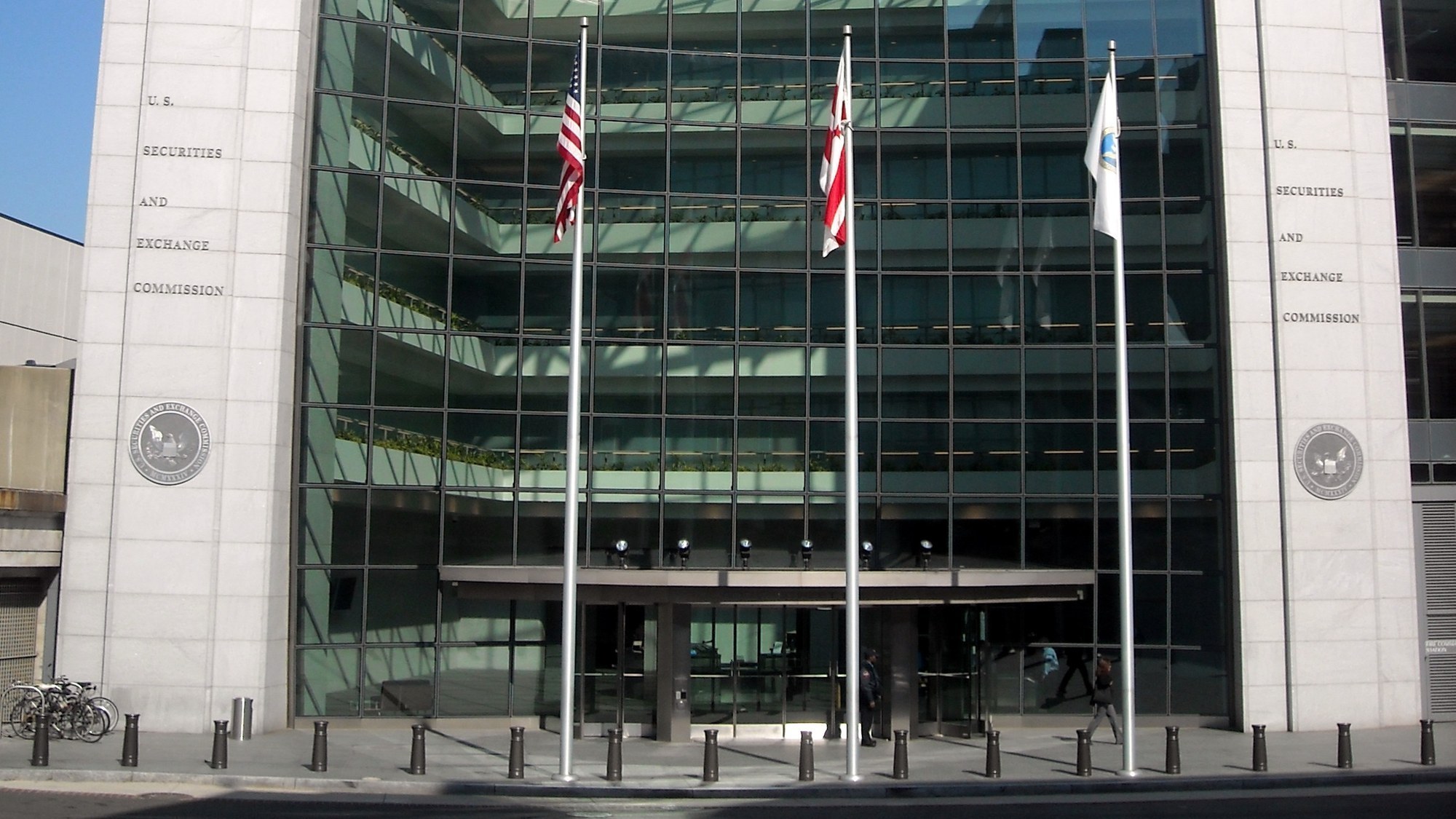
The FBI, in its overview of common frauds and scams, warns that impersonators of banks and government agencies use urgency, secrecy, and authority to pressure victims into moving money, and that federal agents do not call private citizens to arrange cash withdrawals or hand-offs. A real investigation never runs on a customer’s savings.
Free retirement updates: Scam calls targeting retirees change every week. Our free Retirement Shield newsletter flags the ones going around and the one tell that stops each. Sign up free.
Where the cash actually goes
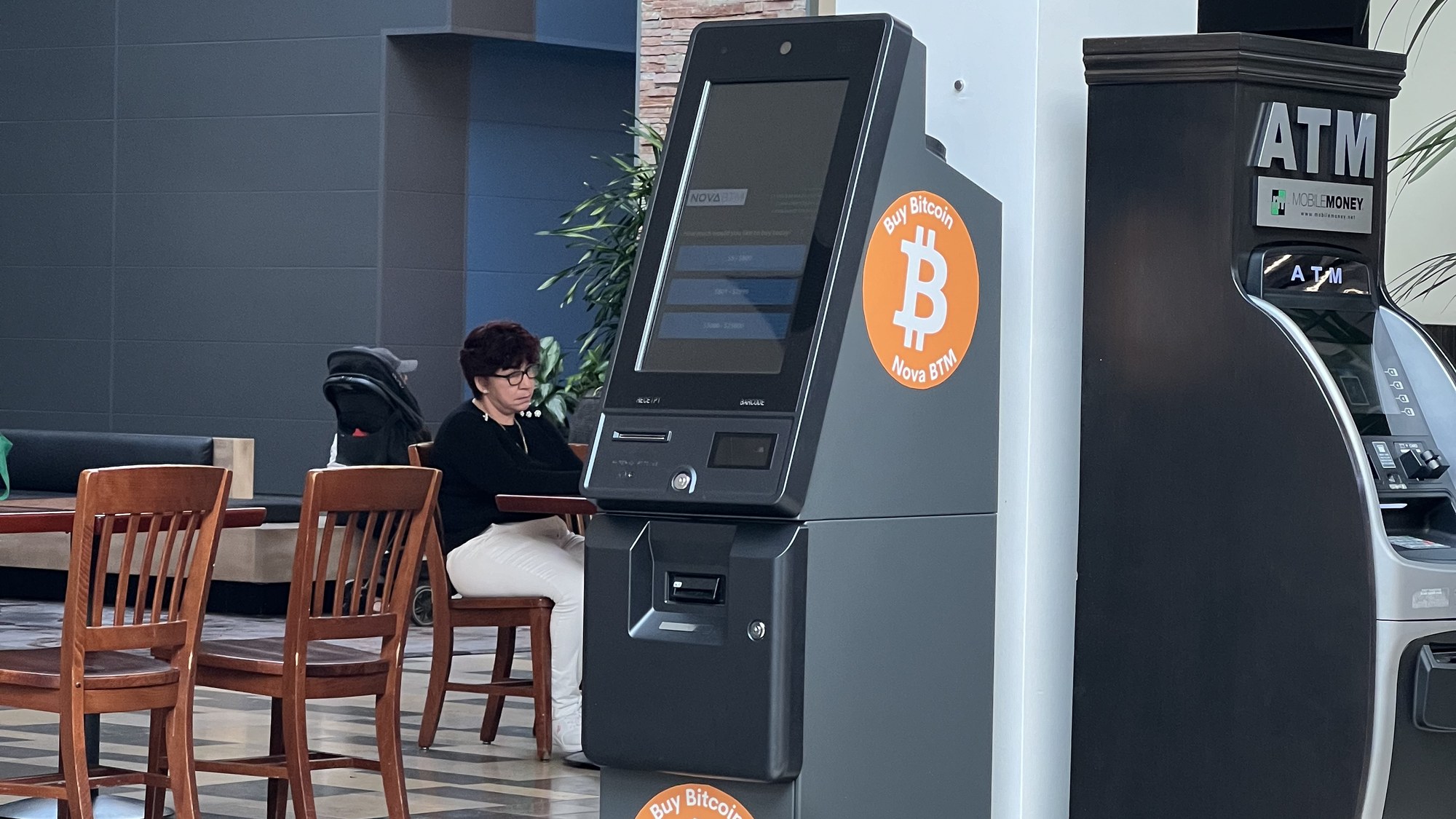
Once the money is out of the account, the scammer supplies the exit. In many versions a “courier” or “agent” arrives at the target’s home to collect the cash as evidence, sometimes with a receipt that means nothing. In others, the target is told to buy gold, deposit the money into a cryptocurrency machine, or wire it to a “secure” holding account for the duration of the investigation.
Every one of those channels shares the same feature: the cash cannot be recovered once handed over. There is no investigation, no dishonest teller, and no return of the funds afterward. The elaborate story exists only to move a customer’s own money from a protected bank account into a scammer’s hands as quickly and quietly as possible.
Older savers are singled out because they are more likely to have substantial balances and to answer an unknown call politely. The con leans on respect for authority, a real bank or the FBI asking for help feels legitimate, precisely to short-circuit ordinary skepticism.
The requests that never come from a real bank
Certain instructions have no honest version. A genuine bank or law-enforcement agency will never ask a customer to withdraw cash to assist an investigation, never send someone to a home to pick up money or gift cards, and never require secrecy from family or branch staff. Investigators who suspect internal theft use their own records and personnel; they do not need a depositor’s savings as bait.
Spoofed caller ID makes the deception harder to spot, since the incoming number may display the bank’s real name or a government line. That display proves nothing. Impersonators also stitch together multiple “officials,” a bank rep who hands the call to a supposed federal agent, to make the story feel corroborated when it is a single crew reading a script.
How the pressure escalates when a target hesitates
The moment an account holder wavers, the script tightens rather than relents. The caller may layer on a second or third supposed official, a “supervisor,” a “case agent,” a “compliance officer,” each confirming the story and each adding weight, so a lone doubt is met with a chorus of authority. The tone shifts from flattery to consequence: hesitation, the target is warned, could tip off the suspect, ruin the operation, or even draw suspicion onto the account holder for obstructing it.
Time pressure does the rest. The caller insists the withdrawal must happen today, before the branch closes or the suspect strikes again, leaving no window to think, ask, or check with anyone. Some crews stay on the line during the drive to the bank, coaching the target on what to tell a teller who asks why so much cash is needed. That coaching is itself the clearest tell: a legitimate institution never rehearses a customer to mislead its own staff, because there is no investigation for the customer to protect.
Breaking the script before the money moves
The reliable defense is to end the call and verify independently. Hanging up and phoning the bank directly through the number on a debit card or a statement, rather than any number the caller gave, routes the question to people who can confirm in seconds that no such investigation exists. Simply telling a family member or branch employee about the request often ends the scheme, which is exactly why the caller demanded silence.
No cash should be withdrawn, no courier met, and no gold or cryptocurrency purchased on the strength of a phone call. Suspected impersonation scams can be reported to the bank’s fraud department and to the FBI’s Internet Crime Complaint Center at its official reporting portal, which helps investigators track the crews behind these calls.
The premise itself is the tell. Real institutions guard their customers’ money; they do not enlist customers to gamble it in an undercover operation. Any caller asking for that kind of help is not protecting the account, but emptying it.
This article was researched and drafted with AI assistance and reviewed against the linked primary sources.
More Financial Reading
- Bank statements: how long to keep them and when to toss them
- How many CDs can you park at 1 bank? FDIC rules you must know