The phone rings with an urgent warning: the electricity will be shut off within the hour unless an overdue balance is paid immediately, and only through a mobile payment app. The threat is engineered to trigger panic before there is any time to think it through. It is one of the most common cons aimed at older households, and a genuine utility company simply does not operate this way.
Why the one-hour deadline is the whole trick
The manufactured emergency is the engine of a utility scam. A caller claims the account is dangerously past due and that a disconnection crew is already on the way for the gas, water, or electricity. That compressed timeline exists for a single reason: to force a payment before the target can hang up and check the story against a real bill or a real customer-service line.
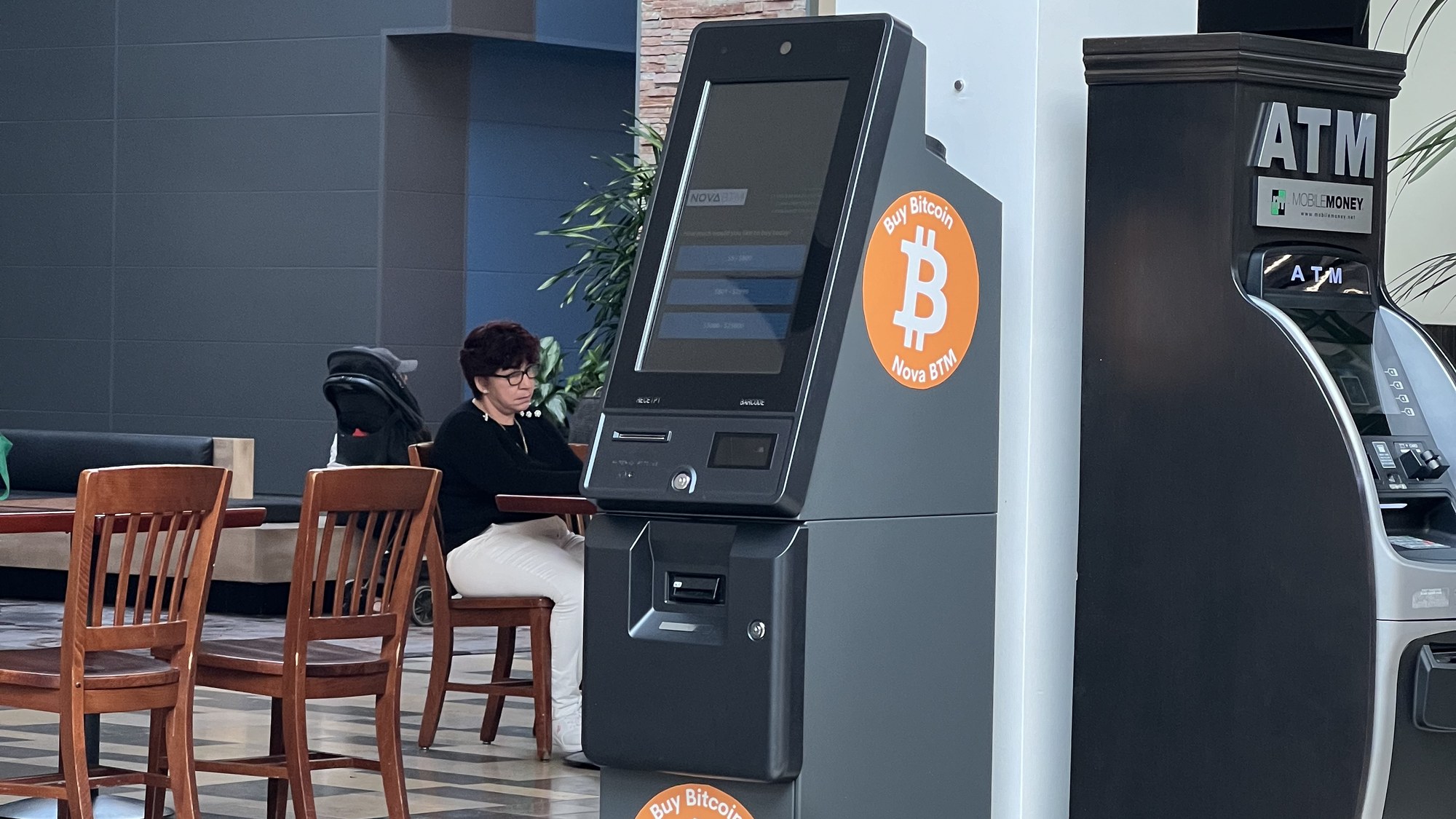
The second signal sits in how the caller insists on being paid. Scammers steer targets toward a payment app, a wired transfer, cryptocurrency, or the numbers off the back of a gift card, because money sent those ways is extraordinarily difficult to trace or reverse. A legitimate provider offers ordinary billing options and never treats one app or one gift-card brand as the only acceptable channel.
The Federal Trade Commission is blunt on the point. An unexpected call, text, email, or in-person visit that threatens to cut service unless money changes hands right now is a scam, and the agency’s guidance on spotting and avoiding scams stresses that only a fraudster demands payment by wire transfer, payment app, gift card, or crypto. The false urgency and the untraceable payment method together are the entire con.
Free retirement updates: Scam calls targeting retirees change every week. Our free Retirement Shield newsletter flags the ones going around and the one tell that stops each. Sign up free.
How a real utility actually handles an overdue balance
Actual utility companies move slowly and on paper. A missed payment produces written notices mailed out over weeks, a clear statement of the exact amount owed, and a defined window to respond or arrange a payment plan long before any shutoff. Regulated providers operate under state rules that require advance written warning and, in many states, block disconnections during extreme heat or cold.
None of that machinery collapses into a single phone call demanding money in the next sixty minutes. When a caller refuses to let the customer verify the balance independently, insists the crew cannot be called off, or grows aggressive at the first question, the behavior itself is the evidence. Real account representatives expect customers to hang up and call back through official channels, and they do not punish that caution.
Older savers on fixed incomes are targeted precisely because a threatened loss of heat or power feels like a true emergency. The impersonator counts on that fear to override the slower, boring reality of how billing disputes are actually resolved.
The payment demands that should end the call
The requested payment method is often the fastest way to unmask the fraud. A demand to buy gift cards and read off the codes, to send funds through a peer-to-peer app to a stranger, to wire money, or to move cash into cryptocurrency has no legitimate place in paying a light bill. The FTC notes that scammers have even mailed or texted barcodes to be scanned at a retail counter, another channel a real utility never uses for a routine payment.
Impersonators also spoof caller ID so the incoming number appears to match the utility, and some pair the call with a lookalike text or email carrying the company’s logo. A convincing display name proves nothing. The test is not how official the contact looks but what it asks for and how fast it insists the money must move.
Confirming the account before any money moves
The defense against this scam costs nothing and takes minutes. The safest response to any shutoff threat is to hang up, ignore any callback number the caller supplies, and dial the customer-service line printed on a past paper bill or on the provider’s official website. That single step routes the question back to the real company and strips the impersonator of the urgency they depend on.
The FTC’s advice on scammers impersonating a utility company reinforces the rule: never pay anyone who says wire, app, gift card, or cryptocurrency is the only way, and verify any balance directly with the utility first. Suspected scams can be reported to the FTC and to the utility’s fraud line so the company can warn other customers.
A real provider will still be there tomorrow, willing to take an ordinary payment through ordinary means. The caller who insists it has to happen this instant, this one specific way, is not the utility at all.
The version that shows up at the door
The same scheme does not always come by phone. Impersonators sometimes arrive in person, wearing a shirt or carrying a badge meant to mimic the utility, and claim a meter must be replaced, a deposit collected, or an overdue balance settled on the spot to keep the service on. The uniform is a costume, and the demand for immediate payment is the same red flag at the doorstep that it is over the phone. A real utility schedules field work in advance and does not send a worker to collect a bill in cash or gift cards at the front door. When someone appears unannounced pressing for money that instant, the safe move is to keep the door closed, ask that the visit be verified through the company’s published number, and refuse to hand over payment or account details until it checks out.
This article was researched and drafted with AI assistance and reviewed against the linked primary sources.
More Financial Reading
- What really happens to your joint savings account when you die?
- How many CDs can you park at 1 bank? FDIC rules you must know