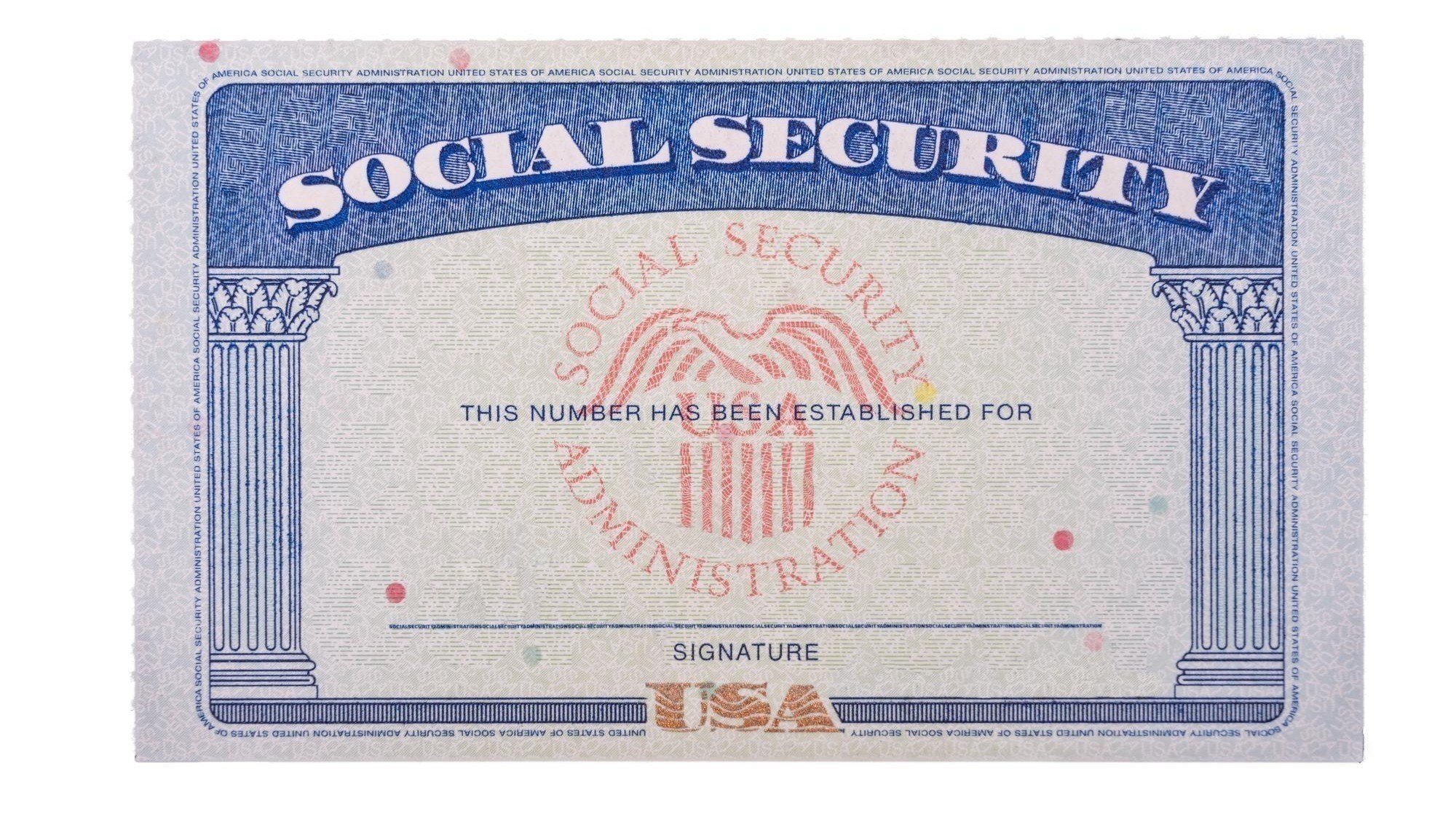
Millions of Americans who divorced decades ago still qualify for a Social Security payment tied to a marriage that ended long before retirement ever came into view. The rule is narrow but concrete: a marriage that lasted at least ten years opens a path to benefits on a former spouse’s earnings record, even if that spouse has since remarried or moved on entirely. Few divorced retirees realize the option exists, and fewer still understand how the payment is calculated or why it never touches the amount their former spouse collects.
SSA’s 10-Year Marriage Threshold and Who Qualifies
Federal regulation 20 CFR 404.331 sets the baseline test for divorced-spouse benefits. A person must have been validly married to the insured worker for at least ten years immediately before the divorce became final, must currently be unmarried, and must be age 62 or older throughout any month in which benefits are claimed. A divorced spouse whose own retirement benefit is smaller than half of the former spouse’s benefit is the one most likely to see a meaningful increase from filing under this provision.
The regulation also requires that the divorce be final for at least two years before a divorced spouse can claim benefits if the former spouse has not yet filed for retirement, a waiting period built to prevent one party’s claim from forcing the other into an early filing decision. A person who was married ten years or longer to more than one former spouse may be entitled to file against whichever record produces the larger benefit, according to the Social Security Administration’s regulations.
Free retirement updates: Miss an enrollment or claim deadline and it may be gone. Our free Retirement Shield newsletter keeps readers ahead of the ones that matter. Get the free newsletter.
How Much of an Ex-Spouse’s Benefit a Divorced Spouse Can Draw
The maximum divorced-spouse benefit equals fifty percent of the former spouse’s benefit calculated at that person’s full retirement age, not the higher amount the former spouse might eventually collect by delaying retirement past full retirement age. If the divorced spouse claims before reaching full retirement age, the payment is reduced for early filing, the same actuarial reduction applied to a worker’s own retirement benefit. According to the Social Security Administration, delayed retirement credits a former spouse earns after full retirement age do not increase the divorced spouse’s benefit, though they would raise a survivor benefit if the former spouse later dies.
A divorced spouse who has enough work history to qualify for a retirement benefit on their own record does not get to add the two payments together. Social Security’s deemed-filing rule combines the two: the agency pays the person’s own retirement benefit first, then adds enough from the divorced-spouse benefit to bring the total up to whichever amount is higher. A person with a small work record but a long marriage often ends up drawing almost entirely from the former spouse’s earnings history rather than their own.
Why the Former Spouse’s Payment Never Changes
The provision that surprises most applicants is the one protecting the former spouse. Benefits paid to a divorced spouse come from the same trust fund calculation used for every other dependent benefit and do not reduce the monthly payment the insured worker receives, regardless of how many former spouses file claims against that record. A worker who remarried after the divorce also sees no reduction on behalf of a current spouse.
Social Security does not require the former spouse’s permission or cooperation to process a divorced-spouse claim, and the agency does not notify a former spouse when an ex-wife or ex-husband files. An applicant who does not know a former spouse’s current address or marital status can still apply using the Social Security number, marriage dates, and divorce date on file, and the agency locates the rest of the record internally.
The Larger Survivor Benefit if the Former Spouse Has Died
A different and often larger payment becomes available if the former spouse has died. A surviving divorced spouse who was married to the deceased worker for at least ten years can qualify for a survivor benefit worth up to one hundred percent of the deceased’s benefit, rather than the fifty percent ceiling that applies while both former spouses are alive. Eligibility opens at age 60, or age 50 for a surviving divorced spouse with a disability, and the benefit grows the longer the applicant waits before filing, up to full retirement age.
Remarriage carries a different consequence at this stage. A surviving divorced spouse who remarries before age 60 generally loses eligibility for the survivor benefit on the earlier record, but remarrying at age 60 or later does not affect it, according to the Social Security Administration’s survivor-benefit eligibility rules. That distinction has caught retirees off guard when a later relationship is timed without accounting for it, sometimes costing a survivor benefit worth far more than a new spouse’s own retirement check.
The Paperwork That Determines Approval or Delay
Processing time depends heavily on documentation. Form SSA-2 instructs applicants to bring a certified divorce decree, a marriage certificate, and the former spouse’s Social Security number if it is known, along with the dates and locations of the marriage and divorce. Missing the divorce decree is the most common reason a field office holds a claim for further evidence, since the ten-year marriage length cannot be verified from a marriage certificate alone.
Remarriage generally ends eligibility for a divorced-spouse benefit unless the later marriage also ends, whether by divorce, annulment, or death, at which point the divorced-spouse benefit on the earlier record can be reinstated. For someone who married and divorced more than once, each union lasting ten years or longer stays a live option on file with the Social Security Administration, meaning the choice of which record to draw against can be revisited as circumstances change.
This article was produced with AI assistance and reviewed by The Financial Wire editorial team.
More Financial Reading
- How many CDs can you park at 1 bank? FDIC rules you must know
- Bank statements: how long to keep them and when to toss them