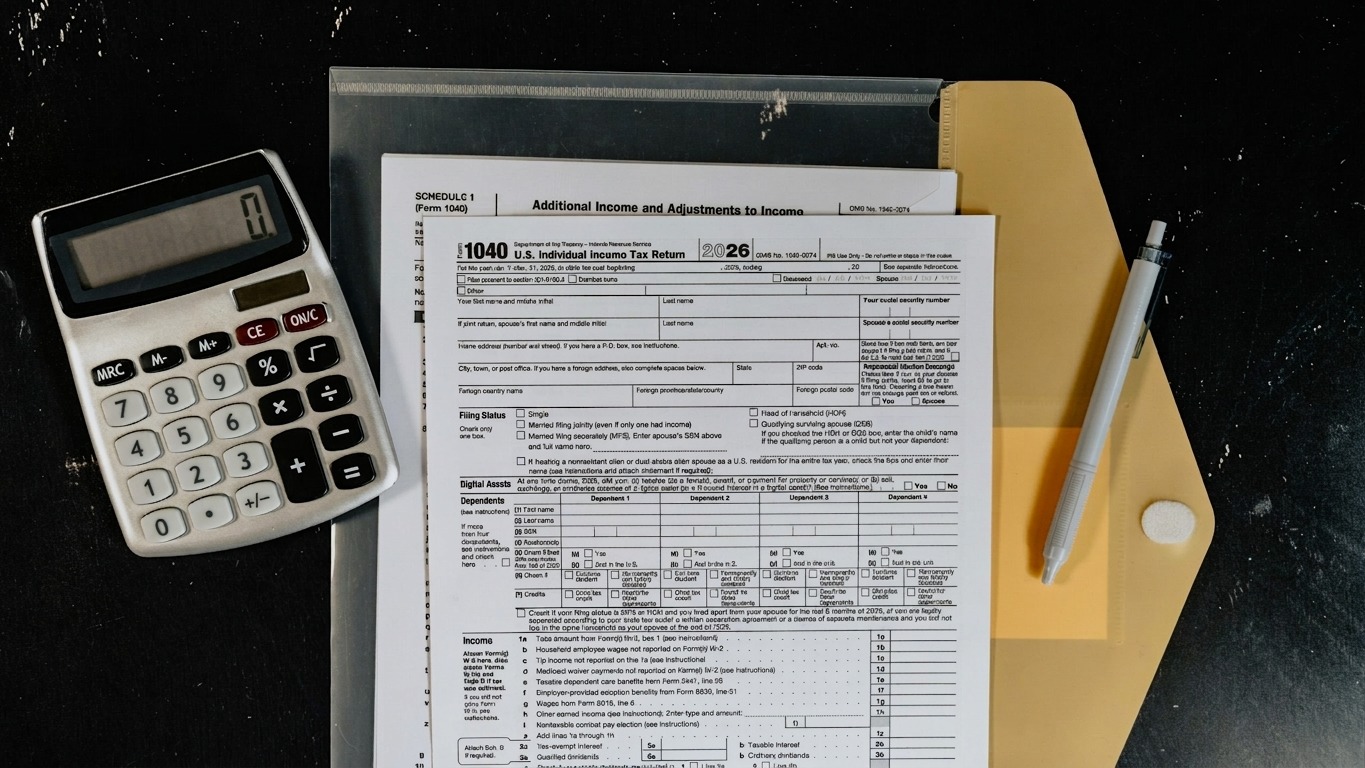
Each winter, before most households have even gathered their W-2s, criminals armed with stolen Social Security numbers race to file fraudulent tax returns and pocket refunds that were never theirs. The Internal Revenue Service hands taxpayers a free, voluntary tool that slams that door shut: a six-digit Identity Protection PIN. For older Americans, whose numbers have circulated through Medicare, pensions, and decades of paperwork, it ranks among the simplest defenses available.
How the Identity Protection PIN stops a return filed in someone else’s name
Tax-related identity theft runs on a calendar advantage. A thief needs only a name, a Social Security number, and a fabricated wage figure to submit an electronic return early in the season, steering the refund toward an account the criminal controls. The rightful taxpayer often discovers the crime only when a legitimate return bounces back as a duplicate, opening months of paperwork to prove who actually earned the income.
The Identity Protection PIN, known as an IP PIN, erases that head start. It is a six-digit number known only to the taxpayer and the agency, and it must appear on the return for the filing to go through. According to the IRS, once a taxpayer is enrolled, the agency automatically rejects any electronically filed return carrying that Social Security number without the correct PIN, and it flags paper returns missing the code for extra manual scrutiny. A criminal who does not hold the number cannot push a fraudulent return past the gate.
Free retirement updates: Scam calls targeting retirees change every week. Our free Retirement Shield newsletter flags the ones going around and the one tell that stops each. Sign up free.
Any taxpayer can enroll, and the code costs nothing
The IP PIN program was once reserved for confirmed identity-theft victims. It is now open to anyone with a Social Security number or Individual Taxpayer Identification Number, including people who are not required to file at all. There is no fee, and no income test. A retiree living on Social Security and a modest pension qualifies as readily as a full-time worker.
The fastest route is the online account on the IRS website, where an approved request produces a PIN on the spot in the profile’s IP PIN section. Taxpayers who cannot verify their identity online may request the number by mail or in person and receive it by U.S. mail, usually within a few weeks. The agency lays out the eligibility rules and step-by-step enrollment in its IP PIN frequently asked questions.
Using the code each year and guarding it from imposters
A single IP PIN is not permanent. The IRS issues a fresh one every year, and enrolled taxpayers who use the online account retrieve the current code before filing, while those in the mail program receive a new CP01A notice each January. The number goes into the tax software or is handed to a trusted preparer, and it shields both electronic and paper returns.
Confidentiality is the whole point. The IRS never calls, emails, or texts to demand an IP PIN, so any message pressing for one is itself a scam. A genuine PIN belongs only on the return or in the hands of a chosen tax professional, never spoken to a stranger claiming to be from the agency.
When the code is lost or fraud has already struck
A misplaced IP PIN does not push a taxpayer out of the program. The current number can be recovered through the same online account, and those locked out may follow the agency’s alternate retrieval steps rather than filing without it. Skipping the code on purpose is not an option once enrolled, because the return will simply be rejected.
When identity theft has already happened — a return refused as a duplicate, or an unexpected notice about wages from an employer the taxpayer never worked for — the response shifts to recovery. The taxpayer files an identity-theft affidavit and works through the agency’s resolution track, then enrolls in the IP PIN program to block a repeat the following year. Requested ahead of trouble, the six-digit code turns a stolen Social Security number into a key that no longer opens the lock.
Covering a spouse and dependents under the same roof
The protection is not limited to one person per household. A spouse can request a separate Identity Protection PIN for their own Social Security number, and the two codes operate independently on a jointly filed return, each guarding the number it belongs to. On a married-filing-jointly return, the primary filer enters their PIN, and a secondary filer who has enrolled enters theirs as well, so both names on the return are shielded rather than just one.
Dependents are the quieter target, since a child’s or an elderly relative’s Social Security number can sit unused for years and go unwatched. The agency allows a taxpayer to obtain an Identity Protection PIN for a dependent claimed on the return, which shuts off a thief’s ability to claim that dependent on a fraudulent filing. For a grandparent raising a grandchild or an adult child claiming an aging parent, that extra code closes a gap a criminal counts on no one noticing.
The enrollment path mirrors the individual process. Each person still verifies identity through the online account, or through an alternative route when online verification is not possible, and each receives a fresh six-digit number for the filing season. Managing several codes takes a little organization, but it extends the same automatic rejection of a bad return to everyone named on the paperwork.
This article was researched and drafted with AI assistance and reviewed against the linked primary sources.
More Financial Reading
- Adding someone to your bank account: tax traps and smart moves
- How many CDs can you park at 1 bank? FDIC rules you must know