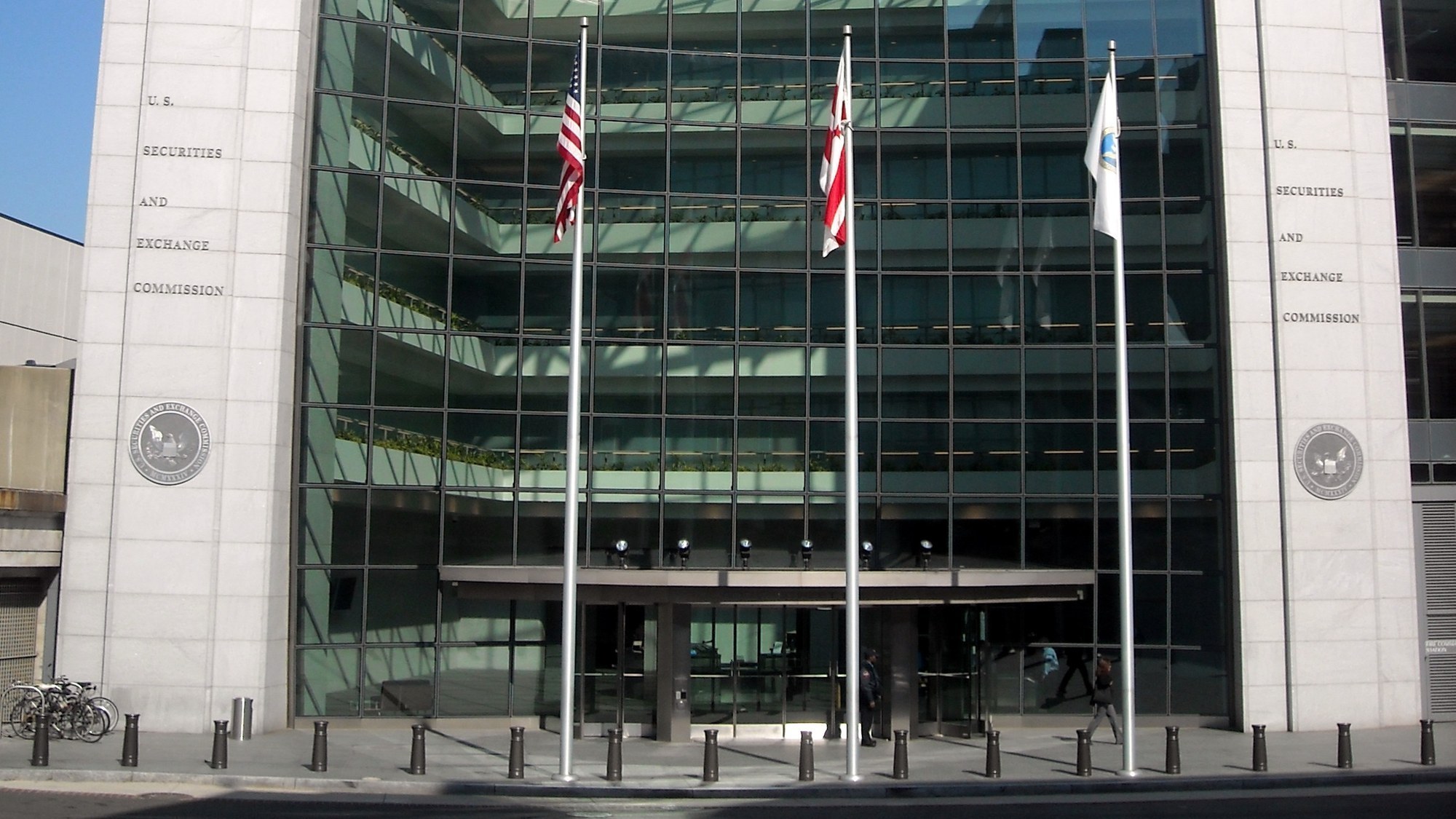
Not every investment that a broker or acquaintance describes as “exclusive” has been through the review that public stocks face. A large share of money raised in the United States flows through private placements sold under a set of Securities and Exchange Commission rules known as Regulation D, or Reg D, and those offerings are never vetted by regulators before the pitch reaches an investor. State securities regulators say that lack of oversight is exactly why unregistered private deals keep turning up among the frauds that drain older Americans’ savings.
Why “private” means thin disclosure and no referee
A private placement is a sale of securities that skips the registration a public offering requires, relying instead on an exemption under Reg D. The tradeoff for that shortcut is steep. Because the deal is not registered, no regulator has examined it, and the company does not have to hand over the detailed, audited disclosures a listed stock must provide.
The SEC’s investor education arm spells out the resulting risks in its bulletin on private placements: the investments are highly illiquid and may have to be held indefinitely, the disclosure is limited, an investor should be able to afford a total loss, and fraudsters actively use unregistered offerings to run scams. A retiree handing over a chunk of savings may have little independent information about whether the price, or the business, is real.
Free retirement updates: Scam calls targeting retirees change every week. Our free Retirement Shield newsletter flags the ones going around and the one tell that stops each. Sign up free.
Why regulators keep flagging these deals against seniors
The pattern is not a hunch; it shows up in the enforcement numbers year after year. Because Reg D offerings are not reviewed before they are sold, the North American Securities Administrators Association warns in its investor advisory on private placement offerings that they carry an increased potential for fraud, and that older investors are frequent targets.
State cases bear that out. NASAA’s annual enforcement reporting has repeatedly found unregistered securities among the most common products behind actions involving senior victims, a category that in some years accounted for a majority of elder-fraud cases the states pursued. A “private” label, in other words, is where a large slice of the damage to retirees originates.
Retirees are targeted for practical reasons: they often hold decades of savings in a rollover account, they tend to be reachable, and they are frequently drawn to pitches that promise a fixed income stream. Reg D deals show up dressed as promissory notes, real-estate partnerships, oil-and-gas ventures, and shares in a “pre-IPO” company, and the sales pressure often leans on the flattering label of “accredited investor,” implying the buyer has been let into something ordinary savers cannot access. In reality that status is a threshold based on income or net worth, not a mark of quality, and it removes some of the protections a registered offering would carry.
Checking a private deal before committing
A few steps separate a legitimate private offering from a con. An investor can ask whether the offering filed the required Form D with the SEC, confirm that the person selling it is licensed, and contact the state securities regulator to check for complaints or disciplinary history before any money moves. Pressure to qualify as an “accredited investor” on the spot, or to wire funds quickly, is a reason to slow down rather than speed up.
The size of the commitment matters too. Because these investments can be impossible to sell and may be a total loss, regulators stress that no retiree should put money into one that they cannot afford to lose entirely, and certainly not funds needed for living expenses or a rollover meant to last through retirement. A promoter who discourages questions, cannot produce a filing, or insists the chance will vanish unless a check is written today is describing the behavior of a fraud, not an exclusive opportunity.
The paperwork a real offering leaves behind
A legitimate Reg D deal generates a documentary trail, and asking to see it is a fair test. Most private placements file a notice called a Form D, which can be looked up in the SEC’s public EDGAR database, and serious offerings provide a private placement memorandum and subscription agreement that spell out the risks, the people running the company, and how the money will be used. A promoter who cannot point to a filing or hand over those documents is asking for trust that the paperwork is meant to replace.
Even a genuine filing is not a seal of approval. A Form D simply tells regulators an offering is being sold under an exemption; no one at the SEC has vetted the business or blessed the price. That distinction is the heart of the matter, and it is why the checks fall to the investor. Confirming the seller’s registration, reading the memorandum, and calling the state securities regulator before committing are the steps that separate the rare sound private deal from the far more common trap.
The consistent guidance from both federal and state regulators is that the absence of registration is not a mark of exclusivity but a gap in protection. Treating an unregistered private deal with more caution than a listed one, not less, is the posture that keeps a retiree’s savings out of the enforcement statistics.
This article was researched and drafted with AI assistance and reviewed against the linked primary sources.
More Financial Reading
- How many CDs can you park at 1 bank? FDIC rules you must know
- Adding someone to your bank account: tax traps and smart moves