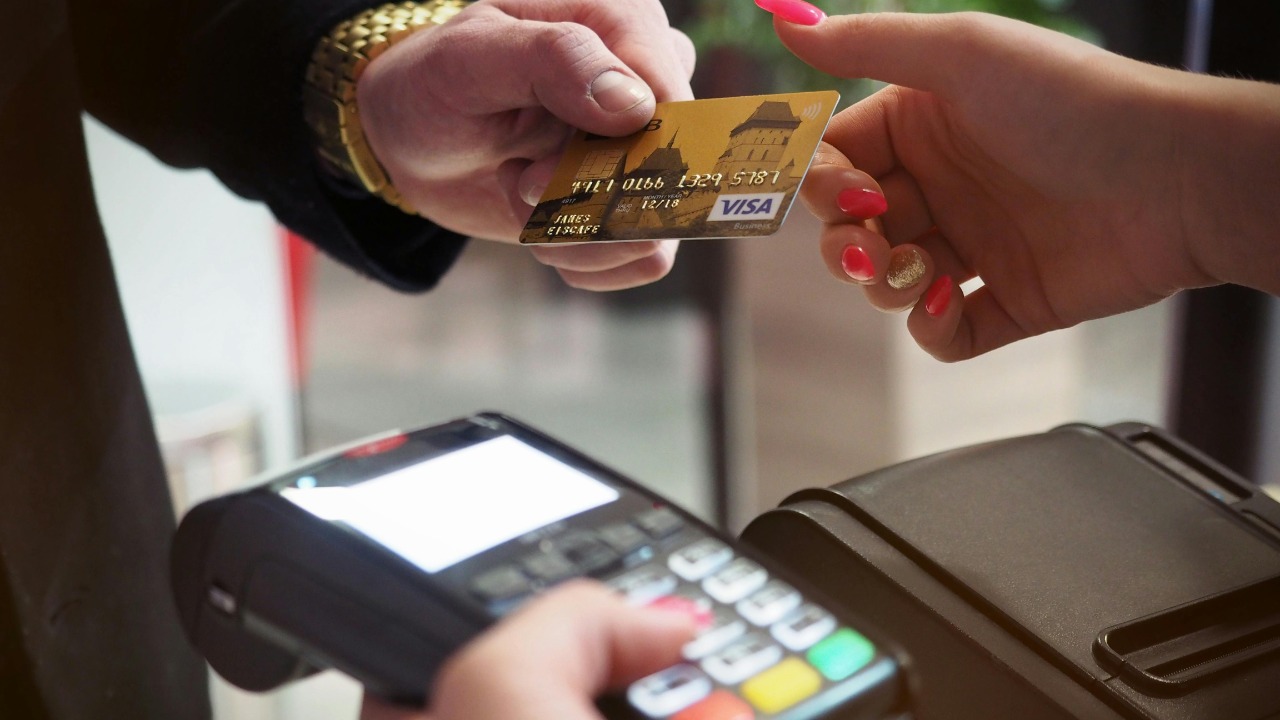
Not all ways of paying are equally reversible, and the gap matters most at the worst possible moment. A charge on a credit or debit card can be disputed, investigated, and often reversed. A wire transfer or an instant payment through an app like Zelle usually cannot. Once the money leaves, it lands in the recipient’s account almost immediately and, if that recipient is a scammer, it is typically pulled out and gone before anyone realizes what happened. Understanding that one-way nature before hitting send is the single best defense against the fast-payment scams that hit older Americans hardest.
Wiring money is like handing over cash
A wire transfer moves funds directly from one bank account to another, and speed is the whole point. That same speed is why it offers so little protection after the fact. Money wired to the wrong place does not sit in limbo waiting to be recalled; it is treated as final almost as soon as it arrives, which leaves a duped sender with no charge to dispute and no balance to freeze.
Consumer regulators put the risk in blunt terms. The Consumer Financial Protection Bureau describes wiring money as being like sending cash: once it is sent, a person usually cannot get it back. There is a narrow exception for certain international transfers, where federal remittance rules can give a sender a brief window, sometimes around 30 minutes, to cancel. But for a routine domestic wire or an instant app payment, no such cooling-off period exists, and by the time a victim recognizes the transfer was a mistake, the funds have already cleared and the account on the other end may already be emptied.
Free retirement updates: One number can cost or save hundreds a month in retirement. The free Retirement Shield newsletter surfaces the ones worth knowing. Sign up free.
Why scammers steer victims toward these methods
The irreversibility is not a bug the scammer tolerates; it is the reason they insist on it. According to the CFPB, fraudsters commonly demand payment by wire transfer, gift card, or cryptocurrency precisely because those methods move funds quickly and are hard to trace or undo. A caller who suddenly requires one of these, and rejects a check or a card, has revealed the con.
The pitch usually comes wrapped in urgency: a supposed grandchild in jail, a “fraud investigator” claiming an account has been hacked and money must be moved to a safe one, or an overdue bill that will trigger arrest today. The pressure exists to push the victim past the moment of doubt and onto an irreversible rail before they can stop and verify. The same logic explains the fake-check twist, where a scammer sends a check, tells the victim to deposit it and wire part of it back, then leaves the victim owing the bank once the check bounces.
How disputing a card charge differs
The contrast with card payments is what makes this worth knowing in advance. When a credit or debit card is used, federal rules give the cardholder the right to dispute an unauthorized or fraudulent charge, and the bank must investigate. A card payment can be reversed in a way a wire or an instant transfer almost never can, which is exactly why paying an unfamiliar party by card, when there is any choice, preserves a path to recovery that wiring destroys.
That difference does not make cards foolproof, but it changes the stakes of a mistake. A wrong card charge can often be unwound; a wrong wire usually cannot. For anyone weighing how to pay a party they do not fully know, that asymmetry is the deciding factor.
Instant payment apps sit closer to the wire side of that line than many users expect. A transfer sent through a bank’s built-in app lands in the recipient’s account in seconds, and the consumer protections that apply when a thief hijacks an account do not generally cover a payment the account holder was tricked into authorizing themselves. That gap is exactly the one scammers exploit when they coach a victim, step by step, to send the money “voluntarily.”
What to do the moment a mistake is spotted
Speed cuts both ways. Because recovery is unlikely once the money moves, the only real chance is to act instantly. A person who realizes a wire or app payment went to a scammer should contact their bank or the payment app immediately and ask whether anything can be done to stop or reverse it; on rare occasions a transfer can be halted if it has not fully settled. The next call is to report the fraud so investigators have a record.
It also helps to know that no legitimate caller creates the emergency in the first place. A real bank does not phone to say an account has been hacked and the balance must be wired somewhere “safe,” and no government agency collects a debt by instant app. The demand to move money right now, through a channel that cannot be undone, is not a detail of the request; it is the request.
The larger lesson from the CFPB’s guidance is to treat the demand for a wire, gift card, or crypto payment as the warning itself. A legitimate business, agency, or family member will not require an irreversible payment on the spot. Pausing to verify through a known, independent number, before the send button is pressed, is the step that still works, because after the money is gone almost nothing does.
This article was researched and drafted with AI assistance and reviewed against the linked primary sources.
More Financial Reading
- How many CDs can you park at 1 bank? FDIC rules you must know
- Adding someone to your bank account: tax traps and smart moves