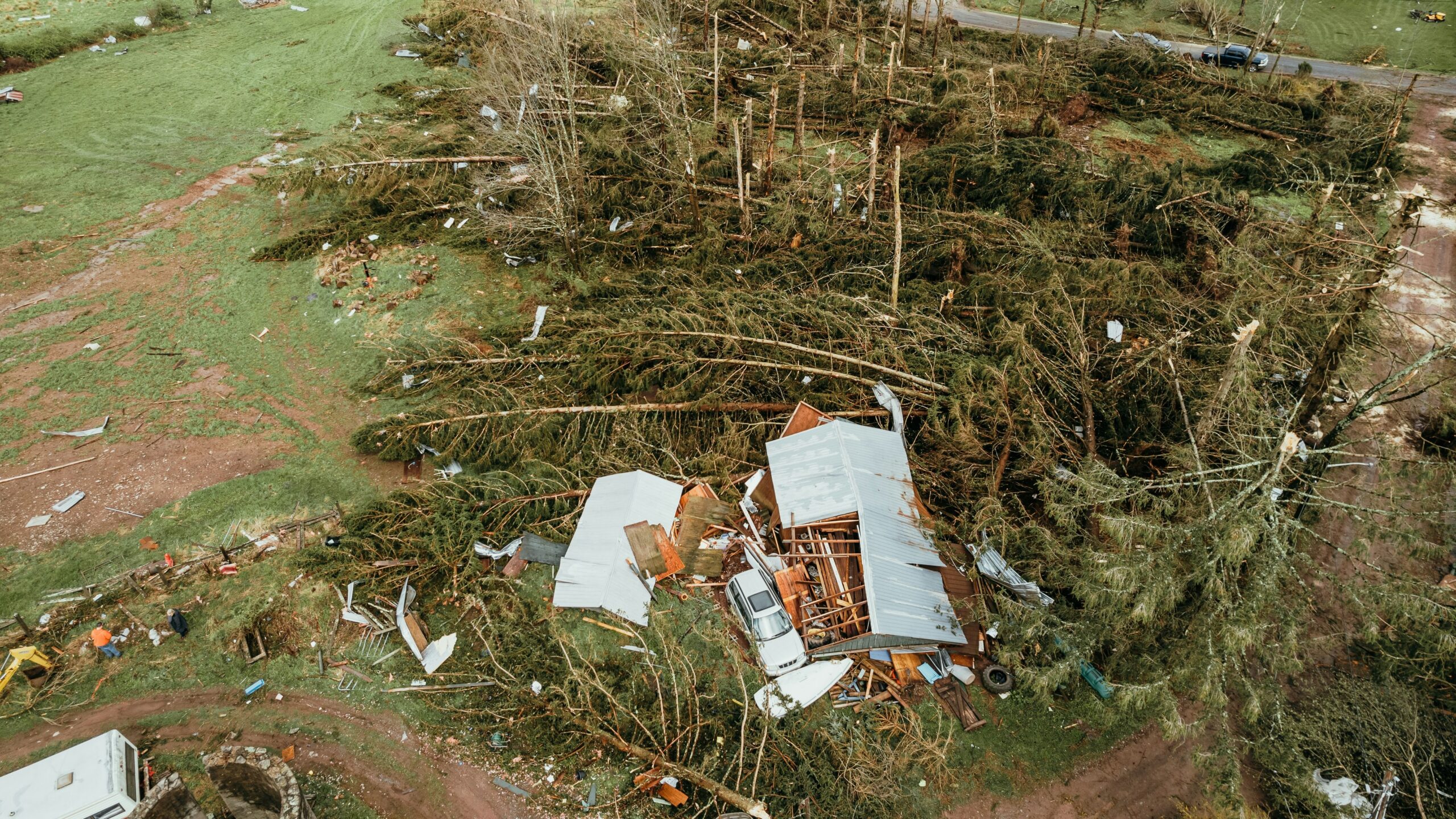
A hurricane, a wildfire, or a deadly flood does two things at once: it opens people’s wallets, and it opens a window for fraud. In the days after a disaster fills the news, fake charities and imposters posing as real ones flood phones and inboxes with urgent appeals. The money moves quickly and, in the case of a scam, disappears entirely. A few minutes of checking before giving is what separates a donation that reaches survivors from one that funds a con, and older Americans, who tend to give generously and answer the phone, are a favorite target.
The payment method is the fastest tell
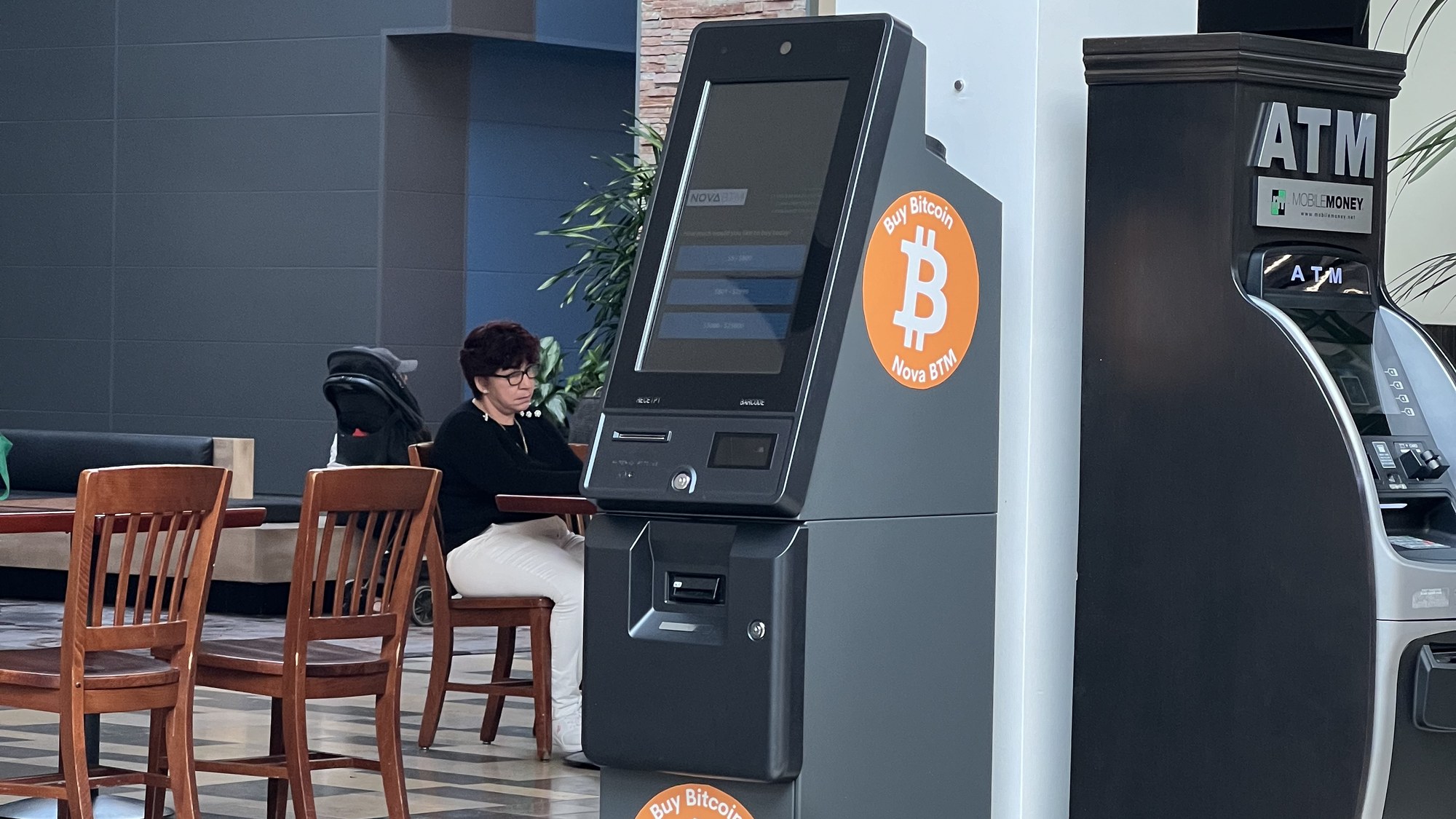
Before researching the organization at all, the way a solicitor asks to be paid often gives the scam away. Legitimate charities accept ordinary methods and are patient. A demand for a gift card, a wire transfer, cryptocurrency, or a payment app to a personal account is the signal to stop.
The Federal Trade Commission is blunt about it: anyone who asks for a donation by gift card, wire, or crypto is almost certainly running a scam, because those methods move money fast and are nearly impossible to reverse. Paying by credit card or check leaves a record and a way to dispute a fraudulent charge. A group that refuses to take a card or check, and insists on an untraceable method, has effectively identified itself.
Free retirement updates: Scam calls targeting retirees change every week. Our free Retirement Shield newsletter flags the ones going around and the one tell that stops each. Sign up free.
High-pressure appeals and copycat names
Disaster scammers rely on emotion and urgency. They push for a decision on the spot, thank the donor for a pledge no one remembers making, and lean on names that sound almost identical to well-known charities, swapping a word or two so the fake rides on the reputation of the real one. The pressure itself is the manipulation; a genuine charity is glad to receive a gift next week and will send written information on request. A caller who will not provide the organization’s exact name, address, and a way to confirm it independently is not one to trust with a card number.
The safer move is to slow down and give on the donor’s own terms. Rather than acting on an incoming call, text, or social media link, a giver can go directly to the charity’s own website, typed in by hand, or send a check to an address confirmed independently. That single habit defeats most of these schemes, because it takes the scammer’s chosen channel out of the equation.
Crowdfunding pages that circulate after a tragedy call for the same caution. Some are genuine and some are invented, and the platform hosting them may not verify that the money reaches victims. Giving to an established relief organization with a track record, rather than to an anonymous personal fundraiser, keeps a donation from disappearing into a page that no one is accountable for.
Confirming a nonprofit is real and tax-exempt
Verifying an organization takes only a search or two. A good first step is to look up the group’s exact name along with words like “complaint,” “review,” or “scam” to surface any warnings. For a claim of tax-exempt status, the IRS keeps a public database. Its Tax Exempt Organization Search confirms whether a group is a recognized tax-exempt charity and whether donations to it are deductible, which also matters for anyone hoping to claim the gift at tax time.
Independent charity evaluators add another layer, rating how much of each dollar reaches the mission versus overhead. None of this needs to take long, and for a name that appears only after a disaster, with no track record to check, the absence of any verifiable history is itself a reason to give elsewhere.
Confirming tax-exempt status carries a second benefit for older givers who itemize. A donation only counts as a charitable deduction when it goes to a qualified organization, so the same lookup that weeds out a fraud also tells a donor whether the gift can be claimed at tax time. A group that cannot be found in the IRS database, yet insists it is tax-deductible, has given the donor another reason to pause.
Giving on your own terms
The through-line in the FTC’s guidance is control. Scammers succeed by dictating the moment, the method, and the emotional pitch of a donation; a careful giver takes all three back. Deciding in advance which established relief organizations to support, then donating directly when a disaster hits, removes the improvised, pressured decision the fraud depends on.
Generosity after a catastrophe is worth protecting, not suppressing. Checking the payment method, resisting the rush, and confirming the organization through the IRS search or a trusted rating service lets a donor give freely while making sure the money lands where it was meant to go, with the survivors rather than the swindlers. The impulse to help is exactly what the fraud counts on, and the few minutes spent verifying are what keep that impulse from being turned against the giver.
This article was researched and drafted with AI assistance and reviewed against the linked primary sources.
More Financial Reading
- Bank statements: how long to keep them and when to toss them
- Adding someone to your bank account: tax traps and smart moves