About 43,674 light-up glasses, crown headbands, sparkle headbands and ties are being recalled because a child can access the button cell batteries that power them, according to a notice the U.S. Consumer Product Safety Commission published September 24. ABC Trading Inc., of Vernon, California, sold the items for about $1 apiece between September 2016 and May 2026 at its Los Angeles stores, at other specialty retailers nationwide and online. Anyone who bought one can get a refund, but only after emailing proof the item has been thrown away.
What the disposal-photo refund skips: CPSC’s process is one email with a trash photo, but nothing flags a copycat “recall refund” message, which The Settlement & Refund Recovery System’s scam-proof rules are built to catch. Tell a real recall refund from a fake →
What CPSC Says Is Actually Wrong With These Toys
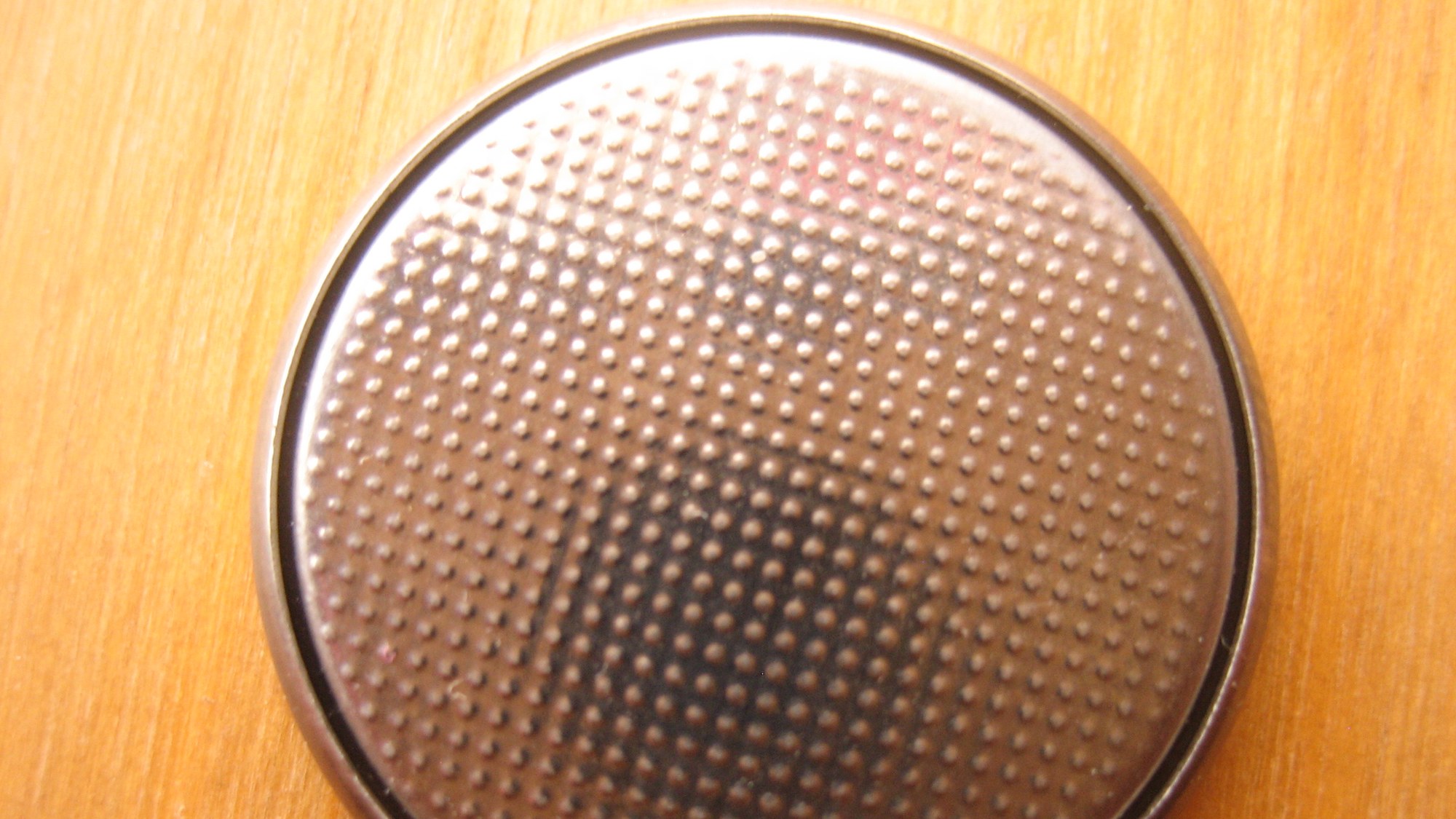
CPSC’s recall notice describes the hazard in mechanical terms: the button cell batteries inside the glasses, headbands and ties, along with the compartments that hold them, “can be easily accessed by children, posing a deadly ingestion hazard.” Button batteries are small enough to swallow and can burn through tissue within hours if lodged in a child’s esophagus, which is why CPSC classifies an accessible battery compartment as a serious enough defect to trigger a nationwide recall even on an item that costs close to nothing. The recall’s own title frames the stakes directly, warning of “Risk of Serious Injury or Death from Battery Ingestion,” language CPSC reserves for defects it considers among the most dangerous categories it regulates in children’s products, rather than the routine wording used for a choking hazard or a labeling error.
Who Is Still Holding One Of These
Light-up glasses, crown headbands and sparkle headbands read as novelty items, the kind bought for a birthday party, a holiday gathering, a classroom prize box or a grandchild’s goody bag rather than kept as a household staple. A grandparent or caregiver who bought several at a dollar apiece for a party years ago, then set the leftovers in a drawer, is a plausible owner of one of the 43,674 recalled units today, since the sales window CPSC lists runs a full decade rather than a single holiday season. That long a sales run also means the item could have changed hands more than once, through a hand-me-down bag of toys or a resale, without whoever has it now ever seeing the original packaging or price tag. CPSC’s notice, filed as recall number 26-799, states that no injuries have been reported in connection with the light-up glasses, headbands or ties, which means the recall is preventive rather than a response to a documented ingestion incident, according to the same CPSC notice.
A Decade Of Sales, Recalled At Once
ABC Trading sold the four recalled items, light-up glasses, crown headbands, sparkle headbands and ties, continuously from September 2016 through May 2026, per CPSC’s notice, meaning the recalled population spans roughly a decade of inventory rather than a single production run. The notice puts the total at about 43,674 units sold through ABC Trading’s own Los Angeles stores, other specialty retailers nationwide, and its website, abctradinginc.com, without breaking the count down by individual product type.
The Refund Runs Through One Email
CPSC’s notice lays out a single remedy path: a buyer emails a photograph “showing the product being disposed of in the trash” to recallabc@gmail.com to receive a refund. There is no mail-in form, no receipt requirement stated in the notice, and no dollar threshold; the process consists of destroying the recalled item, documenting that with a photo, and sending it to the address CPSC lists. ABC Trading’s phone line, 323-581-3688, is staffed 9:30 a.m. to 6 p.m. Pacific time on weekdays for anyone who wants to confirm the process before mailing anything or taking a photo, and the firm’s own site, abctradinginc.com/recall-2, is listed as a second place to check the same instructions rather than relying solely on a forwarded email or a screenshot of the notice.
Why A $1 Item Still Gets A Federal Recall
CPSC does not scale its recall authority to a product’s price. The commission’s mandate covers any consumer product that violates a mandatory federal safety standard, and the notice states these items violate the standard covering accessible button batteries in children’s products regardless of what they sold for. A $1 party favor that ends up in a child’s mouth carries the same ingestion risk as a far more expensive toy with the same battery flaw, which is the underlying reason CPSC treated roughly 43,674 units of a dollar-store item as seriously as it would a larger, costlier recall. Price is also a poor proxy for how many of an item are still in circulation: a $1 novelty sold across a decade at multiple retail channels can end up scattered through far more households than a single expensive product sold in smaller numbers, which is part of why the unit count on this recall runs into the tens of thousands despite the low price tag.
Telling A Real Recall Refund From A Copycat
The genuine process CPSC published asks for exactly one thing: a photo of the discarded toy, sent to ABC Trading’s own recall address. It never asks for a bank account, a card number, a Social Security number or a shipping fee to “process” the refund, and CPSC’s notice is the authoritative record of that fact for anyone who receives a message claiming otherwise. A household that bought several of these items over the past decade, for a party, a classroom or a grandchild’s gift bag, has more reason than most to know that detail before responding to anything that looks like a follow-up on this recall.
The One Step Between Disposal And A Refund
CPSC’s notice sets a narrow, specific refund path: one email to ABC Trading with a photograph proving the light-up glasses, headband or tie went into the trash, sent to the recall inbox rather than a claims portal or a reimbursement form. That simplicity is also what a copycat message can imitate cheaply, since it costs a scammer nothing to ask for the same photo, plus a bank or gift-card number the real recall never requests.
The Settlement & Refund Recovery System includes the four-date rule for reading any consumer notice and a claim log and payment tracker for recording when a refund request like this one was sent and confirmed.
Log the disposal-photo refund request in The Settlement & Refund Recovery System.
This article was produced with AI assistance and checked against the primary sources linked above.