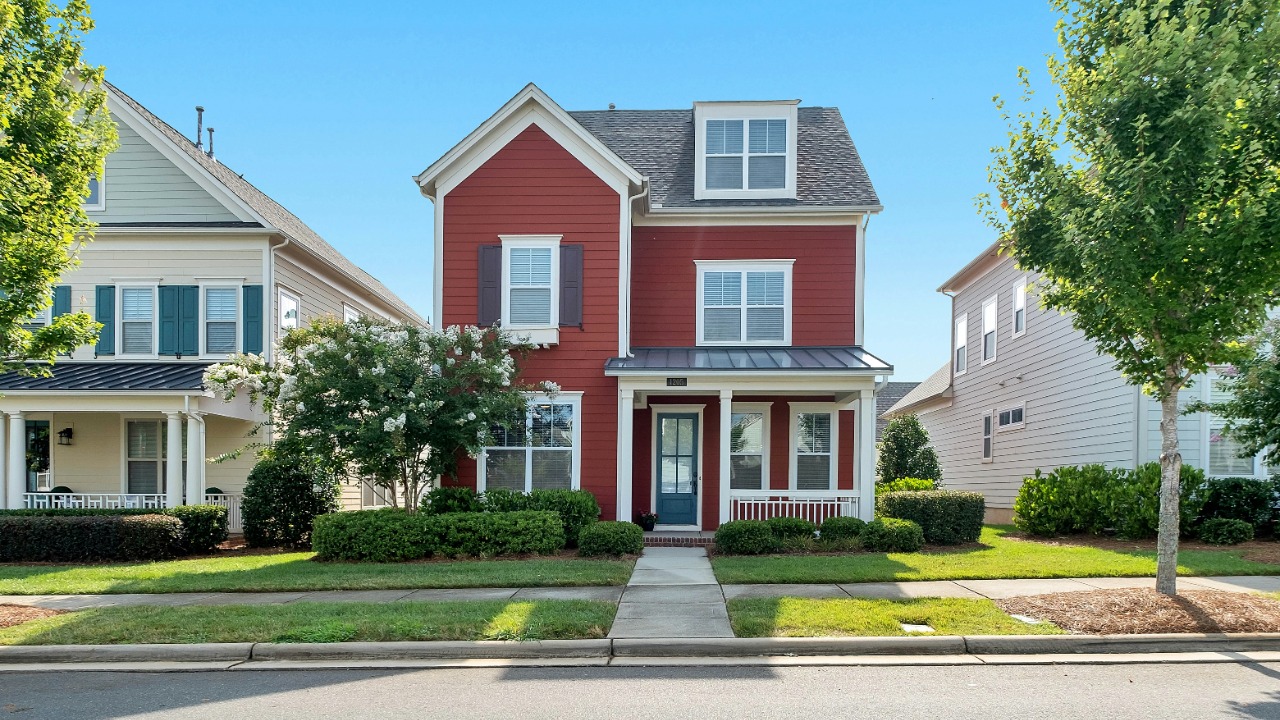
Home sellers across the United States entered May 2026 facing a market that has tilted steadily against them for two and a half years. Active listings climbed for a 30th consecutive month as buyer demand stayed tepid, pushing a growing share of sellers to slash asking prices. US home sales were flat in April, according to reporting that drew on data from the National Association of Realtors, Freddie Mac, and Realtor.com, and the spring season that typically lifts transaction volume failed to deliver.
Cratering consumer sentiment and its grip on housing supply
The 30-month streak of rising inventory is not simply a story about too many houses. It reflects a standoff between sellers who listed at peak-era prices and buyers whose confidence has eroded quarter after quarter. Realtor.com’s April 2026 housing report, which drew on the Consumer Sentiment Index from the University of Michigan Survey Research Center, described sentiment as cratering. When households feel worse about the economy, they delay large purchases, and that hesitation keeps homes sitting on the market longer.
A key question is whether a drop in mortgage rates alone could break the cycle. If the University of Michigan’s sub-index tracking buying conditions stays depressed for two more quarters, the supply glut could deepen by another significant margin even if rates fall by half a percentage point. Lower rates expand what a buyer can afford on paper, but they do not override the reluctance that comes with weak job-market confidence or fear of overpaying. Sellers, meanwhile, respond to slow traffic by cutting prices, which then signals to other prospective sellers that the market has softened, creating a feedback loop that adds still more discounted listings to the pile.
Flat April sales and the data trail behind rising inventory
The clearest sign that supply is outrunning demand came from April’s sales figures. Survey readings from University of Michigan researchers fed into Realtor.com’s analysis, which in turn was synthesized alongside NAR and Freddie Mac numbers in wire coverage confirming that transactions were essentially unchanged from the prior month. In a normal spring, closed sales rise as warmer weather and the school calendar push families to act. That seasonal lift did not materialize this year.
Longer days on market are a direct consequence. When homes linger, sellers face carrying costs on mortgages, taxes, and maintenance, and eventually many accept that their original asking price was too high. The result is a rising share of price reductions, the exact pattern described in the headline. Each cut chips away at comparable-sale values in the neighborhood, which can discourage nearby owners from listing at all or force them to enter the market at a lower starting price. For buyers, the dynamic creates leverage that did not exist during the frenzied bidding wars of 2021 and 2022.
The composition of listings is also shifting. More properties are coming to market that would once have been held as rentals or second homes, as owners reassess whether they want to carry higher-rate mortgages into an uncertain economic environment. Yet even with more choices, many shoppers are touring homes multiple times without writing offers, hoping that additional price cuts will appear as summer progresses. That wait-and-see posture keeps transaction counts flat even as for-sale inventory swells.
Gaps in the data and what to watch through summer
Several pieces of the puzzle are still missing. No primary dataset in the current reporting block provides the exact national count of active listings or a precise percentage increase tied to the 30-month streak. The figures cited by NAR, Freddie Mac, and Realtor.com were summarized at a high level, and granular metro-level breakdowns have not yet been released for April. Without those details, it is difficult to know whether the inventory buildup is concentrated in Sun Belt metros that saw the fastest pandemic-era gains, in high-cost coastal markets, or more evenly spread across the country.
Another open question is how much of the apparent supply surge reflects stale listings that have been sitting for months versus a genuine influx of new homes. If a large share of inventory consists of properties that buyers have already passed over because of condition issues or unrealistic pricing, the market may feel tighter on the ground than the national numbers suggest. Conversely, a wave of fresh listings at more realistic prices could accelerate the shift toward a buyer-friendly environment.
Economists and agents will be watching three indicators closely as summer unfolds. First, new listing counts will show whether more owners decide to test the market despite softer conditions. Second, the share of homes with price cuts will reveal how quickly sellers are adjusting to buyer pushback. Third, updated readings from the Survey of Consumers will offer clues about whether sentiment is stabilizing or sliding further, which would signal additional pressure on housing demand.
For now, the pattern is clear: sentiment has weakened, inventory has risen for 30 straight months, and April sales failed to deliver the typical spring rebound. Unless confidence improves or mortgage rates fall enough to entice sidelined buyers back into the market, sellers should expect more competition, longer listing times, and continued pressure to cut prices as 2026’s housing story moves from spring into the heart of the summer selling season.