Millions of Amazon Prime subscribers who were charged without clear consent now face a deadline to claim their share of a $2.5 billion Federal Trade Commission settlement. The FTC began sending notices to eligible customers in January 2026, and claims must be submitted by July 27. The settlement splits into $1.5 billion earmarked for consumer refunds and $1 billion in civil penalties, making it one of the largest enforcement actions the agency has secured against a single company over subscription practices.
Why the July 27 Prime Claims Deadline Carries Real Weight
The clock is running out for affected Prime members. With fewer than four weeks until the July 27 cutoff, anyone who received a claim notice and has not yet responded risks forfeiting money already reserved for them. The FTC’s dedicated Amazon refunds page confirms that notices went out starting in January 2026 and that refunds are actively being delivered to consumers who have filed valid claims.
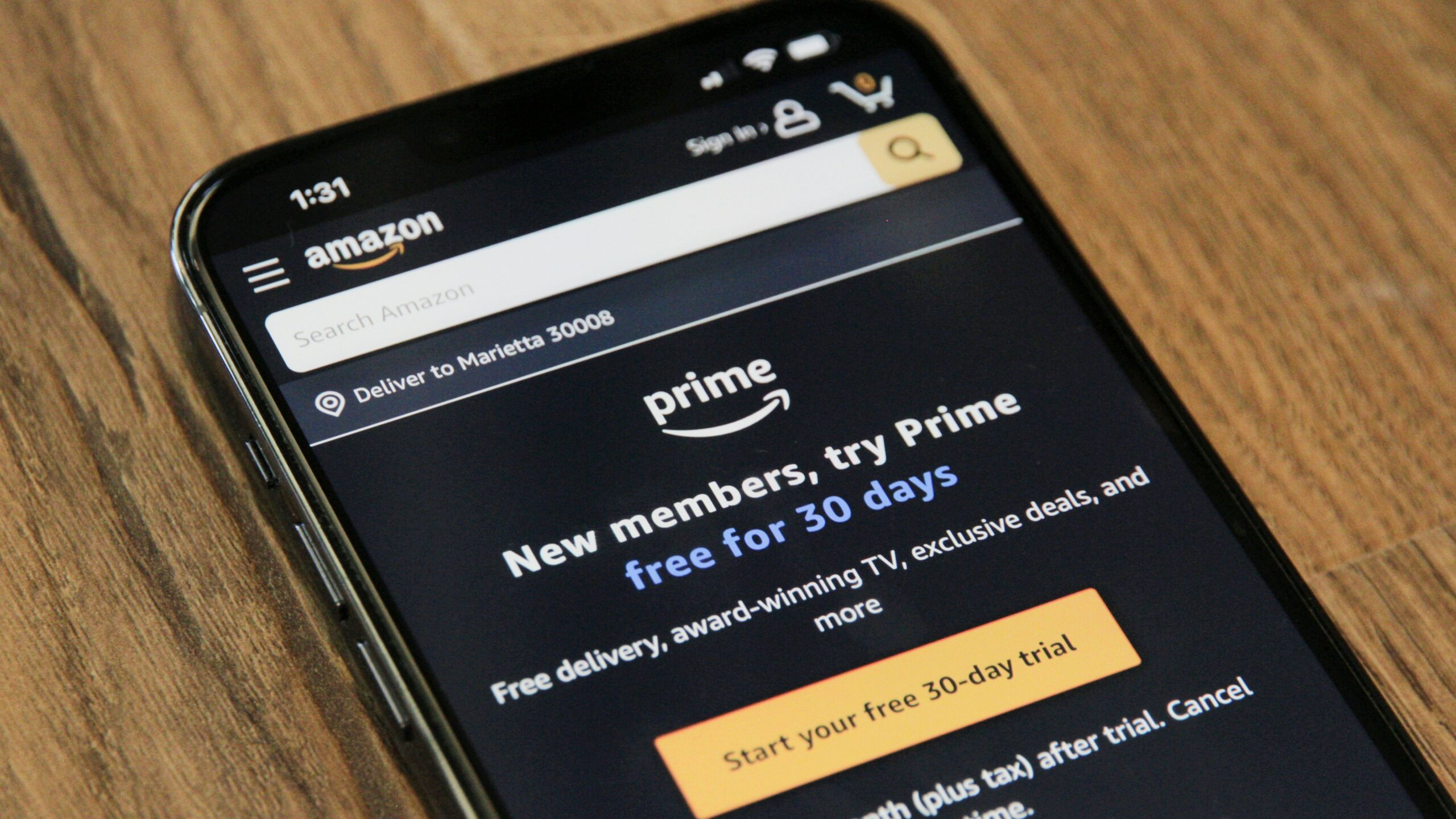
The settlement resolves allegations that Amazon enrolled customers in Prime subscriptions without informed consent and then made cancellation unnecessarily difficult. The case, formally styled FTC v. Amazon.com, Inc. under the Restore Online Shoppers’ Confidence Act, traces back to a 2023 FTC complaint. The agency accused Amazon of designing sign-up flows that obscured recurring charges and creating a cancellation process so convoluted that many users simply gave up before completing it.
For consumers who received an official notice, the deadline matters because the redress pool is finite. Once the claims period closes, the FTC and its settlement administrator will calculate individual payments based on the number of valid submissions and each person’s documented Prime charges during the covered period. Those who ignore or overlook the notice will almost certainly miss their opportunity to participate in that distribution.
Beyond the direct payouts, the deadline could have a ripple effect across the subscription economy. When consumers receive tangible refunds for deceptive enrollment tactics, they tend to scrutinize similar practices at other companies. Streaming platforms, meal-kit services, cloud storage providers, and digital fitness apps all rely on auto-renewal models that can blur the line between convenience and confusion. A wave of claims against Amazon could prompt newly aware subscribers to file complaints about cancellation barriers elsewhere, potentially driving a measurable uptick in FTC reports about non-Amazon subscription services in the months following the payout.
How $2.5 Billion Breaks Down in the Amazon Prime Case
The settlement’s structure is unusually transparent for an FTC enforcement action. According to the agency’s official announcement of the $2.5 billion agreement, $1.5 billion is designated for consumer redress, meaning direct payments to affected subscribers. The remaining $1 billion constitutes a civil penalty paid to the U.S. Treasury, intended to deter Amazon and other large platforms from repeating similar conduct.
The case itself is detailed on the FTC’s ROSCA case file, which links to the court-filed complaint and stipulated order. Those documents outline the specific enrollment and cancellation practices the agency found deceptive, including multi-step sign-up flows that emphasized benefits over costs and a cancellation pathway that allegedly buried the option to end Prime behind multiple screens and offers to stay enrolled.
Under the settlement, Amazon must maintain clearer disclosures during sign-up and provide a more straightforward way to cancel Prime. The public order describes these obligations at a high level, requiring “express informed consent” for recurring charges and a cancellation process that is at least as simple as enrollment. While the FTC does not publish screenshots or interface specifications, the terms signal that dark patterns-design choices that nudge users toward paid options or make quitting difficult-are squarely in regulators’ sights.
The FTC has also published consumer guidance warning that legitimate refund communications will arrive only through official channels. The agency will not ask for passwords, bank account logins, or payment to process a claim. Anyone who receives a suspicious message requesting such details is urged to ignore it and report it through the FTC’s fraud reporting portal. This warning matters because large settlements routinely attract scammers who impersonate government agencies or settlement administrators to steal personal data from people expecting payouts.
Gaps in the Record and What Prime Members Should Do Next
Several questions remain unanswered in the public record. The FTC has not disclosed the exact number of consumers eligible for refunds or provided an estimate of per-person payout amounts. Without those figures, individual claimants cannot predict how much they stand to receive from the $1.5 billion pool. The actual dollar amount per person will depend on how many valid claims are submitted before the deadline and the value of the contested charges attributed to each account.
Amazon’s public posture is also notably absent from the FTC’s case documents. The agency’s filings do not include direct statements from Amazon executives acknowledging the conduct described in the complaint. The settlement agreement itself does not require Amazon to admit wrongdoing, which is standard practice in federal consent orders but leaves a gap for consumers trying to understand what, if anything, the company has conceded beyond agreeing to pay and modify its practices.
Processing timelines add another layer of uncertainty. The FTC’s January 2026 communications confirm that refunds are already being delivered, but the agency has not published data on how many claims have been processed, how many remain pending, or how long the average payout takes to arrive. Consumers who filed early in the claims window may already have received checks or electronic payments, while those who file closer to the July 27 deadline will likely wait longer as the administrator works through the final batch of submissions.
For anyone who received a claim notice, the immediate step is straightforward: follow the instructions in that official communication and submit the claim before July 27. Claimants should confirm that the web address or phone number matches information listed on the FTC’s refunds page and avoid responding to any outreach that asks for bank account numbers, Social Security digits, gift cards, or upfront fees. The FTC’s site is the only authoritative source for instructions and status updates. After filing, consumers should keep a copy or screenshot of the confirmation and watch for follow-up correspondence from the designated settlement administrator, not from third parties that promise to speed up or increase the payment.
Consumers who believe they were affected but did not receive a notice can still consult the FTC’s public materials to see whether their situation fits the described conduct. In some cases, they may be able to contact the settlement administrator using information listed on the refunds page to verify eligibility. Even if they ultimately fall outside the defined class for this settlement, their experiences with confusing enrollment flows or obstructive cancellation processes can still be reported to the FTC as potential violations in other matters.
What This Means for Subscription Customers Going Forward
The broader signal from the Amazon Prime case is that regulators are willing to pursue large, complex platforms over design choices that blur consent. For subscribers, that means it is worth slowing down during sign-up, looking carefully for disclosures about recurring charges, and taking screenshots of key steps when agreeing to free trials or discounted introductory offers. It also means that if cancellation feels intentionally difficult-multiple pages of prompts, unclear buttons, or repeated attempts to steer you back into a paid plan-that experience may not simply be “how it is,” but a potential regulatory concern.
As the July 27 deadline approaches, the most concrete takeaway for eligible Prime members is practical: claim the refund that has already been set aside, safeguard personal information from impostors, and recognize that this settlement is part of a broader shift toward more transparent subscription practices. Whether or not the per-person payment turns out to be large, the case underscores that dark patterns around subscriptions carry real financial and legal consequences-and that consumers have a role in enforcing those norms by asserting their rights before the window closes.