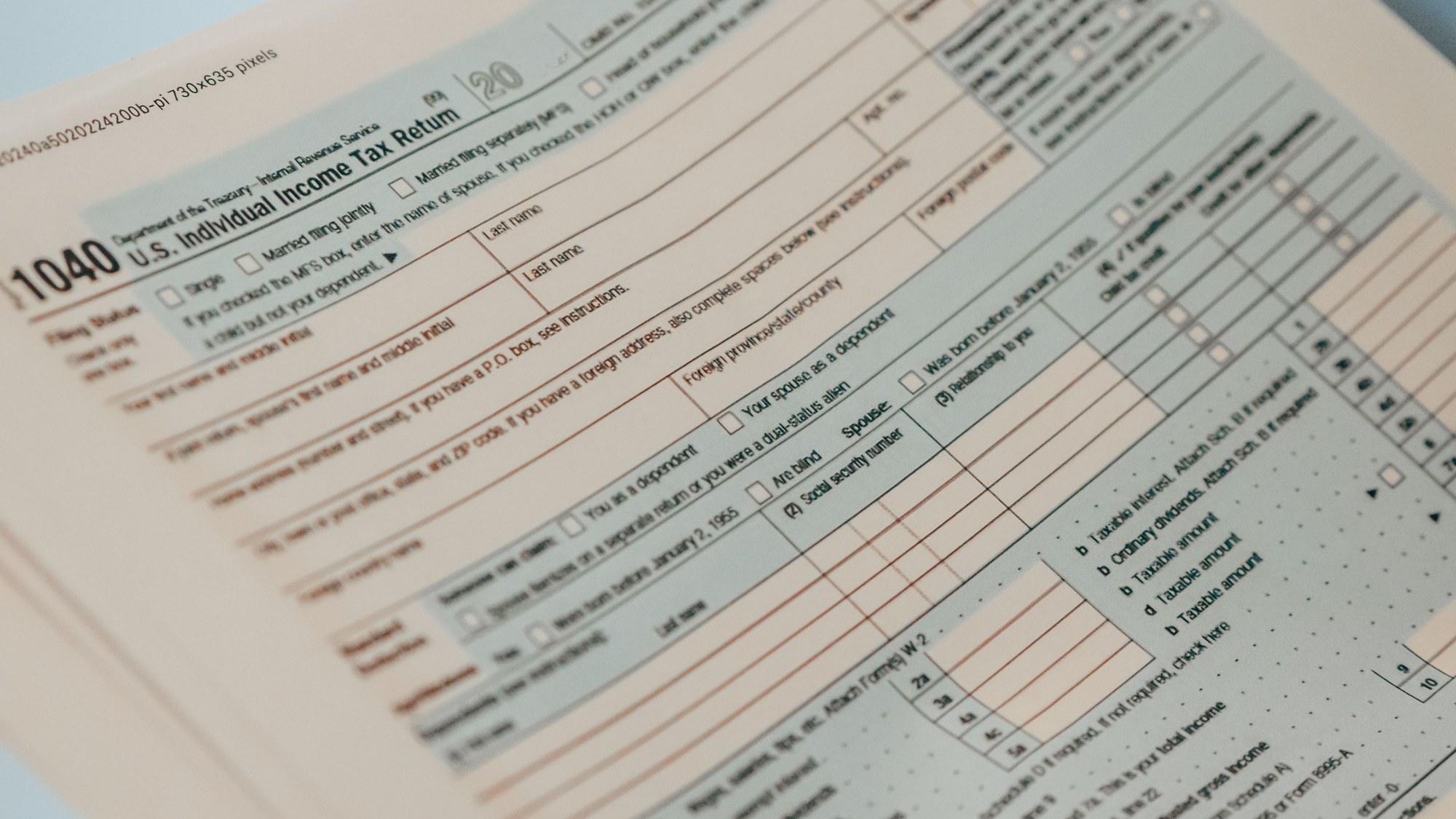
Property owners across the country can challenge their tax assessments by filing a single standardized form with a local review board, a process that costs nothing upfront and can lead to a lower tax bill. From Texas to New York City, state and county agencies publish downloadable applications designed to let homeowners start a formal protest without hiring an attorney or gathering stacks of documentation. With many jurisdictions issuing new assessment notices for the 2026 tax year, the window to act is open right now in several major markets.
Rising assessments and the single-form protest path
The gap between what a home is assessed at and what an owner believes it is worth drives thousands of annual appeals. What makes the process accessible is that many states have reduced the entry barrier to one form. In Texas, property owners can protest an appraised value by filing the standardized protest document with the local Appraisal Review Board; according to the state comptroller, the form asks for basic parcel information and the reason for the protest, and it can be submitted by mail or online in many counties.
California follows a similar model. The statewide Assessment Appeal Application, designated BOE-305-AH, is available through county clerks and is the required document for initiating a formal challenge, according to the state equalization board. The Board also prescribes property tax rules and instructional documents that local appeals boards must follow, giving the process a consistent structure across the state’s 58 counties even though each county runs its own hearings and calendars.
Fairfax County, Virginia, offers another clear example of the single-form approach. Its Board of Equalization requires a completed application for each parcel plus a written statement describing the alleged assessment error, and the county provides a downloadable appeal application that owners can submit electronically or by mail. New York City channels its appeals through the NYC Tax Commission, which publishes application forms and instructions for the current assessment cycle and sets hard filing deadlines based on property class. Illinois takes a slightly different approach but still starts with a written appeal to the county board of review, which the state treats as a prerequisite before any further challenge can proceed.
What a form-based appeal can and cannot do
Filing a protest form is straightforward, but homeowners should understand what they are actually disputing. In states like Texas, officials draw a clear distinction between the appraised value set by a local appraisal district and the tax rate set by local governing bodies. A successful protest lowers the appraised value, which in turn can reduce the tax bill, but state-level agencies generally have no authority to change local appraisals or tax rates. That means the outcome depends on local conditions: the strength of comparable sales data, the accuracy of the original appraisal, and whether the owner qualifies for exemptions that were not previously applied.
No publicly available primary data shows aggregate appeal success rates or average dollar reductions granted by appraisal boards nationwide. Individual jurisdictions may track hearing outcomes, but those figures are not consistently published in a way that allows cross-state comparison. Without that data, homeowners cannot easily benchmark their odds before filing or estimate the likely savings from a successful protest. What is clear from official guidance in multiple states is that the cost of filing is zero in every jurisdiction reviewed, and the time commitment for the initial submission is minimal, often limited to filling out one or two pages and attaching recent evidence such as sales listings or appraisal reports.
Gaps in the evidence and what to do first
The hypothesis that jurisdictions with simple, downloadable forms see higher per-parcel appeal volumes than those requiring multiple documents or in-person visits is plausible but unproven. No primary-source dataset compares appeal rates across states or counties based on form design, filing channel, or required documentation, and local agencies do not publish standardized participation statistics that would support such an analysis. The same evidence gap applies to questions about whether online portals materially increase filings compared with paper-only systems or whether clearer instructions change the mix of successful appeals.
For homeowners deciding what to do this year, the absence of national statistics does not change the basic calculus. The direct cost of filing a protest is typically zero, and the process starts with a single form in most major jurisdictions. The first practical step is to read the assessment notice carefully, note the filing deadline, and download the official protest or appeal application from the local assessor, appraisal district, or tax commission website. Owners should then gather recent sales data for comparable homes, photographs that document condition issues, and any prior appraisals that appear inconsistent with the new assessed value.
Because hearings are often brief and scheduled in large batches, concise documentation and a clear explanation of why the assessment is too high can matter more than volume. Homeowners who are uncomfortable presenting their case can authorize a representative, but in many counties the system is explicitly designed so that individuals can navigate it without professional help. While the broader impact of these form-based systems on equity and tax burdens remains under-studied, the rules on the books give individual property owners a low-cost, time-limited opportunity each year to ask local officials to take a second look at what their homes are worth.