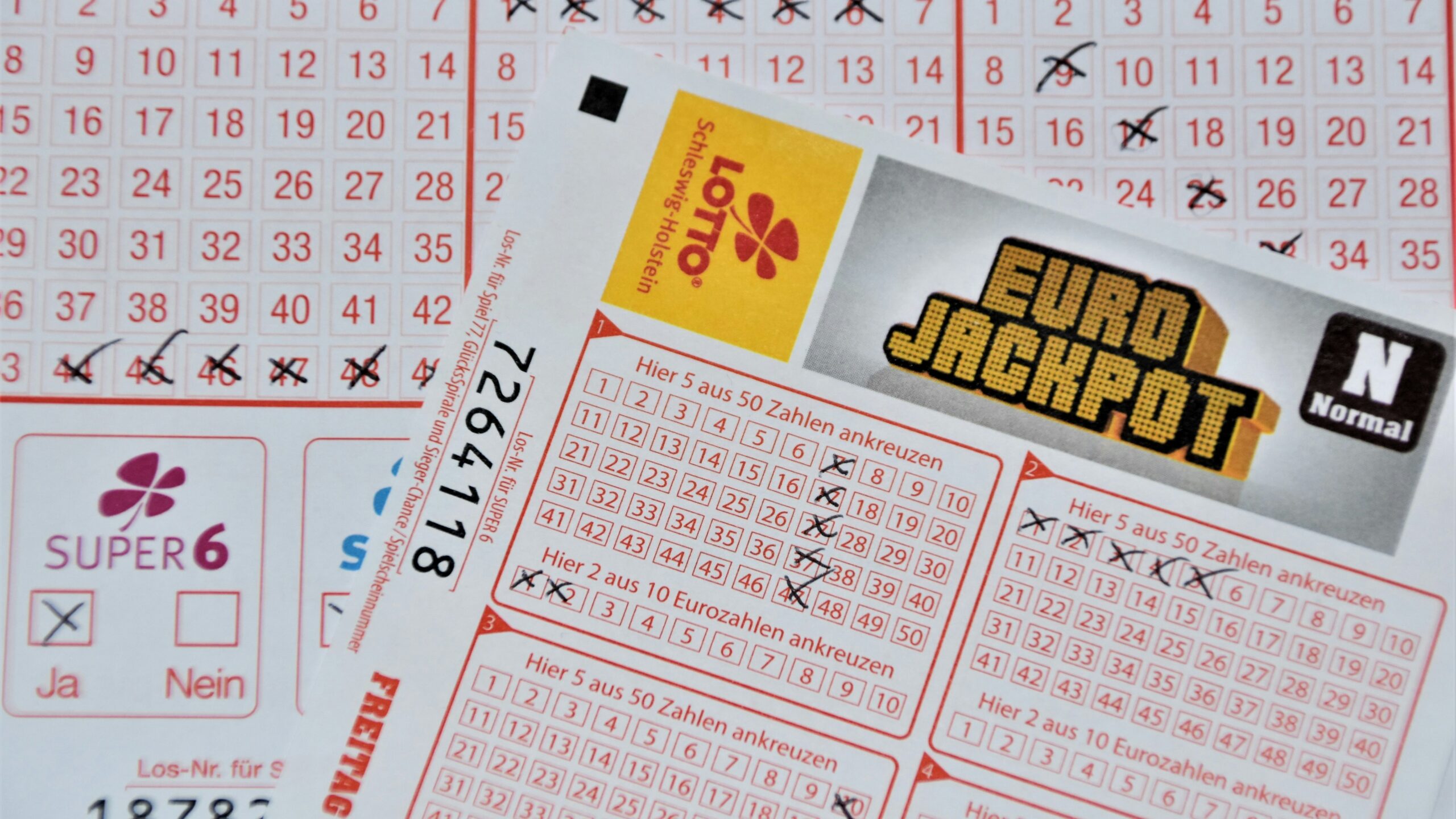
The call, letter, or email carries good news. A sweepstakes has been won, a lottery number has hit, or a prize is waiting to be claimed. Then comes the condition: before the winnings can be released, a payment is needed to cover taxes, fees, or shipping. That single request settles the matter regardless of how official the notice looks. Any prize or lottery win that asks the winner to pay taxes or fees upfront is a scam.
Why a Real Prize Never Requires a Payment to Claim It
The Federal Trade Commission’s guidance on prize scams states the rule without exception: a legitimate sweepstakes or lottery will never ask a winner to pay money to collect a prize. Real prizes are free. If taxes are owed on genuine winnings, they are handled through the tax system and paid to the government directly, never wired to a company or a “claims agent” as a precondition for releasing the money. So the moment a supposed prize comes attached to a fee, a processing charge, an insurance cost, or a tax payment collected up front, the notice is fraudulent by definition.
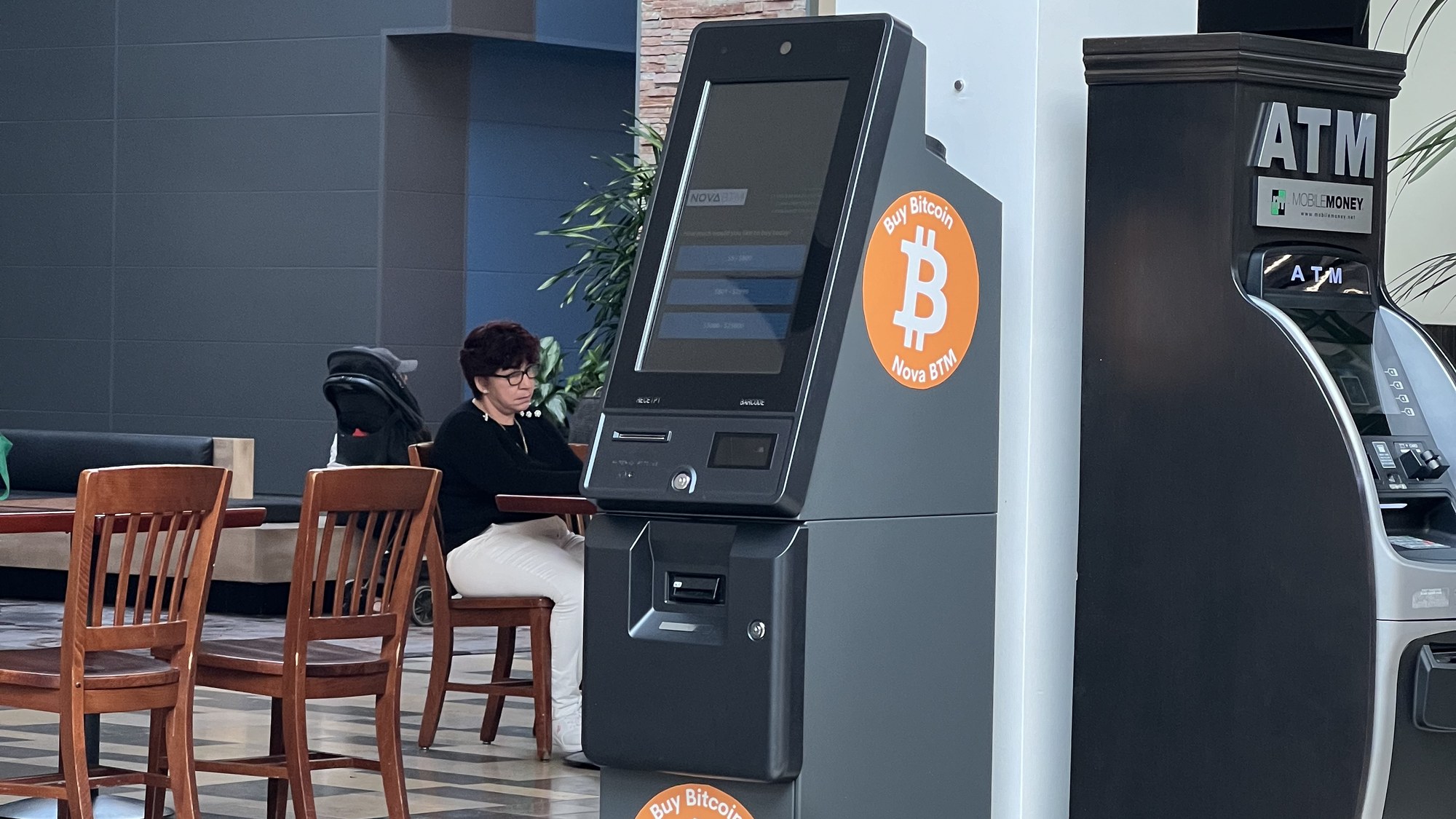
The payment methods scammers request reinforce the point. According to the FTC, these schemes typically ask for money through a wire transfer, a gift card, a payment app, or cryptocurrency, all channels chosen because they are fast and nearly impossible to reverse once the money is sent. A person who is told to buy gift cards and read the numbers over the phone to claim a jackpot is being robbed, not rewarded. Legitimate prize administrators do not route winners to a drugstore gift-card rack or a crypto kiosk; those instructions exist only because the money, once handed over that way, cannot be clawed back.
The math of a real prize also runs the opposite direction from the pitch. When taxes are due on genuine winnings, they are reported to and paid to the government through the normal tax process, and the amount is subtracted from what is owed at tax time, never collected in advance by the company awarding the prize. A promoter who insists on being paid taxes or fees directly, before releasing the winnings, has inverted how prizes and taxes actually work. Another quiet giveaway is entry itself: many targets are told they have won a contest, sweepstakes, or foreign lottery they never entered, and a prize cannot legitimately arrive from a drawing that was never entered in the first place.
Free retirement updates: Scam calls targeting retirees change every week. Our free Retirement Shield newsletter flags the ones going around and the one tell that stops each. Sign up free.
The Tactics That Make the Lie Convincing
Prize scams are built to overwhelm judgment with excitement and urgency. A caller may claim to represent a well-known sweepstakes company or a government agency, insist the win is real but time-sensitive, and warn that the prize will be forfeited if the fee is not paid immediately. Some send official-looking checks and tell the winner to deposit the check, then wire back a portion to cover fees. The check later bounces, but by then the wired money is gone and the victim is on the hook for the full amount.
Secrecy is another hallmark. Winners are often told not to discuss the prize with anyone until the paperwork is complete, an instruction designed to keep family members and bank tellers from raising the obvious questions. A genuine award has no reason to demand silence, upfront payment, or a rushed decision, and any of those signals is enough to end the conversation.
The Fake-Check Version, and Why It Costs the Victim Twice
One of the most damaging variants uses a real-looking check. The notice says the prize is confirmed, and a check arrives to “cover” the taxes or fees, with instructions to deposit it and then send back a portion by wire or gift card to pay the charges. The check looks legitimate, and a bank may make the funds available within a day or two. But the FTC warns that a deposited check can bounce weeks later, after it turns out to be counterfeit. By then the money wired back to the “prize company” is long gone, and the bank reclaims the full amount of the bad check from the account. The victim loses the money sent to the scammer and repays the bank for the phantom deposit, taking the hit twice on a prize that never existed.
Impersonation makes the setup harder to question. Callers routinely claim to represent a household-name sweepstakes brand or a federal agency, and some invent official-sounding outfits with names built to echo real ones. A genuine sweepstakes company does not phone to demand fees, and no government agency awards lottery winnings or collects a prize tax by gift card. Playing a foreign lottery by mail or phone is itself illegal under U.S. law, so a call announcing a win in an overseas drawing is not a windfall but a marker of a scam, whatever the accent or letterhead attached to it.
Why Retirees Are Singled Out
Older Americans are contacted with prize and lottery schemes at high rates, in part because scammers assume retirees may have savings, answer the phone more readily, and be less likely to have encountered the specific script before. The promise of a windfall can be especially appealing to someone stretching a fixed income, and the pressure to pay a modest fee to unlock a life-changing sum is engineered to feel like a small, reasonable step rather than the trap it is.
The defense is the same in every version. No legitimate prize requires a payment to release it, so the safest response to any such demand is to refuse, to hang up or delete the message, and to report the pitch. Complaints filed with the FTC through its fraud reporting site help build the record investigators use to shut these operations down and warn others.
The One Test That Never Fails
Prizes can be real, and people do win sweepstakes and lotteries. What never happens is a legitimate prize arriving with a bill attached. The FTC’s guidance reduces the entire category of fraud to a single test that holds up on any call or in any letter: if collecting the winnings requires paying money first, the win is not real, and the request for payment is the scam revealing itself.
This article was researched and drafted with AI assistance and reviewed against the linked primary sources.
More Financial Reading
- What really happens to your joint savings account when you die?
- Bank statements: how long to keep them and when to toss them