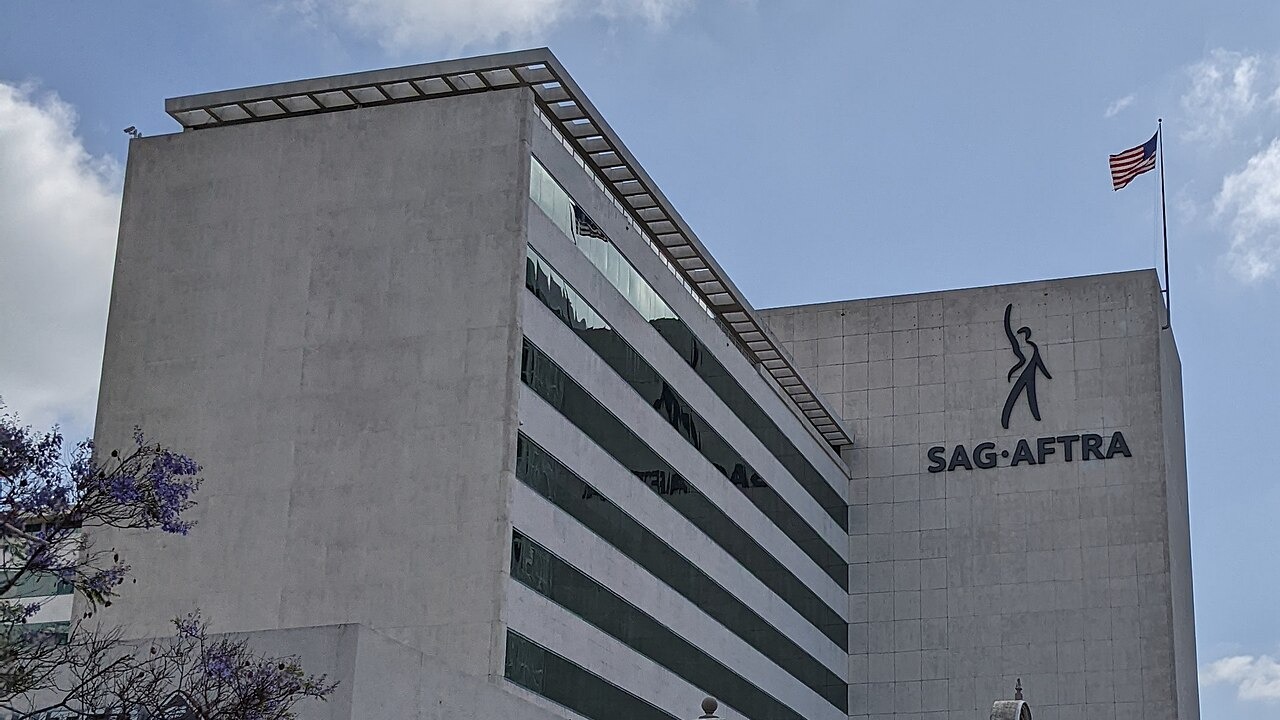
Members of the SAG-AFTRA Health Plan who had personal data exposed during a two-day breach in September 2024 now face a July deadline to file claims under a settlement offering up to $5,000 for documented losses. The breach, which occurred on September 17 and 18, 2024, triggered a formal notification to California’s attorney general and set in motion a claims process that requires affected participants to show proof of out-of-pocket costs tied to the incident. With summer schedules already pulling attention away from paperwork, the compressed timeline puts real pressure on union members to act quickly or forfeit their chance at reimbursement.
Why the July claims deadline creates urgency for affected members
The settlement’s structure rewards speed and documentation. Participants who can tie specific expenses, such as credit monitoring fees, identity-theft recovery services, replacement ID costs, or bank fees, directly to the September 2024 breach stand the best chance of receiving higher payouts. The up-to-$5,000 cap applies only to losses backed by receipts, statements, or other records. That means members who noticed suspicious activity soon after the breach and took immediate protective steps are better positioned than those who delayed monitoring their accounts.
A reasonable expectation is that the largest individual payouts will concentrate among members whose breach-related expenses fell within roughly 90 days of the incident, when fraudulent activity is most easily traced back to a specific compromise. Union households that already subscribed to credit monitoring services before the breach would have detected unauthorized activity faster, generating a clearer paper trail. Those who waited months to check their accounts may struggle to connect later expenses to the specific September dates, especially if they experienced multiple security incidents or changed financial institutions during that time.
The claims window closing in July 2026, nearly two years after the breach itself, gives late discoverers a final chance to seek reimbursement, but the evidentiary bar remains the same regardless of when they file. Claimants must still show that their documented losses are more likely than not linked to the September 17–18 exposure, rather than to unrelated scams or earlier data leaks. For many members, that will require pulling bank statements, email confirmations, and correspondence with credit bureaus to demonstrate a clear sequence of events.
Filing can be done online or by mail, though the exact portal details were distributed in notice letters sent to affected individuals. Members who did not receive a letter but believe their data was compromised should contact the plan administrator directly rather than assume they are excluded. In some data-breach settlements, people who moved, changed email addresses, or had outdated contact information on file were still able to participate once they proactively reached out and verified their identity. Given the July cutoff, that outreach should happen as soon as possible to avoid mailing delays or technical issues that could push a claim past the deadline.
California’s breach record and the two-day exposure window
The SAG-AFTRA Health Plan filed breach notification SB24-595543 with the California Department of Justice, Office of the Attorney General, documenting unauthorized access on September 17 and 18, 2024. That two-day window is narrow compared with many corporate breaches that span weeks or months before detection, which suggests the plan’s security team identified the intrusion relatively quickly and moved to contain it. A short exposure period can limit the volume of data taken, but it does not eliminate the risk of targeted misuse of whatever information was accessed.
The state’s breach-notification database, accessible through California’s Open Justice platform, serves as the public record confirming the incident and the dates involved. California law requires organizations to report breaches affecting state residents, and the filing creates an official anchor point for any legal proceedings or settlements that follow. The notification itself does not specify how many individuals were affected or what categories of personal information were accessed. Those missing details, which would shape the size of the settlement fund and the range of eligible claims, have not appeared in the publicly available state records and are instead communicated directly to impacted members through individual notices and settlement documents.
The September 2024 dates matter for claimants because they define the starting point for any chain of harm. A member who experienced identity theft in October 2024, coupled with fraudulent accounts opened using the same address and Social Security number on file with the health plan, has a stronger case for connecting that event to the breach than someone reporting problems six months later without intervening evidence. Settlement administrators typically look for a direct line between the exposure window and the claimed loss, weighing factors such as timing, the type of information exposed, and whether similar fraud patterns appeared among other victims.
At the same time, a tight two-day breach period can cut both ways for members. It makes the timeline of potential misuse easier to define, but it also invites closer scrutiny of claims arising long after the incident. Members who discover suspicious activity well into 2025 or 2026 may need to provide more extensive documentation-such as letters from creditors, police reports, or records of disputed charges-to persuade reviewers that the September 2024 compromise was the most likely source. With the July deadline approaching, assembling that documentation now, rather than waiting until the final weeks, could be the difference between a fully compensated claim and a missed opportunity for relief.