A two-pound package of steak now costs more than an hour of work at the federal minimum wage. Bureau of Labor Statistics data shows the national average price for all uncooked beef steaks hit $12.74 per pound in May 2026, the highest level recorded since the agency began tracking the series. Five years earlier, the same BLS series put the average at approximately $9.50 per pound, meaning steak prices have jumped more than 30 percent in half a decade. For context, the BLS Consumer Price Index for all food rose roughly 20 percent over the same five-year span, meaning beef has outpaced the broader grocery basket by a wide margin. Behind that surge is a supply problem decades in the making: the American cattle herd has shrunk to a size the country has not seen since the early 1960s, and the biological clock of cattle reproduction means relief is not coming soon.
For the roughly 130 million households in the United States, the impact is immediate and tangible. Steak, once a routine weekend purchase for middle-income families, is increasingly a luxury item, and the forces squeezing supply show no sign of easing before 2027 at the earliest.
Record Prices, Shrinking Herds
The BLS tracks steak prices through its Consumer Price Index average price series (APU0000FC3101), covering the U.S. city average for all uncooked beef steaks. The $12.74 reading is corroborated by the agency’s own regional retail food price tables, which list average prices for common grocery items. Two independent federal datasets pointing to the same number rules out a reporting glitch. This is a verified, all-time high.
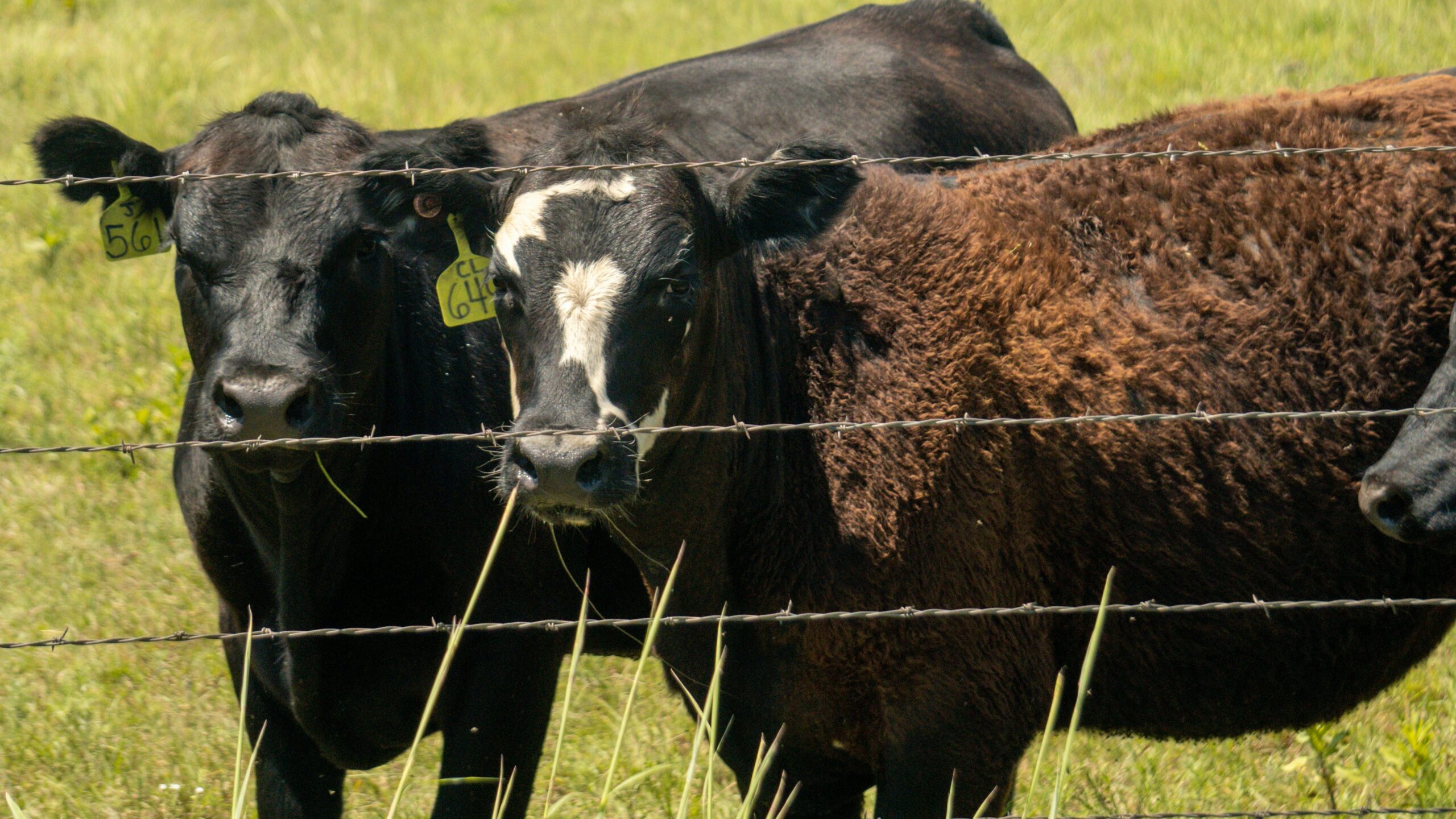
On the supply side, the picture is just as severe. The USDA’s National Agricultural Statistics Service published its semi-annual Cattle Inventory report on January 30, 2026, counting 86.2 million head of cattle and calves nationwide, with beef cows specifically at 27.6 million. That total herd is the smallest since the early 1960s, when the U.S. population stood at roughly 180 million. Today, about 340 million Americans are competing for the beef those animals produce. Fewer cattle, far more mouths.
The herd did not collapse in a single season. Years of persistent drought across the Southern Plains and parts of the West forced ranchers to liquidate breeding stock they could no longer afford to feed or water. Rebuilding is painfully slow. A cow carries one calf for nine months, and that calf needs another 18 months or more to reach market weight. Even if ranchers across the country began aggressively holding back heifers for breeding right now, meaningful increases in beef production would not materialize until 2028 or later.
The Spread Between Ranch and Register
Record cattle prices alone do not fully explain what shoppers are paying. The USDA’s Economic Research Service tracks meat price spreads at the farm, wholesale, and retail levels. Those figures show that the gap between what a rancher receives for a live animal and what a consumer pays for a packaged steak has widened considerably over the past several years.
Processing capacity is a major factor. The U.S. meatpacking sector is dominated by a handful of large firms, and when throughput tightens, whether because of labor shortages, plant maintenance, or simply fewer cattle arriving at the gate, per-unit processing costs rise. Layer on higher transportation fuel costs, cold-chain logistics expenses, and retail grocery margins, and the steak on the shelf absorbs markups at every stage of the supply chain.
The result is a disconnect that frustrates both ends of the beef business. Ranchers are receiving historically strong prices for live cattle, but consumers are paying even more at the register than those strong cattle prices alone would suggest. The middlemen and infrastructure between pasture and plate are adding their own inflationary weight.
No Cheap Escape in the Beef Case
Shoppers who have traded down from ribeyes to ground beef are finding less relief than they hoped. The BLS average price series for ground beef has tracked steadily upward alongside steak, reflecting the same underlying shortage: when the whole animal is scarce, every cut and every trim derived from it costs more. Premium blends and lean ground beef have pushed well above $6 per pound in recent BLS readings, narrowing the savings gap that once made hamburger a reliable fallback.
That squeeze is accelerating a shift already underway. USDA Economic Research Service data has shown per-capita poultry consumption climbing in recent years, and tight beef supplies are reinforcing the trend. Pork, which has its own supply dynamics but remains cheaper per pound than most beef cuts, is also picking up share. For some families, the calculus is simple: chicken thighs at $3 a pound stretch a grocery budget twice as far as steak at $12.74.
What the Federal Data Does Not Yet Show
For all the clarity the BLS and USDA provide on national prices and herd totals, significant gaps remain. The BLS average price data does not break out steak costs at the state or metro level beyond a broad national-versus-Midwest comparison. Consumers in high-cost coastal cities, where grocery markups tend to run well above the national average, have no official federal benchmark for how much more they are paying.
Exports are another underexamined pressure point. U.S. beef commands premium prices in Japan, South Korea, and other high-income Asian markets, and strong export demand means a meaningful share of domestic production leaves the country before it ever reaches an American grocery shelf. The USDA’s Foreign Agricultural Service tracks export volumes, but no single public report draws a clean line from export shipments to the retail price increases consumers experience at home. When the herd is this small, every container of beef headed overseas tightens the domestic supply that much further.
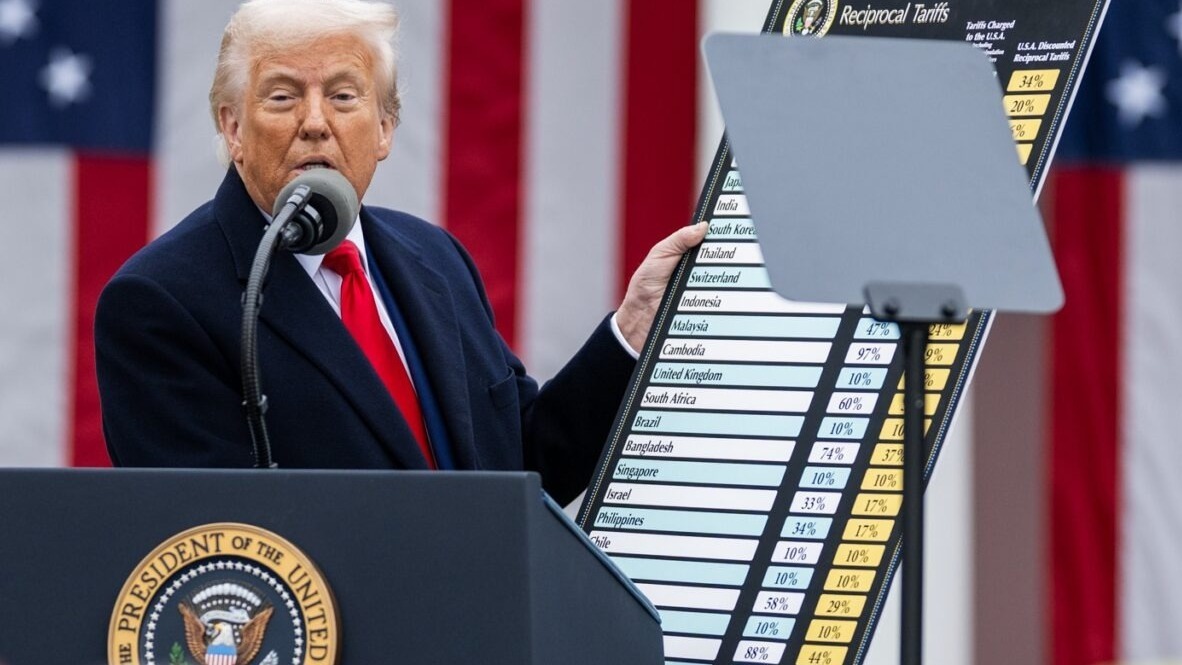
Trade policy adds yet another variable. As of mid-2026, tariff levels on beef imports and exports remain subject to ongoing negotiations, and any changes could redirect flows quickly, either by opening new foreign markets for U.S. producers or by inviting more imported beef from Australia, Brazil, or other exporters to partially offset domestic shortages. No publicly available federal analysis quantifies the net effect of current trade policy on the retail steak price, leaving this a genuine blind spot in the data.
The most pressing unknown, though, is timing. Neither the USDA’s Economic Research Service nor NASS has published an official projection for when the national herd will begin expanding again. Some agricultural lenders and industry analysts have pointed to improving pasture conditions in parts of the Southern Plains as a potential catalyst for herd rebuilding in late 2026 or 2027, but those forecasts depend on continued favorable rainfall, something no one can guarantee.
What $12.74 a Pound Forces Families to Decide
Translate the data into a grocery run and the pressure is concrete. Two pounds of steak for a weekend cookout now tops $25 before seasoning, sides, or anything else in the cart. Ribeye and New York strip carry per-pound prices well above the all-steak average; even budget-friendlier chuck and round steaks have climbed sharply from where they sat a year ago. For households already absorbing elevated costs for housing, insurance, and other staples, that price tag forces a real decision about what goes on the table and what gets cut.
The underlying facts are not in dispute. Steak has never been more expensive in the United States. The breeding herd that produces tomorrow’s beef is the smallest it has been since the Kennedy administration. The cost markups between ranch and retail shelf have grown wider, not narrower. And the timeline for any meaningful supply recovery depends on weather, economics, and bovine biology aligning in ways no government report has yet promised. At $12.74 a pound, the meat counter is asking American families a question that used to be easy: can you still afford beef?