Federal prosecutors have charged the CEO, CFO, and COO of Tricolor Auto in connection with what authorities describe as a billion-dollar collapse built on falsified auto-loan data and double-pledged collateral. The fallout is hitting some of the largest names in banking. Barclays PLC disclosed credit impairments tied to Tricolor in its 2025 annual report, and Fifth Third Bancorp filed a regulatory notice estimating $170 million to $200 million in losses from alleged external fraud at a single commercial borrower. JPMorgan has also been named among exposed lenders, though its specific write-down figures have not yet appeared in public filings.
How Tricolor’s alleged fraud scheme rippled into bank balance sheets
The core allegation is straightforward: Tricolor Auto executives allegedly pledged the same vehicle loans as collateral to multiple warehouse lenders at the same time, while feeding those lenders manipulated performance data. The FDIC investigators confirmed that the charges center on double-pledging and falsification of auto-loan records. Warehouse lending depends on lenders trusting that the loans backing their credit lines are real, performing, and not already committed elsewhere. When that trust breaks down, banks holding those lines face sudden, concentrated losses.
Fifth Third Bancorp quantified the damage first. In a Form 8-K filed with the SEC, the Cincinnati-based bank disclosed an estimated $170 million to $200 million impairment tied to alleged external fraudulent activity at a commercial borrower. The filing identified the exposure as an asset-backed finance loan with an approximately $200 million balance. That single line item represented a material hit for a regional bank, and it arrived before the full scope of Tricolor’s alleged misconduct became public through the criminal charges.
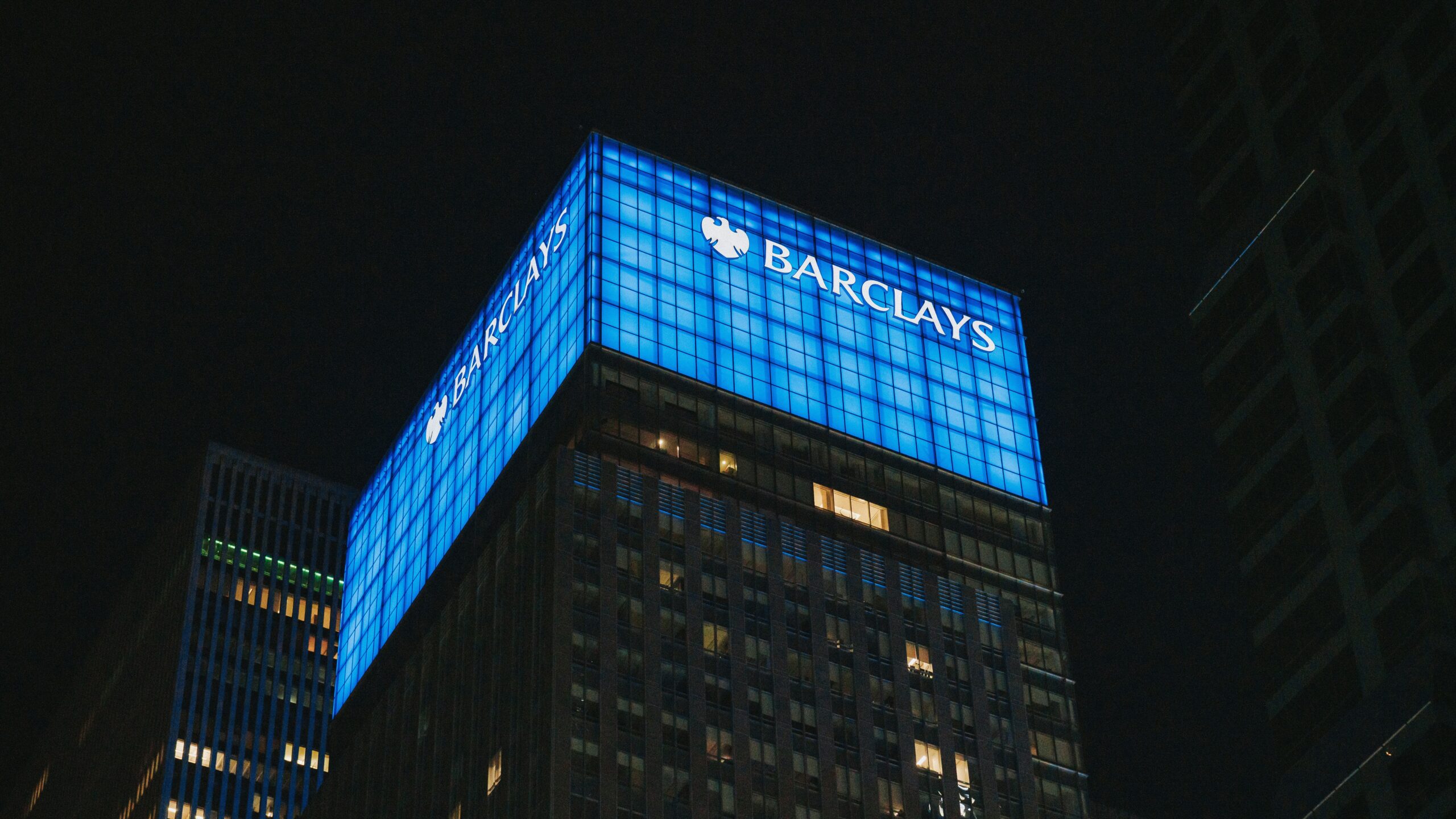
Barclays disclosed its own exposure through a different channel. The British bank’s 2025 annual report on Form 20-F, filed with the SEC, included credit impairment details within its warehouse lending portfolio and noted that some of those impairments related to a U.S. auto lender. In that filing, Barclays described recognizing losses on certain asset-backed facilities during the reporting period, confirming that the Tricolor relationship had moved from a routine credit to a problem exposure. JPMorgan has been identified in coverage as carrying exposure to the same borrower, yet no SEC filing or earnings transcript has surfaced with a specific impairment range for that institution, leaving investors to infer the scale of any losses from contextual comments rather than hard numbers.
Double-pledged collateral and the limits of bank due diligence
The criminal case filed by the U.S. Attorney’s Office for the Southern District of New York lays out a scheme in which Tricolor’s top three executives allegedly manipulated loan-level data before transmitting it to their funding partners. According to the charging documents, they are accused of inflating performance metrics, concealing delinquencies, and reusing the same loans as collateral across multiple warehouse lines. By doing so, the company could draw more credit against a given pool of auto loans than the underlying assets justified, effectively creating hidden leverage that remained off the banks’ radar until the scheme began to unravel.
Federal prosecutors allege that Tricolor’s leadership used doctored reports and internal systems to disguise the overlap in collateral. The U.S. Attorney’s office describes a pattern in which the same vehicle loans appeared in multiple borrowing bases, even as lenders were assured they held first-priority claims. Because warehouse facilities typically rely on borrower-provided data feeds rather than direct, loan-by-loan audits, the banks’ normal monitoring processes were poorly suited to catch this type of misrepresentation in real time.
The alleged conduct exposes a structural vulnerability in asset-backed finance. Warehouse lines are designed to be flexible and fast, supporting originators that constantly buy and sell loans. That speed depends on a high degree of trust in the borrower’s internal controls and reporting accuracy. In the Tricolor case, prosecutors say that trust was exploited at the highest levels of management, leaving frontline risk teams at the banks with reconciliations that appeared internally consistent but were fundamentally untrue.
For lenders, the episode raises difficult questions about how far due diligence can reasonably go. More intrusive verification-such as cross-checking vehicle identification numbers across counterparties or requiring third-party surveillance-could reduce the risk of double-pledging, but it would also slow funding and add costs that might make some warehouse relationships uneconomic. Banks must now weigh whether the incremental safety is worth the friction, particularly in specialized markets like subprime auto finance where margins are already tight.
What comes next for banks and regulators
The criminal case against Tricolor’s executives is still in its early stages, and the defendants are presumed innocent unless and until proven guilty. Nonetheless, the alleged fraud has already forced banks to recognize hundreds of millions of dollars in impairments and to explain to investors how a single borrower could create such concentrated damage. Analysts are likely to press management teams on whether other warehouse borrowers could pose similar risks and what new controls are being introduced to prevent a repeat.
Regulators, too, may respond with guidance or examinations focused on collateral verification and data integrity in asset-backed facilities. Even without new rules, the Tricolor collapse is likely to become a reference case in supervisory discussions about counterparty risk, model validation, and the dangers of relying too heavily on borrower-provided information. For now, the banks involved are absorbing the immediate financial hit, while the broader industry confronts a more uncomfortable question: how to preserve the efficiency of warehouse lending without leaving the door open to the next billion-dollar fraud.