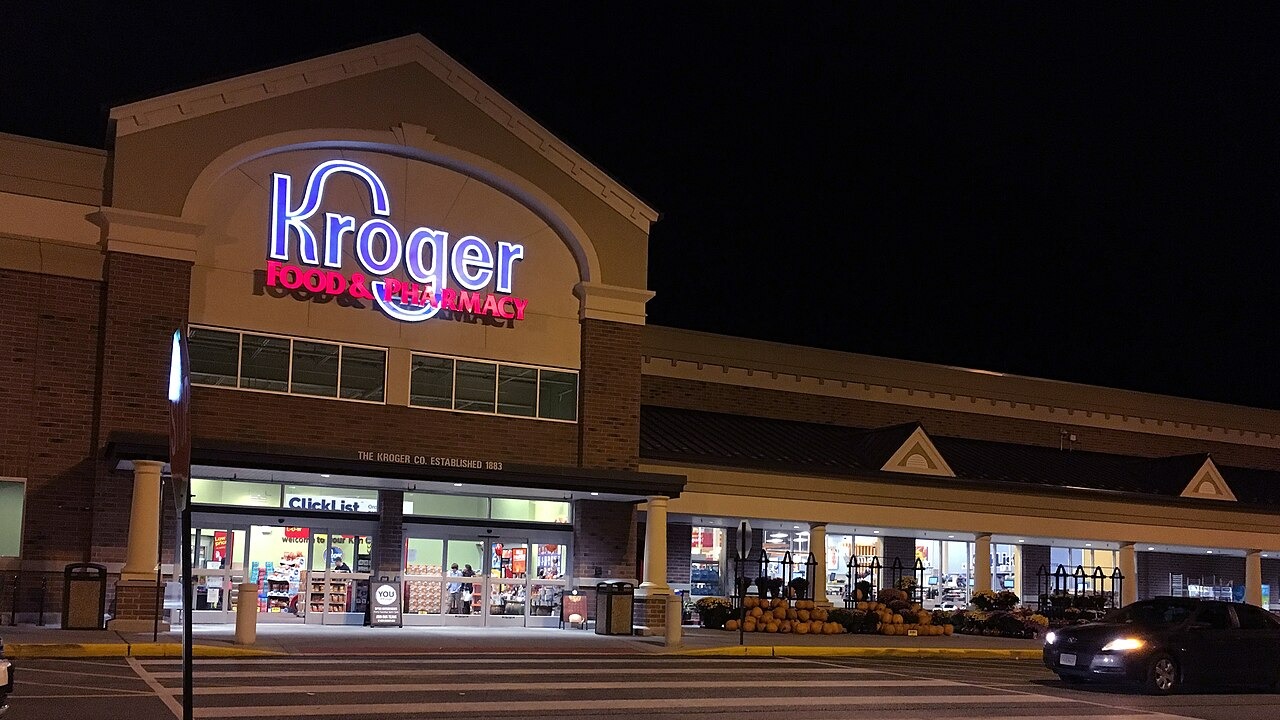
Kroger plans to shut down roughly 60 supermarkets over the next 18 months, a move that will cost the company $100 million in impairment and closure charges. The closures target the grocery chain’s weakest-performing locations, and the company has not yet identified which stores will close. Interim CEO Ronald Sargent said the strategy is designed to redirect shoppers to nearby Kroger stores and lift overall profitability.
Why 60 store closures hit Kroger’s bottom line right now
The financial weight of this decision landed in Kroger’s most recent quarterly filing. The company recorded store-closure costs of $100 million, with $77 million of that total remaining after tax adjustments. Those charges cover asset impairment, lease obligations, and other exit-related expenses tied to the approximately 60 locations slated for closure. The 18-month timeline means the process will stretch well into 2026, spreading both the operational disruption and the financial impact across multiple quarters.
Kroger’s bet is straightforward: closing money-losing stores frees up capital and pushes customers into higher-performing locations nearby. Interim CEO Ronald Sargent framed the closures as a way to shift sales to other stores and improve profitability, according to an Associated Press report. If that customer migration happens as planned, the remaining store base should show stronger same-store sales growth once the weakest locations are removed from the denominator. Whether that growth exceeds the corporate average by a meaningful margin will depend on how many displaced shoppers actually switch to another Kroger rather than a competitor. Weekly transaction data from loyalty cards will be the earliest signal, but Kroger has not disclosed any internal projections on capture rates.
In the near term, the accounting hit is unavoidable. The impairment charges recognize that certain store assets-such as fixtures, equipment, and leasehold improvements-will no longer generate enough cash flow to justify their book value. At the same time, Kroger must accrue for remaining lease payments and other contractual obligations at locations it intends to exit. While these are non-cash charges today, they reflect very real future cash outflows and the loss of revenue streams from shuttered stores.
Investors will be watching how quickly the closures translate into cleaner financials. Once the affected stores are off the books, Kroger should see lower ongoing depreciation, maintenance, and labor costs, which could help margins. However, if a significant share of displaced shoppers migrate to rival grocers or discount chains, the company could end up with a smaller revenue base and less operating leverage than anticipated. That risk is particularly acute in markets where Kroger faces dense competition or where the closing store is not conveniently replaced by another location.
What Kroger’s 10-Q filing and leadership reveal about the cuts
The primary documentary basis for the closures is Kroger’s Form 10-Q for the quarter ended May 24, 2025. That filing disclosed the planned closing of approximately 60 stores and the associated $100 million charge in a single line item. The $77 million after-tax figure gives investors a clearer picture of the net earnings drag, but the filing does not break out costs by individual store, region, or banner. Kroger operates under multiple brand names across the country, and the lack of store-level detail leaves employees, local officials, and shoppers without a clear timeline for their specific locations.
Sargent’s public comments add context but not specifics. His statement that the closures would shift sales and improve profitability is the only on-the-record explanation from Kroger leadership about the strategic rationale. The company did not immediately identify which stores would close, a gap that has left communities in Kroger markets uncertain about whether their local store is on the list. That silence is typical for large retail chains announcing portfolio reviews, but it creates real anxiety for workers who may face layoffs or transfers and for neighborhoods that could lose their closest grocery option.
The closures follow the collapse of Kroger’s proposed merger with Albertsons, which the Federal Trade Commission blocked. Without the scale gains that deal would have delivered, Kroger is turning inward, trimming its weakest outlets and trying to boost returns from the stores it already runs. Store rationalization is a common post-merger-failure tactic in retail: by pruning underperforming locations, companies aim to protect margins, conserve capital for higher-return investments, and signal to Wall Street that they still have levers to pull on profitability.
For communities, however, the strategy looks less clinical. In areas where Kroger is a primary full-line grocer, a closure can create or deepen food-access challenges, particularly for residents without cars or reliable public transportation. Local officials may push Kroger to sell or sublease vacated sites quickly to another grocer, but not every market can support a replacement. Meanwhile, workers at affected stores face uncertainty over whether they will be offered positions at nearby locations or receive severance instead.
Over the next 18 months, Kroger will have to balance those local impacts with investor expectations. The company will be pressed to show that the closures are not just a one-time accounting maneuver but part of a broader plan to sharpen its store portfolio, invest in its strongest markets, and compete more effectively on price and service. How clearly Kroger communicates that plan-and how transparently it handles the rollout of specific store lists-will shape both its financial results and its standing with the communities it serves.