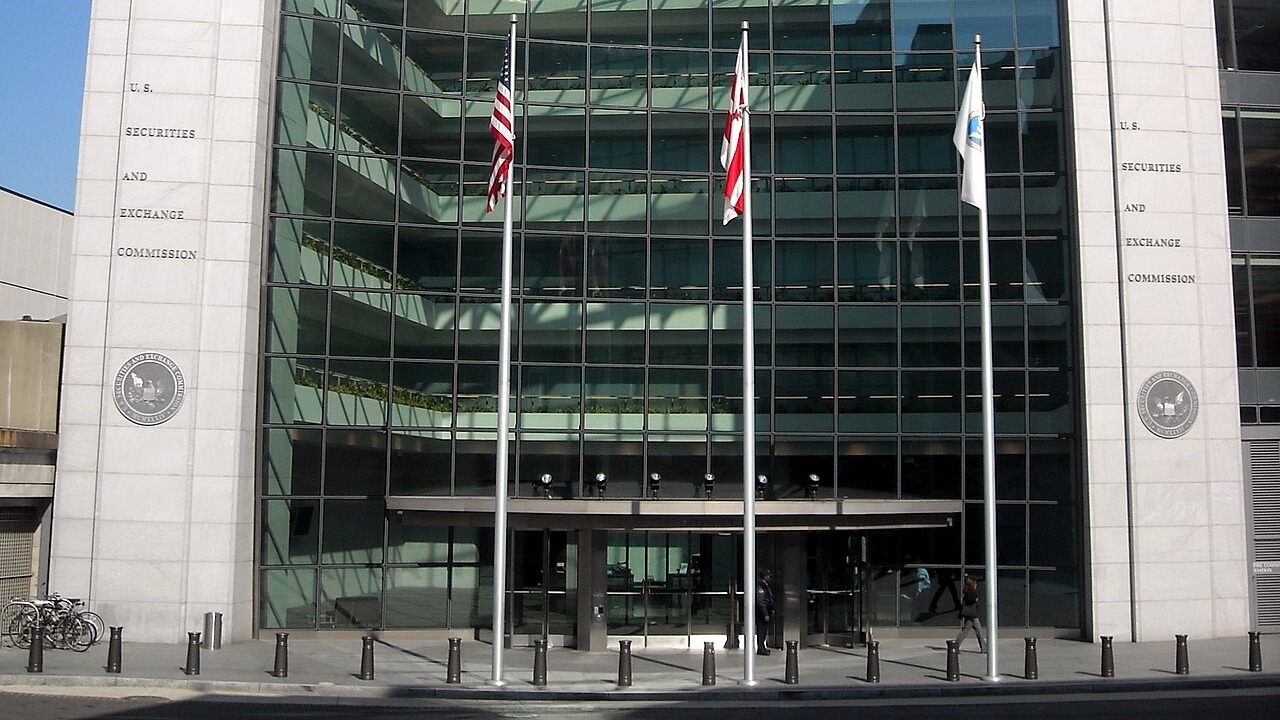
Anyone who spots securities fraud and reports it to the U.S. Securities and Exchange Commission stands to collect between 10% and 30% of the money the agency recovers, provided sanctions in the case exceed $1 million. That financial incentive, written into federal law more than a decade ago, turns employees, investors, and analysts into potential enforcement partners with a direct stake in the outcome. The payments do not come from taxpayer funds. They are drawn from the Investor Protection Fund, which is financed entirely by sanctions paid by securities law violators.
How the SEC’s 10-to-30-Percent Payout Works
Section 922 of the Dodd-Frank Wall Street Reform and Consumer Protection Act created the whistleblower program, codified at 15 U.S.C. Section 78u-6. The SEC finalized the implementing rule on May 25, 2011, setting up the mechanics for receiving tips, evaluating them, and distributing awards. Eligible whistleblowers can receive 10% to 30% of monetary sanctions collected in both SEC enforcement actions and certain related actions brought by other agencies, according to the SEC program. The threshold is clear: if total sanctions ordered in a covered action do not exceed $1 million, no award is available.
Eligibility depends on several conditions spelled out in the SEC’s own plain-language guidance. The information must be voluntary, meaning the tipster was not already under a legal obligation to report. It must be original, based on the whistleblower’s own independent knowledge or analysis rather than publicly available data. And it must lead to a successful enforcement action, which means the SEC actually collects money. False statements disqualify a submission entirely, as the program FAQ makes explicit.
The law is agnostic about a whistleblower’s role or seniority. Current and former employees, outside consultants, industry analysts, and even harmed investors can qualify if they meet the statutory criteria. At the same time, the SEC can reduce or deny an award if the whistleblower planned, directed, or meaningfully benefited from the misconduct, or if they unreasonably delayed reporting. The agency also weighs the level of cooperation and the significance of the information when deciding whether to award closer to 10% or nearer to 30% of collected sanctions.
Confidentiality is another core feature. The SEC does not publicly reveal whistleblower identities, and in certain cases allows tips to be filed anonymously through an attorney. According to the agency’s guidance, only a small group of SEC staff can access identifying details, and those details are generally shielded from disclosure under federal law. That structure is intended to encourage reporting even in situations where retaliation is a realistic fear.
Covered Action Notices and the Award Pipeline
Once the SEC wins a case with sanctions above the $1 million line, it posts a Notice of Covered Action. These notices, published on the SEC’s website, list every enforcement result that has crossed the monetary threshold and is therefore potentially eligible for a whistleblower award claim. A tipster who provided original information leading to that specific case can then apply for the payout within the designated window, typically 90 days from the notice date.
The hypothesis that whistleblowers who reference a specific Covered Action notice number in their tip submission are more likely to receive an award is worth examining, but the available evidence does not confirm or deny it. The SEC publishes notices after enforcement actions conclude, so a tipster filing information before the case resolves would not yet have a notice number to cite. The notice number becomes relevant only at the award-claim stage, when a whistleblower formally applies for a percentage of the collected sanctions. No public data from the SEC breaks down award rates by whether tipsters later referenced notice numbers versus those who did not.
Instead, the SEC focuses on whether the information significantly contributed to the successful action. In practice, that means enforcement staff assess how the tip shaped investigative steps, corroborated other evidence, or helped halt an ongoing scheme. Multiple whistleblowers can share in an award if each provided useful, original information that advanced the same case. The agency then allocates percentages among them based on factors like timeliness and cooperation.
The Investor Protection Fund and Program Scale
The Investor Protection Fund, which finances all payouts, is itself replenished by the penalties and disgorgement that violators pay. The SEC confirmed this structure in a 2023 announcement of a record award, explaining that whistleblower payments are drawn from the fund rather than from harmed investors or general revenue, as described in the agency’s 2023-89 release. That design means the program can scale with enforcement activity: larger or more frequent sanctions increase the resources available for future awards.
Over time, the SEC has emphasized that the program is meant to complement, not replace, traditional compliance channels. Internal reporting can still be rewarded, and in some circumstances, employees who first report concerns inside their company and then come to the SEC within a specified period may receive credit for the earlier internal disclosure. The agency’s rules are structured to encourage prompt escalation when serious securities law violations appear likely.
For would-be whistleblowers, the practical roadmap is straightforward but exacting. A detailed, well-documented tip submitted through the SEC’s formal intake system, meeting the criteria of being voluntary, original, and materially useful, is the gateway. From there, any potential award depends entirely on whether the SEC brings a successful enforcement action, collects more than $1 million in sanctions, and later determines that the whistleblower’s contribution merits a share of the recovery. The promise of 10% to 30% is powerful, but it is tightly bound to statutory conditions and the realities of securities enforcement.