Millions of federal student loan borrowers who parked their debt in the SAVE plan spent more than a year in a court-ordered holding pattern, making no payments while the program was frozen by litigation. That pause is now ending on a fixed schedule, and the government has attached a countdown to it. Once a borrower receives official notice, the clock runs roughly 90 days to pick a new repayment plan — and letting it expire hands the decision to the Education Department, which will move the account into a plan that often costs more each month.
How the SAVE freeze turned into a deadline
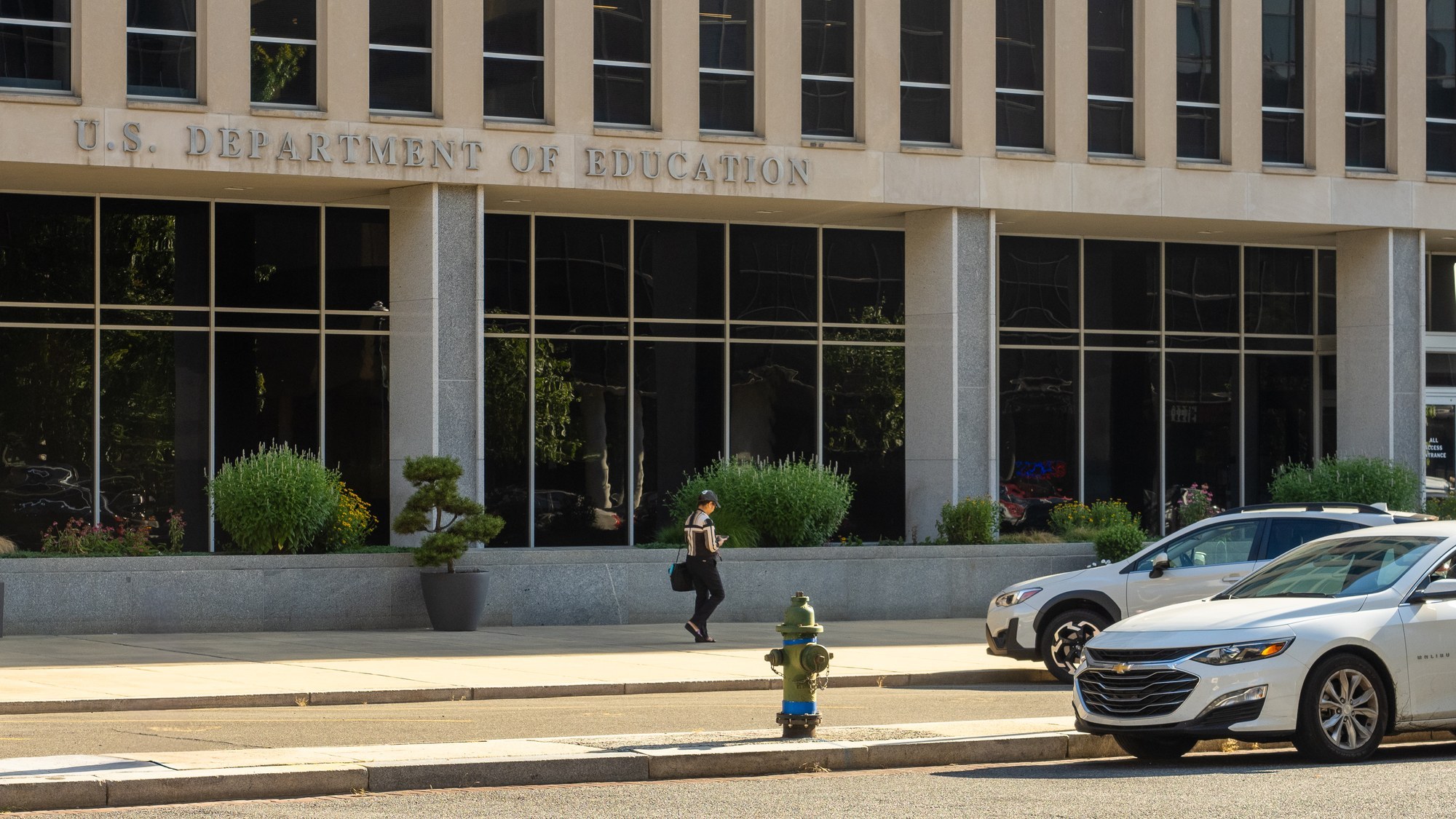
The Saving on a Valuable Education plan was pitched as the most generous income-driven option ever offered, but it was blocked by a federal appeals court and never fully took effect. Borrowers enrolled in it were placed in a general forbearance while the case played out, meaning bills stopped even as the program itself was being dismantled. The government has since confirmed the plan is going away for good rather than returning, and the wind-down instructions are posted on the Education Department’s own SAVE court actions page.
The forbearance came with a costly wrinkle that many borrowers overlooked. Interest resumed building on SAVE balances well before the payment pause ended, so accounts that looked dormant were quietly growing the whole time. That makes the coming transition less a fresh start than an overdue reckoning, because the balance a borrower carries back into active repayment is larger than the one they carried into the freeze.
There was a second hidden cost beyond the interest. Months spent in the SAVE forbearance generally did not count toward the payment tally that leads to loan cancellation under an income-driven plan or Public Service Loan Forgiveness, so borrowers chasing those milestones effectively lost ground while the litigation dragged on. That is part of why some are moving sooner rather than waiting, since only time spent in a qualifying repayment plan pushes them toward forgiveness.
Free retirement updates: A quiet rule change can shrink a Social Security or Medicare check, and no one warns retirees. The free Retirement Shield newsletter catches these early and explains what to do. Get it free.
What the 90-day notice actually requires
Loan servicers began mailing and emailing transition notices on July 1, 2026, and they are going out in waves rather than all at once, with batches continuing through the end of the year. Each notice starts a personal window of about 90 days for that borrower to enroll in a different repayment plan. Because the letters are staggered, two people with nearly identical loans can face different deadlines depending on when their servicer’s notice arrives, and the SAVE forbearance itself is set to end by September 30, 2026.
The stakes sit in what happens to anyone who does nothing. A borrower who does not actively choose a new plan is defaulted into the Standard Repayment Plan, which spreads the balance over a fixed term and frequently produces a higher monthly bill than an income-driven plan would. For a household on a tight budget, the difference between an income-based payment and a standard one can be the difference between an affordable bill and a missed one, which is why letting the notice lapse is the expensive option.
Why older borrowers carry extra exposure
Student debt is often framed as a young person’s burden, but a growing share of it sits with people at or near retirement, including parents and grandparents who took Parent PLUS loans to put children through school. For those borrowers, a jump to a costlier standard payment lands directly on a fixed income, and the federal government retains collection tools that private lenders do not have. Defaulted federal loans can eventually trigger offsets against tax refunds and, in some cases, a portion of Social Security benefits, making an ignored notice far more than a paperwork problem.
The safest response is also the simplest: confirm that the servicer on file has a current address, email, and phone number so the 90-day notice actually arrives, then treat the letter as time-sensitive the moment it does. Borrowers weighing their options can line up an alternative in advance by reviewing the government’s roster of income-driven repayment plans, so the choice is ready rather than rushed when the notice lands.
Among the remaining choices, the Income-Based Repayment plan stands out because it was written into law by Congress rather than created through regulation, which makes it far more durable against the kind of legal challenge that sank SAVE. Borrowers who qualify can cap payments at a set share of discretionary income and keep a path to eventual forgiveness, but enrollment is not automatic. It requires an application and updated income documentation — exactly the paperwork the 90-day notice is now prompting people to gather, and exactly what a borrower who does nothing forfeits by defaulting into the standard schedule.
The number that decides the monthly bill
Everything in this transition turns on a single figure — the monthly payment a borrower ends up with — and that figure is set by which plan the account lands in when the 90 days expire. A deliberate choice keeps the payment tied to income for those who qualify; silence forfeits that link and installs the standard schedule by default. The Education Department’s court-actions page remains the authoritative place to check current status, plan options, and the enrollment steps, and it is the reference point every borrower should use before the personal deadline on their notice runs out.
This article was produced with the assistance of artificial intelligence and reviewed by The Financial Wire editorial team.
More Financial Reading
- Adding someone to your bank account: tax traps and smart moves
- The ideal retirement withdrawal rate so your savings actually last